When I was running tests in the Best Buy corporate lab, battery life test methodology was one of the first places brands tried to get slippery. A press release would brag about all-day battery, then the fine print would reveal a tiny video loop at low brightness with radios turned off. That is not how people live. A real day means Wi-Fi, messages, email, streaming, camera use, a little idle time, and sometimes a bad signal on the road. I test devices the way people actually use them because spec sheets are free. Truth takes a few weeks.
Why battery life test methodology beats marketing claims
The biggest problem with battery claims is that one number hides a lot of variables. Screen brightness changes everything. So does refresh rate, speaker volume, wireless signal strength, and the kind of apps running in the background. A phone with a large battery can still feel weak if the display is thirsty or the chip is inefficient. A smaller battery can surprise you if the software is tuned well. That is why a simple milliamp-hours number, which is basically the fuel-tank size on paper, never tells the full story.
I also do not trust a test that only proves a device can sit still. A phone that survives a dark video loop is not automatically a good travel phone, work phone, or kid-hand-me-down phone. What matters is whether it can handle the same mess most of us put it through: a burst of social media, a few photos, a podcast, some texting, and an hour or two away from a charger. If a battery only looks good in a lab corner case, I call that out.
The bench setup behind battery life test methodology
My setup is boring on purpose. I use the same charger, the same cable, the same room, and the same starting point every time. For phones and tablets, I set the screen to a fixed brightness level that I can repeat from one test to the next. I measure that with a light meter so I am not guessing based on a slider that means something different on every panel. I turn off auto-brightness because it changes mid-run and muddies the result.
For mixed-use testing, I lean on a repeatable loop of tasks. I stream video over Wi-Fi, browse a news site, check email, send a few messages, open the camera, and then let the device sit for short stretches so standby drain shows up too. For earbuds, I keep the playlist, volume, and codec consistent. For watches, I leave notifications on and include sleep tracking or a workout, because that is how owners actually wear them. I also log charge time with a USB power meter, which is just an inline meter between the wall charger and the cable.

A quick example from my own testing
This is where the numbers stop being theoretical. I have seen two phones with similar battery sizes finish a mixed-use day very differently. One made it through dinner with comfort to spare. The other needed a charger by late afternoon, even though both looked competitive on paper. The difference usually comes down to efficiency, software, and display behavior, not just battery capacity. That is why I never judge a device by the size of the battery alone.
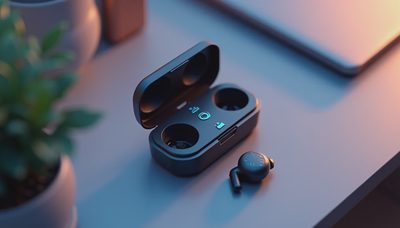
I saw the same thing with earbuds. One pair might advertise a higher total hour count once you include the case, but if the buds drain fast at moderate volume, the real-world experience is worse than the spec sheet suggests. The case only matters if the buds themselves are efficient enough to make it useful. On a smartwatch, the pattern is similar: a watch can survive a weekend if it is mostly idle, but fall apart once notifications, GPS, and workouts enter the mix.
How I normalize conditions so one device doesn't get a free pass
If I want a result I can defend, I have to keep the environment steady. I test in a room that stays close to normal indoor temperature, because heat changes battery behavior. I avoid direct sun, hot cars, and freezing garages. I also let a device cool down after charging before I start the run. A battery that is still warm from the charger can look slightly better in the first part of a test, and that is not a fair comparison.
Signal strength matters too. A weak cellular connection can chew through power fast, so if I am testing cellular use I keep the location consistent and note when reception is poor. Wi-Fi tests stay on the same network. Bluetooth stays on if that is how most people will use the device. I am not trying to build a fantasy result. I am trying to make sure the same device gets the same treatment every time, so the only thing that changes is the hardware itself.
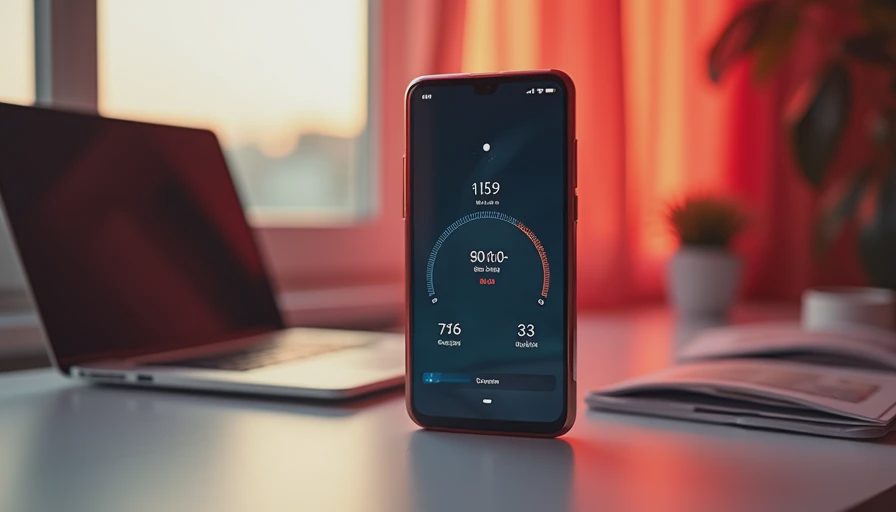
What I record during a run, not just the final battery score
A single finish time is useful, but it is not the whole story. I record screen-on time, overnight standby drain, charge time from empty to 50 percent, and charge time from empty to full. That last stretch matters more than most brands admit, because the final 10 percent can crawl. I also watch for sudden drops near the bottom of the battery, strange shutdowns, and heat spikes when I open the camera or launch a game.
The pattern tells me a lot. A phone that loses 2 to 4 percent overnight with the screen off is usually fine. A phone that drops 10 percent or more while sitting still gets my attention. For tablets, I care about whether they can last a workday of browsing, video, and note-taking without making me hunt for the charger at night. For earbuds, I track both the buds and the case, because one good number without the other is not much help.
How I use battery life test methodology when I recommend a device
This is the part readers actually care about. I do not care if a device wins on paper if it cannot survive the way you use it. I want to know whether a heavy user can get through a workday without a panic charge, whether a tablet can handle a flight and a layover, and whether earbuds still have enough juice for the drive home after the gym. That is the whole point of a repeatable test.
When I recommend something, I explain the conditions behind the number so you can judge the fit. If your day is lighter than mine, you will probably do better. If you live on maps, video, hotspot duty, or long commutes, you will probably do worse. That is not a flaw in the test. That is the value of it. Spec sheets are free. Truth takes a few weeks, and that is usually enough time to separate a real battery winner from a polished marketing story.
No letters yet — be the first to write.