A wireless earbuds battery test sounds simple until you try to make it honest. The headline number on the box is usually the best-case number, not the number you get when you’re on a call, walking into a headwind, or running active noise cancellation all day. I spent years in QA labs, and the first thing I learned is that battery claims fall apart fast when the test setup is sloppy. I want the number that matters on a Tuesday commute, not the one a marketing team picked because it looks clean in a slide deck.
Why battery claims sound better than they are
Manufacturers are not always lying, but they are almost always choosing the friendliest condition they can get away with. One pair might quote eight hours with active noise cancellation off, while another quotes five and a half hours with ANC on. Those are not the same test, and they do not help a buyer compare real use. Volume matters too. If you listen loud, the battery drops faster. If you use transparency mode, which pipes outside sound in, runtime usually takes another hit. Add phone calls, multipoint connection to two devices, or a weak Bluetooth signal, and the story changes again.
That is why I pay more attention to the conditions than the marketing number. A good battery spec should tell you whether the test used ANC, what volume level was used, and whether the case recharge was counted separately. If that detail is missing, I assume the number was chosen to look impressive. The best brands still do this. Sony, Apple, Bose, Samsung, and Jabra all publish numbers that are useful only when you read the fine print. Spec sheets are free. Truth takes a few weeks.
How I run the test on my bench
In my wireless earbuds battery test, I start with a full charge on both the buds and the case, then I play the same audio loop at the same volume every time. I keep the level close to a normal listening volume, not bedroom quiet and not concert loud, and I use the same source device so one model does not get a better Bluetooth connection than another. I also test with active noise cancellation on, because that is how most people actually use premium earbuds on planes, trains, and busy streets.
I do not stop the clock when the battery warning pops up. I stop when one earbud dies and the audio cuts out, because that is the point where the user feels the failure. After that, I check how much the case can restore and how long a full recharge takes from empty. That matters more than people think. A pair that gives you five and a half hours in the buds but several full top-offs in the case can still beat a pair that promises seven hours but gives you a weak case.
What drains earbuds the fastest
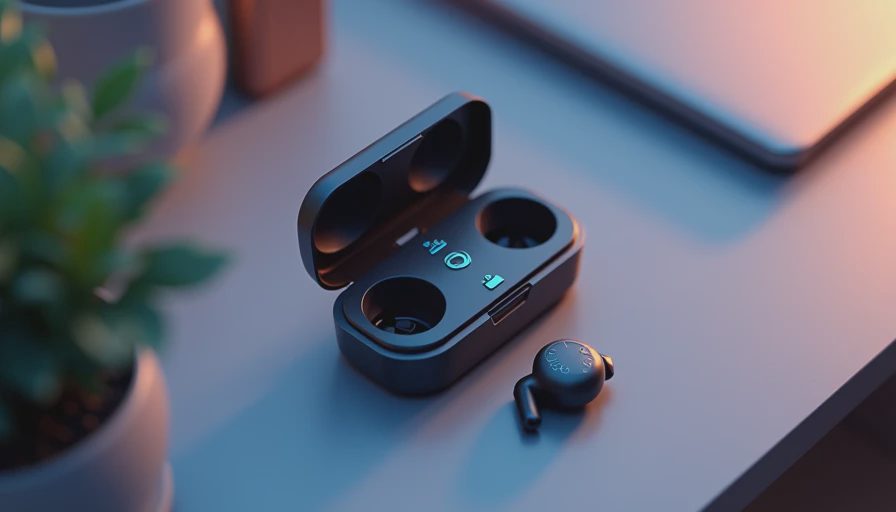
The biggest battery killers are not mysterious. High volume pulls harder than low volume. ANC pulls harder than standard listening. Transparency mode can pull hard too, because the microphones are awake and processing sound the whole time. Calls are another drain point, especially on models that push extra processing to keep your voice clear. If you spend a day bouncing between music, meetings, and podcasts, the runtime on the spec sheet is going to shrink.
Fit matters as well. A loose earbud can tempt you to crank the volume just to hear the bass line or the dialog, and that does damage in a hurry. Weak Bluetooth connection is sneaky too. If your phone is in a backpack or you are in a crowded airport, the earbuds work harder to stay locked in. That is one reason I never trust a battery claim from a quiet office alone. Real life is louder, messier, and much less forgiving.
How to compare brands without getting fooled
If a pair looks great on paper, I still trust the wireless earbuds battery test over the box copy. A case with 30 hours total battery life sounds strong, but if the buds themselves only last five hours, you may still be charging too often. On the other hand, a set like the Sony WF-1000XM5 can win on long single-charge runtime, while Apple AirPods Pro 2 often wins on convenience and ecosystem features even if the raw battery number is shorter. Bose tends to prioritize noise canceling, which can cost some runtime. Soundcore often pushes big numbers at a lower price, which is why I always check whether the real test matches the claim.
I also look at recharge speed. If a case gives you about an hour of listening from a quick 10-minute top-up, that is useful on a rushed morning. If it needs two full hours on the cable before it is ready again, I want to know that before I buy. Wireless charging is nice, but it is slower than a cable on most models, and that is worth factoring in if you are buying for travel or long workdays.
Real-world examples from recent testing
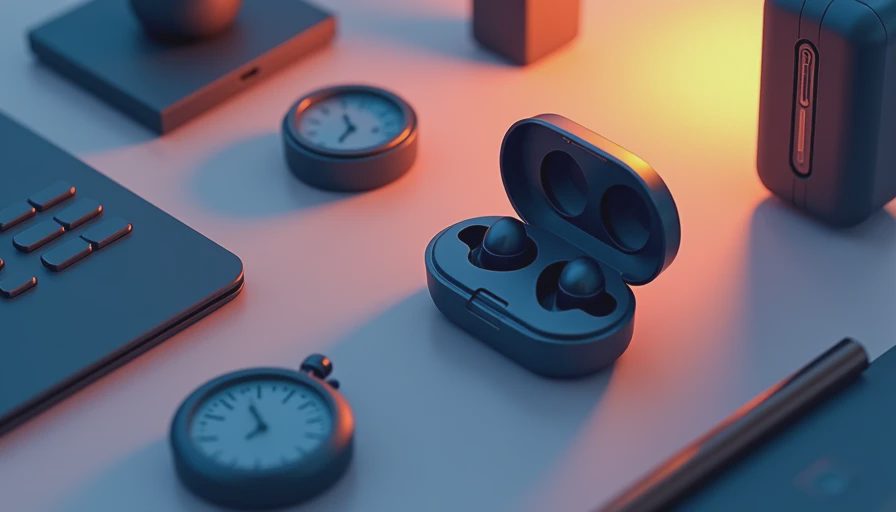
Here is the pattern I keep seeing. Premium models like the Sony WF-1000XM5 usually hold up well in long listening sessions, especially when ANC is on and the volume stays reasonable. Apple’s AirPods Pro 2 do not chase the longest raw runtime, but they are efficient enough for most commuters and very easy to live with if you use an iPhone. Jabra’s Elite 10 sits in a middle ground that makes sense for people who want comfort and calls without chasing every last minute of battery.
The surprise tier is the value brands. Anker’s Soundcore line often posts numbers that look aggressive, and some of those numbers are real in my testing. The catch is that the battery story is only one piece of the purchase. If the fit is awkward, the app is clunky, or the mics sound thin on calls, the big runtime does not save the deal. That is why I always test for the whole day, not just the first hour.
What I tell friends before they buy
A good wireless earbuds battery test is less about chasing one magic number and more about matching the number to your life. If you fly a lot, ask how the buds behave with ANC on. If you take a lot of calls, pay attention to the talk time. If you hate charging, look at the case recharge speed as closely as the bud runtime. And if a company hides the test conditions, I treat that as a warning sign, not a detail.
My advice is simple: buy the pair that survives your routine, not the one with the prettiest spec sheet. If you want a short list built from real testing, compare runtime, case capacity, ANC behavior, and recharge speed side by side. That is the part marketing cannot fake for long, and it is usually where the best value shows up.


No letters yet — be the first to write.