When a phone, tablet, smartwatch, or pair of earbuds claims all-day battery life, I want to know if it survives the stuff real people actually do. That is the point of a real world battery test. I am not interested in the prettiest lab number or the biggest mAh rating on the box. I care about what happens after a week of mixed use, a couple of long calls, some map time, a little video, and one bad day when the screen is too bright and the signal is weak. Spec sheets are free. Truth takes a few weeks.
Why spec sheets miss the part that matters
Battery numbers are easy to game because most shoppers do not read the fine print. A company can say a phone lasts 20 hours of video playback, but that usually means one endless clip, low brightness, and almost no background activity. That is not how most people use a device. Real life means switching between apps, checking notifications, bouncing between Wi-Fi and cellular data, and leaving the screen on longer than you planned because directions or a recipe got your attention.
The same problem shows up with earbuds and watches. Earbuds might be rated at eight hours, but that may be at moderate volume with a codec and feature set nobody uses all day. A smartwatch might look great in a press release until you turn on sleep tracking, notifications, and a workout or two. The battery itself is only part of the story. Software, display brightness, modem efficiency, and heat all change the result.
That is why I start by asking a simple question: can this thing get a normal person from morning to night without a rescue charge? If the answer is no, the rest is marketing.
My real world battery test setup
My real world battery test starts the same way every time. I charge the device to 100 percent, let it cool down, and begin around the same time of day. On phones, I keep brightness fixed instead of using auto-brightness, because automatic adjustment makes every run a little different. I usually target a level that feels like normal indoor use, not cave mode and not max blast. I keep Wi-Fi on, cellular on if the device supports it, Bluetooth on, and location services on, because that is what most buyers live with.
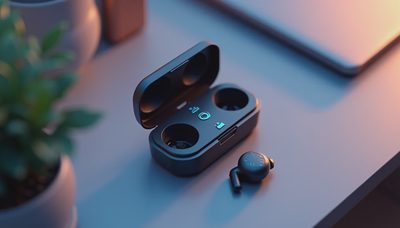
Then I use the device like a regular person would. That means email, social apps, camera use, streaming, music, texting, maps, and a few idle stretches where it sits on a table or in a bag. For tablets, I mix reading, video, note-taking, and browsing. For earbuds, I test at sane listening levels and watch both the buds and the charging case. For watches, I care about notifications, workouts, sleep tracking, and whether the battery can survive a full day plus overnight wear. The point is consistency. If I change the routine, the result stops meaning anything.
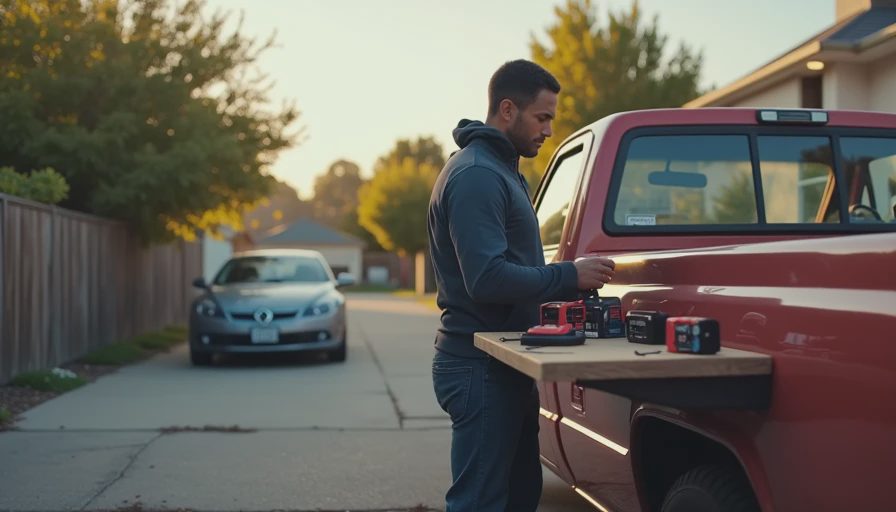
I also track overnight drain, because standby tells you a lot about battery management. A device that loses 1 to 3 percent overnight is usually behaving. One that drops 8 or 10 percent while sitting on a nightstand has a problem. I note charging speed too, but I separate that from runtime. A fast charger can rescue a weak battery, yet it does not change the fact that the device needed rescuing.
What I watch for after day one
A lot of battery reviews get too excited about the first 24 hours. That is the honeymoon phase. The bigger question is what happens after a few days of heat, app installs, signal changes, and real use. Some phones look fine on Wi-Fi but fall apart the first time they spend a long afternoon hunting for a cell signal. Others get noticeably worse after the camera is used for long stretches, because heat makes the processor work harder and drain faster.
I also look for weird behavior that the spec sheet will never mention. Does the device stay warm in a pocket? Does the percentage jump around after a restart? Does battery drain get uglier after an operating system update? Those things matter because owners do not use devices in a perfect lab. They use them in a car, on a commute, in a store, in the kitchen, and while the kid is asking for the password again. If a phone finishes a heavy day with 30 percent left, that is good. If it needs a lunchtime top-off every day, I say so plainly.
The same logic applies to earbuds and watches. A pair of buds that sounds good but dies early at higher volume is not a strong value. A watch that needs the charger every night is fine for some people and terrible for others. Context is everything.
How manufacturers make the numbers look better
This is where the marketing games start. Brands love the kind of test that makes their products look heroic. That usually means one activity, one brightness level, no real interruptions, and as little background activity as possible. It is not always dishonest, but it is often useless to a shopper who does not live that way. A phone can look amazing in a looped video test and still feel mediocre when you spend the day bouncing between maps, messages, camera shots, and short calls.
You will also see battery claims that ignore features people actually want. Always-on display, push notifications, high refresh screens, location tracking, and 5G all matter. Turn enough of that off and almost anything looks better. That is how a thin device can post a glossy number while a more practical one quietly outlasts it in the hands of a real person. I have seen small batteries beat larger ones simply because the software was more efficient and the screen was less demanding.

How I turn the numbers into buying advice
This is where the test becomes useful instead of just interesting. If you commute with maps, music, and a bright screen, you need a different answer than someone who spends most of the day on Wi-Fi. If you game heavily or shoot a lot of video, expect more heat and more drain. If you just want a phone that gets through a workday and a dinner outing without panic, a solid middle-of-the-road result is often better than chasing a giant battery on paper.
That is why I trust a real world battery test more than a chart. It tells me whether a device fits a routine, not whether it wins a marketing slide. If a phone can make it to bedtime with 20 percent left, that is useful. If it needs a power bank by late afternoon, I tell readers to budget for one or look elsewhere. For earbuds, I pay attention to how much a five-minute charge buys back. For watches, I care less about peak runtime and more about whether you can wear it through sleep without turning charging into a daily chore.
Fast charging matters too, but only in context. A decent USB-C charger can turn a dead phone into a useful one during breakfast, while an old 10-watt brick barely keeps up. Charging speed is part of ownership, but it does not erase poor battery life. It just makes the problem less annoying.
A simple battery checklist before you buy
Before you buy, think about your own routine and ask three honest questions. How often will you be away from a charger? Which features will stay on all day? And how much heat or weight are you willing to trade for longer runtime? A big battery in a heavy phone is not automatically better if you hate carrying it. A slim tablet is fine if it lives near an outlet. Earbuds with a great case make more sense for travelers than a model with a tiny backup reserve.
I also pay attention to the details that do not always get highlighted in ads. Is the charger included? Does the device support faster wired charging, or only slow top-offs? Is battery saver mode useful, or does it cripple the experience? Do you need wireless charging, or would a simple cable be faster and cheaper? Apple, Samsung, Google, Sony, Anker, and Belkin all sell products with very different power habits, so the smartest move is matching the device to the way you actually live.
If you want a review that means something, start with a real world battery test and ignore the rest of the marketing noise. That is the kind of number I trust when I am deciding what to recommend to my own family.



No letters yet — be the first to write.