On a bright Reno afternoon, display brightness outdoor stops being a spec sheet contest and turns into a simple question: can you read a text message without shading the screen with your hand? I tested phones the way I always do now that I’m out of the Best Buy lab: same sidewalk, same time of day, same wallpaper, same app, and the same annoyance when a manufacturer leans on a giant brightness number that never shows up where you actually need it. Spec sheets are free. Truth takes a few weeks. What matters is whether the display stays legible when the sun is bouncing off glass, asphalt, and the windshield in front of you.
The test I actually run
When I evaluate display brightness outdoor, I do not start with a marketing claim. I start with what I can read. I open a white page, a dark page, a photo with bright highlights, and a map app, then I walk from shade into direct sun and back again. If a phone has strong automatic brightness, it should ramp up fast when the ambient light sensor sees daylight. If it hesitates, the screen feels dim even when the spec sheet says the panel can hit 2,000 nits or more at peak.
The part most people miss is that peak brightness is often a short burst, not a steady state. A phone can flash a very high number in a small highlight window and still feel just average on a sunny patio. I care more about readable text, low glare, and whether the panel can hold its brightness long enough for a map, a work email, or a photo review in the parking lot.
What the big brands usually get right
Apple and Samsung usually do a good job here, especially on their higher-end phones. Recent iPhone Pro models and Galaxy S or Ultra models tend to stay readable in direct sun because they combine strong brightness with good color and decent contrast. Google’s Pixel line has usually been respectable too, though some generations feel a little less aggressive about outdoor boosting than the biggest flagships. OnePlus often lands in the sweet spot of strong brightness for the money, while cheaper phones can look fine in a store and wash out the moment you step outside.
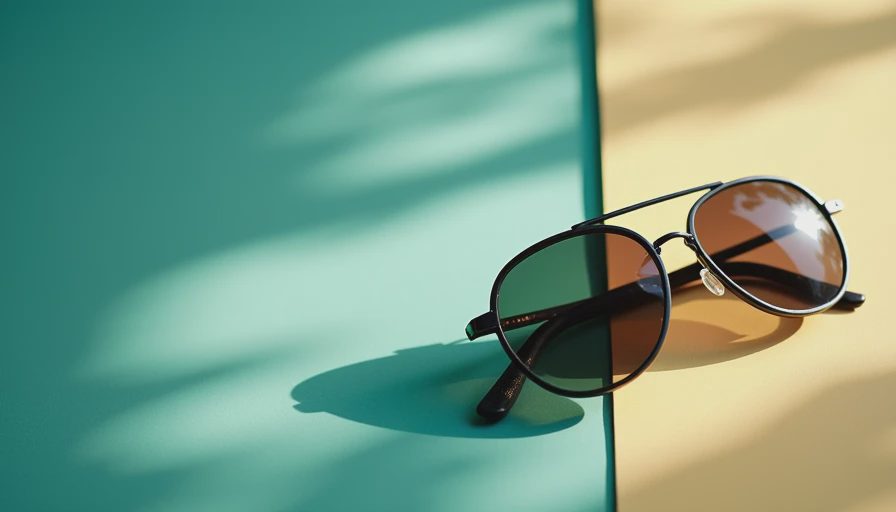
OLED panels usually look better outdoors than older LCD designs because black text sits on a darker background with more punch, but OLED is not magic. A glossy cover glass can still throw reflections all over the place. Anti-reflective coating matters more than many shoppers think, and it is one reason two phones with similar brightness numbers can feel completely different in the same sunlight.
The traps that make a bright screen look dim
A lot of people blame the panel when the real problem is everything sitting on top of it. A thick screen protector can add glare. Fingerprints do the same. A battery saver mode can clamp brightness, and some phones become more conservative as they heat up. That matters on a summer walk or inside a hot car, because display brightness outdoor can fall off faster than you expect once thermal limits kick in.
Dark mode also gets misunderstood. It can help in some situations, but in direct sun the bigger issue is usually contrast and reflection, not whether the interface is black or white. I have also seen cases where a phone looked weak because the auto-brightness sensor was partially blocked by a case or a dirty front glass. Before you call a display bad, wipe the screen, remove the cheap protector, and test it again in the same light.
How to shop the spec sheet without getting fooled
For display brightness outdoor, the number on the box is only one piece of the puzzle. Watch for two things: peak brightness and sustained brightness. Peak brightness tells you what the panel can do briefly, often in a small part of the screen. Sustained brightness tells you more about everyday use, especially when you are staring at a map or a spreadsheet for five minutes instead of five seconds.
I also look at whether the phone uses automatic brightness well. A screen that responds quickly usually feels brighter than one that technically has a higher peak but takes too long to get there. If you are comparing phones in the $600 to $1,200 range, read beyond the brochure and look for real outdoor testing. A 1,200-nit panel with low reflections can beat a 2,000-nit panel that turns into a mirror.
My quick buying checklist
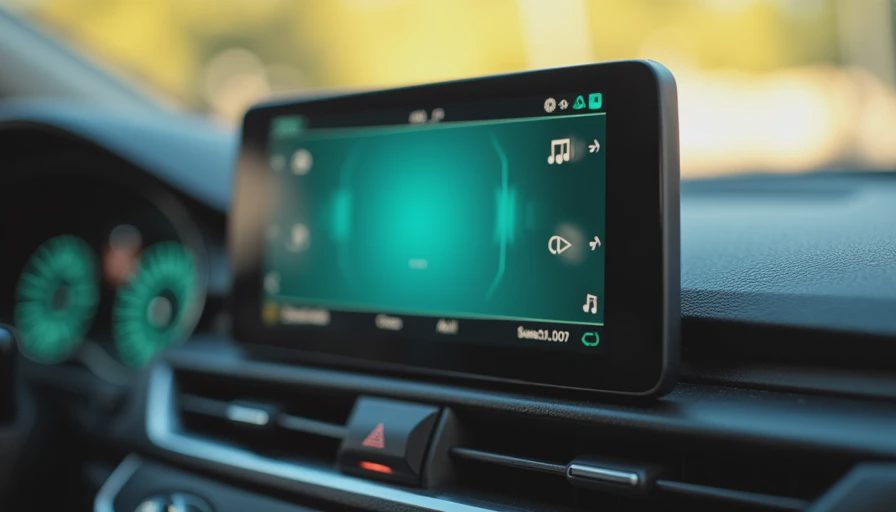
When I shop for a phone or tablet, I want a bright panel, but I want the whole package. First, I check whether the device is readable with sunglasses on, because that is how a lot of people actually use it at the lake, on the trail, or in a car line. Second, I look for a good auto-brightness curve, because manual sliders are a pain and most people will not babysit them all day. Third, I ask whether the glass is too reflective for the price. Fourth, I compare battery drain, since a screen running wide open all day can chew through power fast. Fifth, I read long-term reviews, not launch-day hype.
That last part matters more than people want to admit. A device that looks amazing in a controlled demo can feel ordinary after a week of real use, especially if the software tone-maps brightness aggressively or the panel gets hotter than expected. I have seen phones that were perfectly fine indoors but frustrating outside at noon, and I have seen cheaper models that punched above their weight because the screen stayed usable instead of chasing a headline number.
If you are stuck between two devices, choose the one that stays readable in the worst light you actually face, not the one with the flashiest spec sheet line. That is the whole game with display brightness outdoor, and it is the reason I test outside instead of trusting a glossy product page. Spec sheets are free. Truth takes a few weeks.
No letters yet — be the first to write.