If you want to know how to test headphones before you hand over real money, ignore the shiny spec sheet and start with the stuff you can hear and feel in five minutes. I spent years in a QA lab, and the pattern is always the same: a model that looks great on paper can fall apart the second you push the volume, walk away from the source, or wear it for a full workday. My goal is to find out whether the sound is clean, the fit is livable, and the battery claims are honest.
The first thing I do is set a baseline that never changes. I use the same phone, the same playlist, and the same volume level every time. I turn off sound-processing tricks like equalizer boosts unless I am testing them on purpose, because you cannot compare two products if one has been sweetened by software and the other has not. For wireless models, I check both normal listening and active noise canceling (ANC) on the same track, because some headphones sound fine until the cancellation circuit starts working.
Then I listen for obvious problems before I chase audiophile details. A clean pair should keep vocals centered, cymbals from turning scratchy, and bass from smearing into the rest of the mix. I like to use a simple set of songs with male and female vocals, a few dense rock tracks, and one acoustic recording that exposes harsh treble fast. If the sound gets thin at moderate volume or falls apart when the song gets busy, that is not a subtle flaw. That is the product telling on itself.
I also check left-right balance and distortion at higher volume. You do not need laboratory gear to catch a weak driver or a bad seal. Put on a podcast with a steady voice, slide the ear cups around, and notice whether the voice stays locked in the center or drifts. Then move to a bass-heavy track and listen for buzzing, rattle, or a papery edge on kick drums. A good pair should stay composed when you turn it up, not just sound nice in the first thirty seconds.
One reason how to test headphones matters so much is that battery claims are easy to massage. Manufacturers usually measure runtime at moderate volume with features turned off or reduced, and real use is messier. If a pair says 30 hours and dies before 22 hours in normal listening with ANC on, that is a meaningful miss. I care about whether the battery is predictable, whether fast charging actually helps, and whether the app or headset gives you a trustworthy battery readout instead of a cheerful guess.
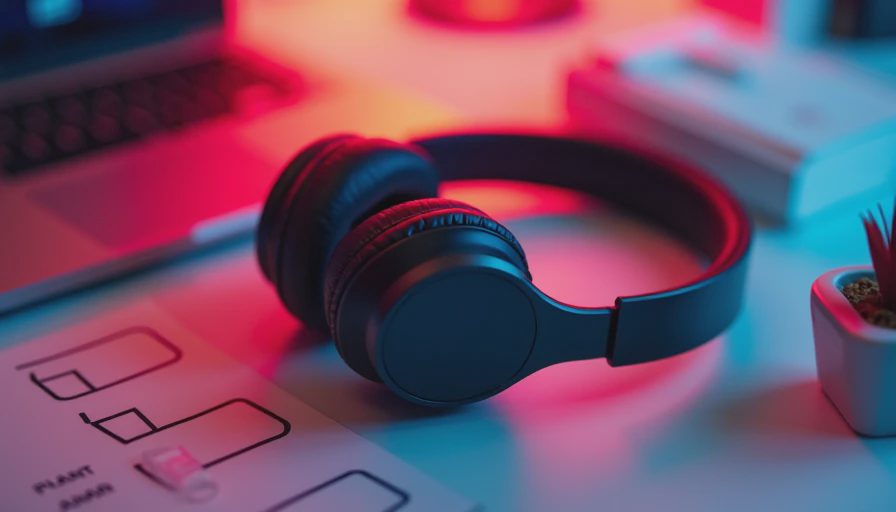
How to Test Headphones for Sound, Fit, and Isolation
Once the sound is roughly sorted, I move to the part most people underestimate: fit. A headphone can measure well and still be miserable after an hour. I wear each model for at least 30 minutes without taking it off, then I pay attention to clamp force, ear cup heat, pressure on the top of the head, and whether glasses break the seal. Over-ear models often feel fine for ten minutes and then start squeezing the jaw or creating a hot spot above the ears. That is a deal-breaker for daily use.
Isolation is the next filter. Passive isolation is just the physical seal from the pads, while ANC is the electronic system that cancels steady noise like engine hum or office air conditioning. I test both by walking past a running dishwasher, a fan, and street noise outside my house in Reno. Sony, Bose, and Apple all make popular premium models here, but even strong brands can tune ANC differently. Some are better at low rumble, while others do a better job with voices and clatter.
Call quality matters more than people think, especially if you plan to take meetings or answer calls on the go. I place a call from the kitchen, then walk into another room, then stand near a running faucet or fan. The important question is not whether the microphone sounds studio clean. It is whether the other person can still understand you when the house gets noisy. If your voice turns watery, distant, or chopped up, the headset is fine for music but weak for real life.
That same real-life approach helps with wireless range. I leave the source device on a table, then move through a normal house path with doors open and closed, because most people do not listen in a perfect lab bubble. If the audio starts breaking up when I reach the hallway or the garage, I write that down. Some models hold a stable connection across a house. Others start stuttering when you get one room away from the phone, which is exactly the kind of annoyance spec sheets never warn you about.
The Checks That Catch Bad Headphones Fast
The easiest way to spot a lazy product is to look beyond sound and see how it behaves after a week of normal use. I open and close hinges, check whether the headband creaks, make sure buttons or touch controls respond without double taps, and see whether the companion app actually works without forcing a login circus. I also pay attention to charging behavior. A good USB-C port should feel secure, charge at a predictable rate, and not require a weird cable position just to wake up.
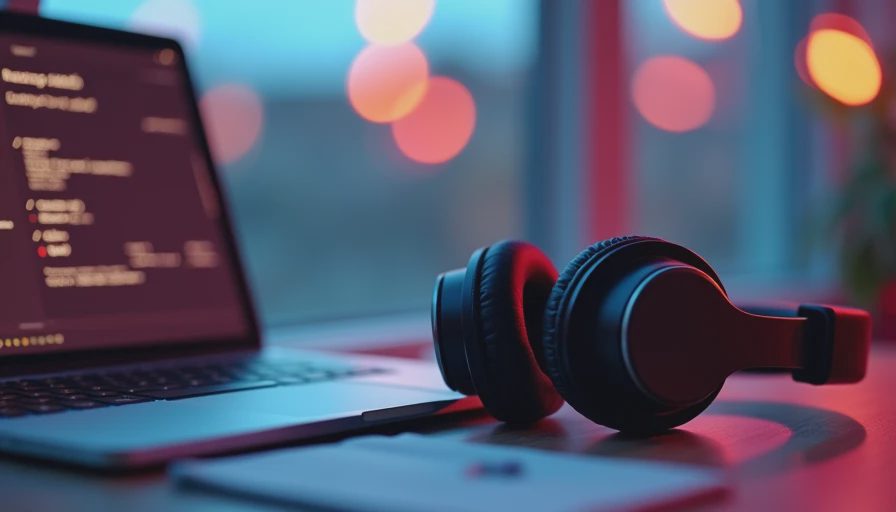
Another practical check is daily annoyance. Does the headset pair quickly when you turn it on? Does multipoint support let it stay connected to a laptop and a phone without random dropouts? Does the voice assistant trigger when you did not ask for it? Those little failures matter because they shape whether a person keeps using the product or leaves it in a drawer. This is where how to test headphones becomes less about audio theory and more about whether the thing respects your time.
If I am deciding whether to recommend a model, I want a clear pattern after several sessions, not one lucky hour. The good ones stay balanced, stay comfortable, and stay dependable when the music stops and the call starts. The bad ones usually reveal themselves fast: a hot spot, a weak hinge, a brittle treble spike, a battery that loses its promise after a few days, or ANC that sounds impressive in a quiet room and weak everywhere else. That is why I test the way I do.
The short version is simple: how to test headphones is really about repeatability. Use the same tracks, the same volume, the same rooms, and the same comfort check every time, then write down what changes. Once you do that, spec sheets get a lot less magical and a lot more honest. I tested it. Here’s what actually happened, and why the right pair is usually the one that keeps passing the test after the honeymoon ends. Spec sheets are free. Truth takes a few weeks.
No letters yet — be the first to write.