A good smartphone drop test tells you a lot more than a spec sheet ever will. I spent years in a QA lab watching phones survive, and fail, under controlled abuse, and the same pattern still shows up in the real world: the winner is usually the device with the better frame, the better corners, and the better support behind the glass. Spec sheets are free. Truth takes a few weeks. When I run a smartphone drop test now, I am not trying to make a phone look magical. I am trying to find out what happens when a pocket slip turns into a cracked screen, a chipped camera ring, or a surprise repair bill.
How I set up the test before the first impact
The setup matters more than the headline number. A smartphone drop test that starts with a sloppy routine gives you sloppy results. I want the same height, the same surface, and the same orientation every time so I can compare one phone to another without guessing. Pocket height, table height, and ear height all tell a different story, because a phone that survives a low slide off a desk can still crack when it lands corner-first from hand height onto concrete. I test on hard tile and sealed concrete because that is where real damage happens, not on a soft carpet that forgives everything.
I also separate bare-phone results from case-on results. That sounds obvious, but plenty of people skip it. A phone can look fragile naked and perfectly fine once a decent case and screen protector go on. I log which side hits first, whether the frame bends, and whether the display still responds cleanly after each impact. That is the part the marketing team never shows you.
What usually breaks first
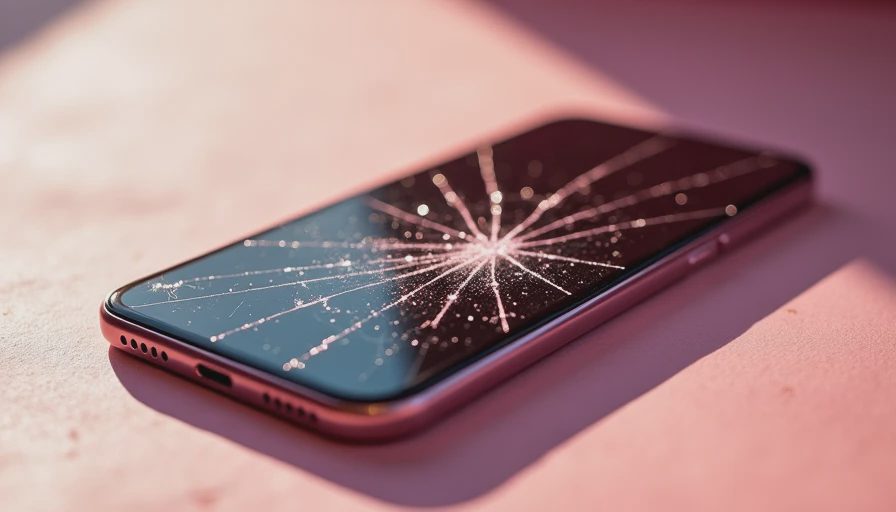
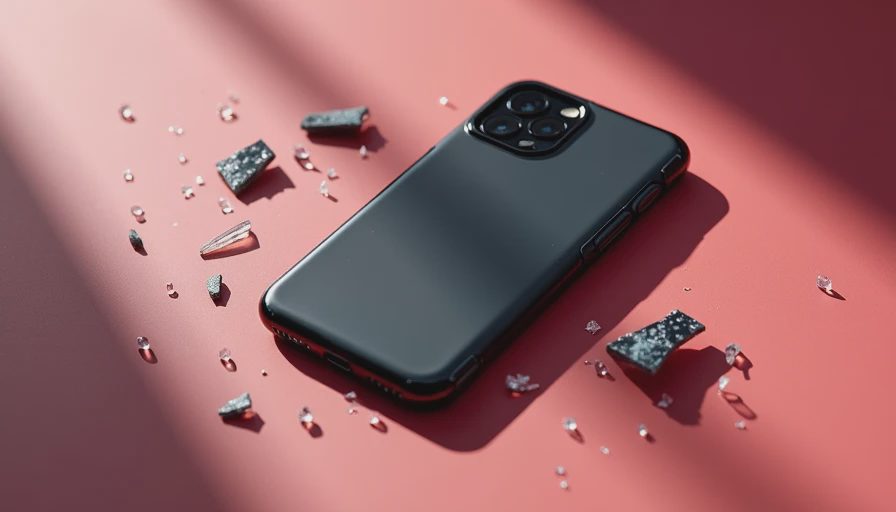
In most phones, the first failure is not dramatic. It starts with a hairline crack at a corner, a scuff across the camera bump, or a tiny dead spot in the touchscreen after the second or third hit. A smartphone drop test that only counts full shatters misses the early warning signs. Those little flaws are what turn into expensive repairs later. On glass-backed phones, the rear panel often loses the argument before the front does, especially if the device lands on a sharp edge or the camera module sticks out far enough to act like a lever.
This is where manufacturer language gets sloppy. Corning Gorilla Glass Victus, Victus 2, and Apple’s Ceramic Shield are all real materials, but none of them make a phone immune to gravity. They help, and sometimes a lot, but the frame still matters. A stiff aluminum or titanium frame can spread force better than a weak plastic shell, and that can be the difference between a scuff and a trip to the repair shop. I have seen a phone with a flashy durability pitch lose out to a cheaper model with a simpler shape and better corners.
Cases change the story fast
If you want the shortest possible answer from a smartphone drop test, it is this: a good case is cheaper than one screen repair. I have seen $15 to $40 cases from Spigen, OtterBox, ESR, and Caseology do more real-world work than the manufacturer’s glossy durability claims. What matters is not just thickness. Raised lips around the display, reinforced corners, and enough grip to keep the phone from flying off a dash mount all help. A slick fashion case can look great on a desk and do almost nothing when the phone meets concrete.
Screen protectors are useful too, but I treat them as a scratch buffer first and an impact helper second. Tempered glass protectors can take some of the force and crack instead of the display, which is a trade I will take all day. They do not fix bad physics, though. If the phone has a weak frame or a camera bump that sticks out like a handle, a protector alone will not save it. That is why I run the same smartphone drop test again with the case on. The before-and-after difference is often huge.
Why the official ratings are useful, but not a promise
People mix up water resistance, dust resistance, and drop resistance all the time. They are not the same thing. An IP68 rating means a phone has been tested for dust and water intrusion under defined lab conditions. It says nothing about surviving a fall onto a driveway. Likewise, MIL-STD-810H shows that a device passed a set of environmental tests, but it is not a blanket promise that the phone is rugged in every situation. Brands love to blur that line because it makes the phone sound tougher than it is.
A smartphone drop test is the fastest way I know to separate that blur from reality. I look at where the frame flexes, whether the buttons still click cleanly after impact, and whether the display alignment shifts even a hair. On some flagships, the expensive part is not the crack itself. It is the repair bill. Apple, Samsung, and Google all offer protection plans or repair programs, and those can make sense if you are hard on phones. But I still want to know what the device does before the plan gets involved, because the first drop usually happens before anyone remembers to buy coverage.
How I decide what is worth buying
When I recommend a phone to a clumsy commuter, a parent, or anyone who keeps a device for three years instead of one, I look at the whole cost of ownership. A $799 phone with a $20 case and a $15 protector can be a smarter buy than a $699 phone that needs a $300 screen replacement after one bad week. That is not fearmongering. That is simple math. A solid frame, decent corner protection, and affordable repair options matter more than a fancy promo video about toughness.
I also pay attention to shape. Flat edges, a camera bump that does not jut out too far, and a screen that sits a little below the lip of the case all help in daily use. Phones with very curved glass can feel great in the hand and still be annoying to protect. Phones with huge camera islands can tip over more easily and take a harder hit when they land. In a smartphone drop test, those little design choices show up immediately. They are the difference between a phone you baby and a phone you can live with.
The bottom line before you hand over the money
If you only remember one thing, make it this: durability is not a vibe, it is behavior. A phone that survives one lucky fall is not automatically durable, and a phone that cracks once is not automatically junk. What I care about is repeatability. Can the device take a few bad drops, keep its screen working, and avoid a repair bill that makes you wince? That is the real question behind any smartphone drop test.
Before I buy, I check the frame, the repair cost, the case options, and whether the phone’s shape encourages damage or helps avoid it. That is the practical side nobody puts on the box. If you want the shiny answer, read the marketing page. If you want the useful answer, I tested it. Here's what actually happened.


No letters yet — be the first to write.