When I run an anc performance test, I am not trying to win a spec-sheet contest. I want to know whether earbuds or headphones actually make a fan disappear, take the edge off subway rumble, and stop office chatter from chewing up my focus. Spec sheets are free. Truth takes a few weeks. The first thing I learned back in the Best Buy QA lab is that active noise cancellation looks amazing in a quiet room and a lot less impressive when the noise source is moving, uneven, or coming from the wrong direction.
How I run an anc performance test
In an anc performance test, I separate passive isolation from electronic cancellation before I call anything good. Passive isolation is just the physical seal from ear tips or ear cups. ANC, or active noise cancellation, is the electronics working against outside noise. If a pair only sounds impressive because it clamps hard, that is not the same thing as clean cancellation. I want to know how much low-frequency hum goes away, how much speech leaks through, and whether the product adds hiss, pressure, or a weird underwater feeling.
My scoring starts with the same noise source at the same distance and volume every time. For earbuds, I use the same tip size and I check the seal before each run. For over-ear headphones, I make sure the cups sit in the same spot and I wear them long enough to catch any comfort problems that show up after ten minutes instead of ten seconds. If a model sounds strong on the first listen but gets tiring fast, that matters just as much as the raw reduction number.
My anc performance test setup
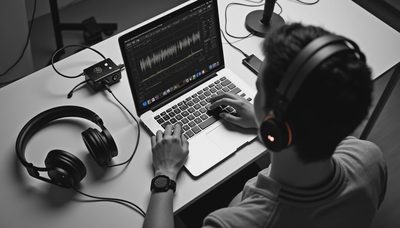
My anc performance test setup is simple on purpose. I play a loop of airplane cabin noise and a separate broad-band test signal through the same speaker, then I listen with ANC off and on at the same volume. I also use a handheld sound-pressure level meter when I want a rough number, but I never trust a single reading more than a repeated listen. If I cannot repeat the result three times in a row, I do not treat it like a real result. That is the lab habit I kept after leaving Richfield.
The best gear usually shows its strengths right away. Sony, Bose, and Apple all have models that handle steady low-frequency noise well, but they do it in different ways. Some feel more natural, some feel more aggressive, and some lean harder on ear seal than others. That is why a buyer who wears glasses, has a larger head, or switches between subway rides and quiet office work can get a very different experience from the same product. The box never tells you that part.

Why one anc performance test is not enough
Why one anc performance test is not enough comes down to the kind of noise you care about. ANC is strongest against steady, low-frequency sound like an engine drone, HVAC hum, or the rumble you hear on a plane. It is much less effective against sudden voices, keyboard clatter, dishes, wind, and sharp braking noise. A pair of earbuds that looks fantastic in a lab-style rumble test can still leave you annoyed in a coffee shop or on a windy sidewalk.
That is why I check more than one scene. I listen in a room with an air conditioner running, then I move to a louder common-area environment, then I step outside if wind is part of the use case. If a headphone only impresses in the easiest scenario, I mark it down. Real buyers do not live in one perfect sound field, and neither do I. The whole point of an anc performance test is to find the gap between marketing and daily life.
What brands like to hide
A lot of marketing leans on numbers that sound big but do not tell the whole story. A manufacturer may quote excellent reduction at one frequency band, under ideal seal conditions, with the product fresh off the charger and sitting in a quiet lab. That is not dishonest by itself, but it is incomplete. A driver or commuter cares about the entire noise picture, not just one clean line on a chart.
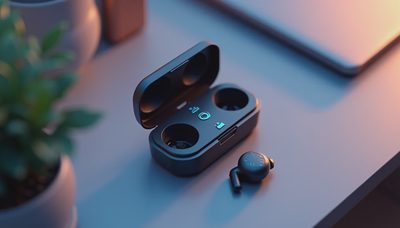
Brands also love adaptive modes, which change the amount of cancellation based on the environment. That can be useful, but it makes comparison harder because the product is moving the target while you are testing it. I also watch for how a device behaves with glasses, hair, hats, or small changes in fit. Those tiny differences can turn great ANC into average ANC fast, especially on earbuds where the seal does most of the work.

What a good anc performance test should reveal
What a good anc performance test should reveal is not just the loudest number. It should tell you whether the product lowers noise in the places your ears actually notice, without creating a pressure cooker feeling or adding a constant hiss. It should tell you whether the quiet is consistent when you move your head, walk, chew, or sit still. And it should tell you whether the battery hit from ANC is small enough that you can still get through a workday or a cross-country flight without babysitting the charger.
Good ANC is usually obvious on a plane, in an office with HVAC noise, or on a train with steady rumble. Bad ANC lets you hear every little hum and makes you work harder than you should have to. The tricky part is that two products can both be called excellent and still fit very different buyers. Sony and Bose often appeal to people who want strong noise blocking with a polished app experience, while some Apple users care more about seamless pairing and a balanced overall package. That is why I never stop at one headline number.
My quick buy-or-skip rule
My quick buy-or-skip rule is simple: if a pair of headphones or earbuds fails the anc performance test in the noise you actually live with, skip it no matter how pretty the spec sheet looks. If it passes the noise test but feels clampy, itchy, or unstable after thirty minutes, skip it too. The whole job is to buy back focus, not create a new annoyance.
If you want my anc performance test on a specific model, start with comfort, then compare low-frequency noise reduction, then check battery life with ANC turned on. That order catches most of the traps before you spend real money. I tested it. Here's what actually happened, and that is usually where the truth lives.

No letters yet — be the first to write.