
Most wirefree earbuds sound impressive for the first ten minutes. Then the fit shifts, the microphones turn your voice into distant static, or the charging case runs flat before your commute ends. I have spent weeks testing wirefree earbuds during desk work, trail walks, phone calls, and family noise, because a product needs to survive normal life before I recommend it. Spec sheets are free. Truth takes a few weeks.
How I test wirefree earbuds
My testing starts with fit, not sound. I use each pair for several hours across multiple days, switching between the included ear tips and noting pressure, slipping, and fatigue. A secure seal affects bass, outside-noise reduction, and call performance, so a poor fit can make an otherwise capable set look broken. I also test one earbud at a time, which exposes connection and control problems quickly.
For battery testing, I charge the case fully, set playback to a consistent level, and use the earbuds until they shut down. I repeat the run rather than accepting the advertised maximum. Manufacturers often quote battery life with noise cancellation disabled and the volume set unusually low. That number is useful only if your habits match the test conditions.
Calls get tested outdoors, indoors, and beside a running kitchen fan. I listen to the recording afterward instead of trusting the person on the other end to be polite. Finally, I put the case in a pocket with keys, use the earbuds during workouts, and check whether the hinge, magnets, and touch controls still feel dependable after repeated handling.
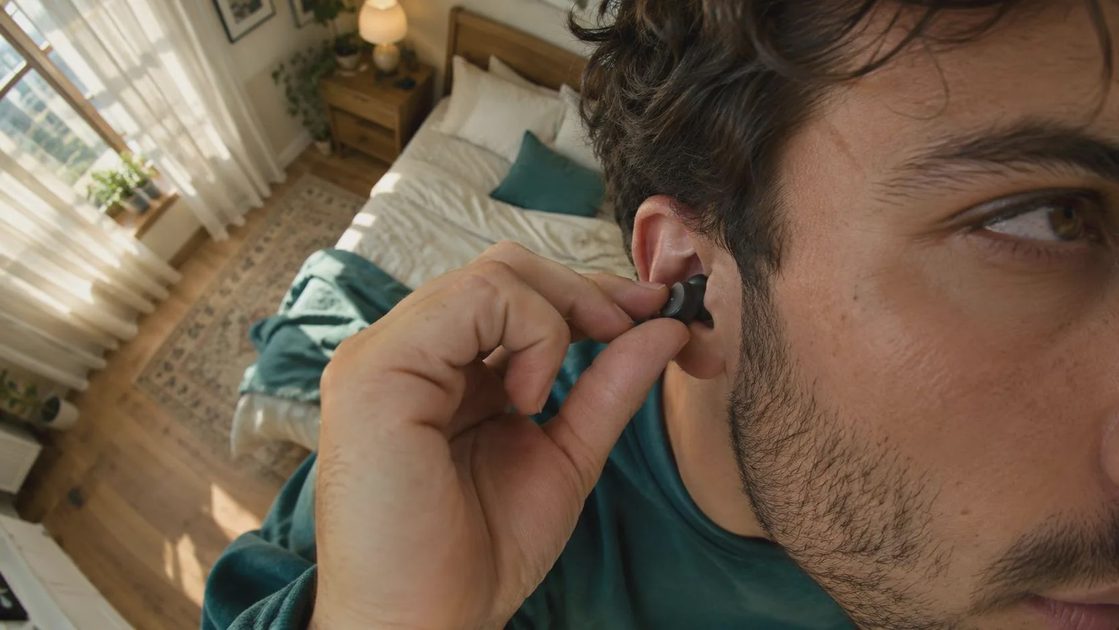
What wirefree earbuds should feel like in daily use
The best wirefree earbuds disappear after you put them in. You should not need to push them back into place during a walk or pause a podcast to adjust pressure. This is where Apple AirPods Pro 2, Google Pixel Buds Pro 2, and Samsung Galaxy Buds3 Pro take different approaches. Their shapes, tip options, and control systems suit different ears, so brand loyalty is less useful than trying the fit.
For sound, I look for balanced tuning rather than exaggerated bass in the first song. A good pair keeps bass lines distinct, leaves room for vocals, and does not turn cymbals into sharp noise at higher volume. The Sony WF-1000XM5 offers strong noise cancellation and detailed sound, while the Bose QuietComfort Ultra Earbuds prioritize a spacious, powerful presentation. Neither is automatically better for every listener.
Controls matter more than many reviews admit. I want reliable pause and play, a usable transparency mode, and volume controls that do not require reaching for a phone. Touch panels can misfire when adjusting an earbud, while physical stems or buttons often provide clearer feedback. If you wear gloves, sweat heavily, or commute in rain, that small difference becomes a daily annoyance.
Noise cancellation, transparency, and call quality
Active noise cancellation uses microphones and electronic processing to reduce outside sound. It works best against steady noise such as an airplane engine, air conditioner, or train rumble. It is less impressive against a nearby conversation or a child asking a question from across the room. I judge it with the same podcast and music tracks in a quiet office, beside traffic, and on a treadmill.
Transparency mode has an equally important job: letting outside sound through without removing the earbuds. Cheap implementations can sound hollow or delayed. Better ones preserve a natural sense of direction, making it easier to hear a coworker or cross a parking lot safely. No setting replaces awareness, but poor transparency encourages people to remove the earbuds repeatedly.
Microphone quality is the usual weak spot. A pair can sound excellent while making your voice thin in wind. I make calls with the phone in a jacket pocket and speak at a normal level. AirPods generally offer dependable call behavior within the Apple ecosystem, while some Android-focused models provide better control through their companion apps. The right choice depends on both the phone and the places where you call.

Battery life and the charging case
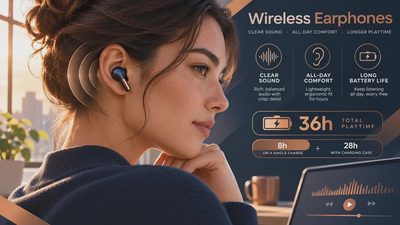
A realistic battery claim includes noise cancellation, calls, and several charging cycles. I prefer earbuds that deliver about six hours of practical playback and a case that supplies at least two additional charges. That is enough for commuting, a workday broken into sessions, and a weekend walk without treating the battery percentage as a second job.
Fast charging can rescue a weak battery, but only if the case supports it consistently. Ten minutes in the case should provide meaningful listening time, not a vague promise measured under ideal conditions. Wireless charging is convenient on a desk, though it is not worth paying a large premium if you already use a USB-C cable.
Pay attention to battery replacement options. Tiny batteries lose capacity with age, and many sealed earbuds are difficult or uneconomical to repair. A $250 pair that feels excellent for two years may be a worse long-term purchase than a $120 pair with similar comfort and a better return policy. Price is part of durability, not a substitute for it.
Choosing the right pair for your phone and habits
If you use an iPhone, AirPods Pro 2 remain a straightforward choice because pairing, device switching, and Find My support are tightly integrated. Android users should compare app quality and multipoint support, which lets earbuds stay connected to two devices. Google, Samsung, Sony, Jabra, and Anker each offer useful options, but features can disappear outside the brand's preferred phone ecosystem.
For exercise, prioritize stability, sweat resistance, and controls that work with damp fingers. For office use, microphone quality and transparency deserve more attention than maximum bass. For travel, noise cancellation and a comfortable seal are worth paying for. If you sleep in earbuds, avoid bulky stems and remember that even a water-resistant model is not automatically designed for overnight wear.
I also recommend checking the return window before opening the box. Ear shape is personal, and no review can predict your comfort perfectly. Buy from a retailer with a clear return policy, keep every ear tip, and test the pair during the activities that matter most to you. That process is more reliable than ordering based on a five-star average.
My buying advice after 30 days
The strongest wirefree earbuds are not necessarily the loudest or most expensive. They connect quickly, stay comfortable, make understandable calls, and give you enough battery that charging becomes routine rather than emergency maintenance. A model that does those jobs consistently will be more satisfying than a technically ambitious pair with unreliable controls.
Before buying, write down your priority: airplane noise, workout stability, phone calls, ecosystem convenience, or low price. Then eliminate products that fail that requirement. The Anker Soundcore Liberty line often appeals to budget shoppers, Sony and Bose remain compelling for noise reduction, and Apple and Google make the most sense when their software integration saves you daily friction.
My final test is simple: after several weeks, do I reach for the earbuds without thinking? If the answer is yes, they passed. If I keep a backup pair nearby because of disconnects, sore ears, or a weak microphone, the launch-day excitement was not enough. Buy for the boring Tuesday commute, not the ten-minute unboxing. That is where wirefree earbuds earn their place.
No letters yet — be the first to write.