The Promise That Almost Works
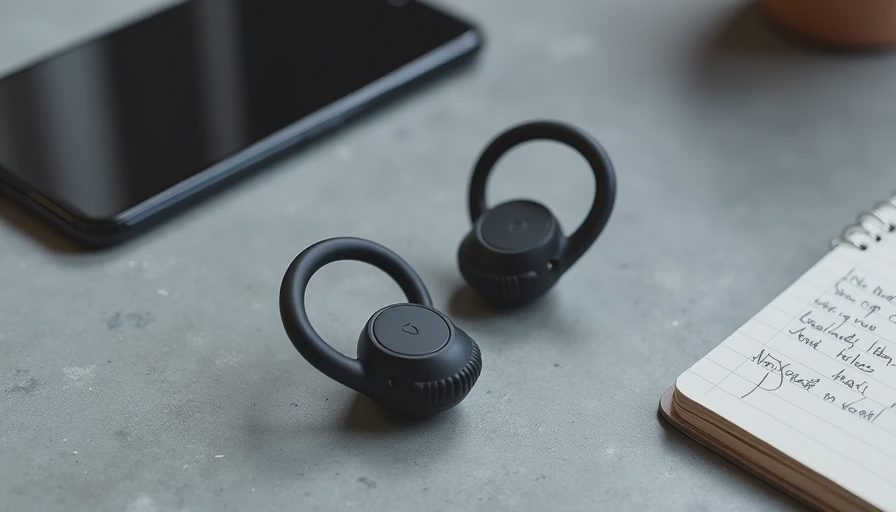
Open-ear headphones solve a real problem. Sealed earbuds block the world, create pressure, and make it hard to hear traffic, kids, or coworkers. Open-ear designs sit outside the canal, leave your ears free, and still deliver music and calls. On paper they look like the ideal everyday compromise.
I wore a current open-ear pair as my primary headphones for a full month—commutes, desk work, runs, house chores, and calls. The concept is genuinely appealing. The execution still forces clear trade-offs that most marketing glosses over.
Spec sheets are free. Truth takes a few weeks of living with the gaps.
What Open-Ear Gets Right
All-Day Comfort
No canal pressure, no tired ears after three hours, no constant urge to take them out. For desk work and light movement this is a meaningful upgrade over deep-seal buds. I forgot I was wearing them more often than with any in-ear pair I have tested recently.
Situational Awareness
Traffic, conversations, and household sounds stay audible without constantly toggling transparency modes. On runs and walks the safety benefit is obvious. In the office I could hear someone approach my desk without yanking an earbud out.
Stable Fit for Movement
The better open-ear designs stay put during runs and head turns better than many stem-style in-ears. Once I found the right ear-hook tension, they survived workouts without the gradual slip that ruins sealed buds for some users.
Where the Concept Still Falls Short
Bass That Never Arrives
Physics is undefeated. Without a seal you simply do not get meaningful low-end. Electronic music, hip-hop, and anything that relies on weight sounds thin and distant. Podcasts and acoustic tracks fare better, but the overall presentation remains lightweight. After two weeks I caught myself turning the volume up just to chase impact that never came.
Sound Leakage Is Real
At moderate volumes the people next to you can hear your audio. In a quiet office or on a plane this becomes antisocial quickly. I had to keep the volume lower than I prefer, which further weakened the already limited bass and dynamics.
Call Quality Is a Mixed Bag
Microphone performance varies widely by model. The pair I used handled quiet rooms adequately but struggled more than good sealed buds once wind or background chatter increased. The open design helps awareness; it does not automatically help the people listening to you.
ANC Is Not Part of the Deal
Most open-ear headphones offer little to no active noise cancellation. In loud environments you are left with volume as your only tool, and raising volume increases leakage. They are situational tools, not replacements for ANC earbuds on planes or noisy commutes.
Who These Actually Serve
Open-ear headphones make the most sense for:
People who cannot tolerate sealed buds for comfort reasons
Outdoor runners and cyclists who prioritize awareness
Desk workers who need to stay available to their surroundings
Users who mostly listen to podcasts, calls, and lighter music
They are a poorer fit for anyone who wants immersive music, strong bass, or reliable quiet in noisy spaces.
The Month-End Verdict
I like the concept enough to keep a pair around for specific uses—desk work and outdoor awareness runs. I cannot recommend them as a primary music device for most people. The comfort and safety benefits are real. The audio compromises are equally real and appear the moment you ask for any low-end weight or private listening.
Manufacturers are improving drivers and positioning, and future models may narrow the gap. Right now the trade-off is still stark: you gain the world around you and give up the weight and isolation that make headphones satisfying for a lot of listeners.
If comfort and awareness are your top frustrations with traditional earbuds, open-ear designs are worth trying—especially if the return policy is generous. Just go in knowing the bass will not be coming with you.
No letters yet — be the first to write.