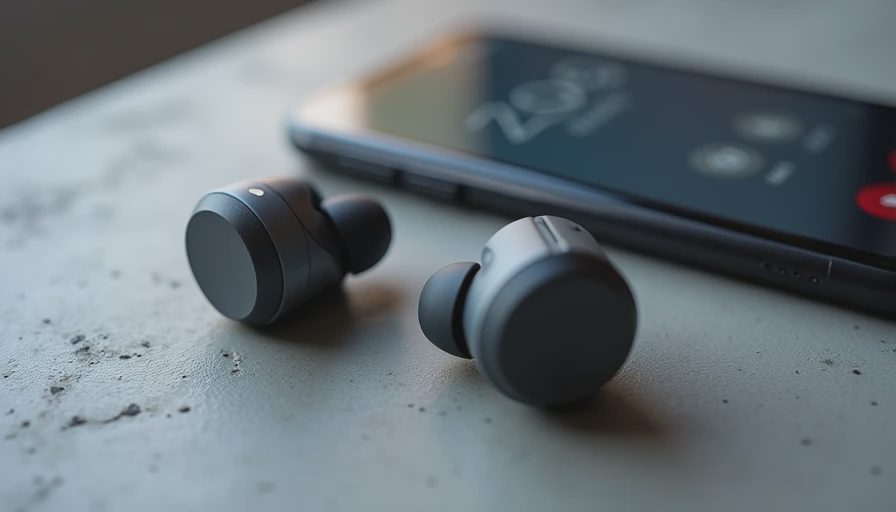
Music Is Easy. Calls Are the Real Test
Almost every earbud review still leads with sound signature, bass response, and ANC graphs. Those things matter. They are also not the reason most people get frustrated and stop using a pair.
The real daily failure point is phone calls. Wind, traffic, office chatter, kids in the background, the simple act of walking while talking—these are the conditions that separate earbuds that work from earbuds that make you sound like you are speaking through a pillow. I stopped treating call quality as a secondary note and started testing it as the primary use case.
Spec sheets are free. Truth takes a few weeks of actual conversations.
How I Test Call Quality Now
The protocol is deliberately unglamorous and repeatable:
Scripted and unscripted calls while walking on a moderately busy street.
Calls in a typical open office / coffee-shop noise floor.
Calls with light wind.
Calls while the earbuds are also playing low-volume audio (simulating notification or navigation prompts).
Battery level below 30 % to catch any degradation.
Comparison recordings sent to the same two people every time so the feedback is consistent.
I log intelligibility, how often the other person asks me to repeat myself, and whether my voice sounds natural or thin and processed. Fancy AI claims get ignored until the real calls prove them.
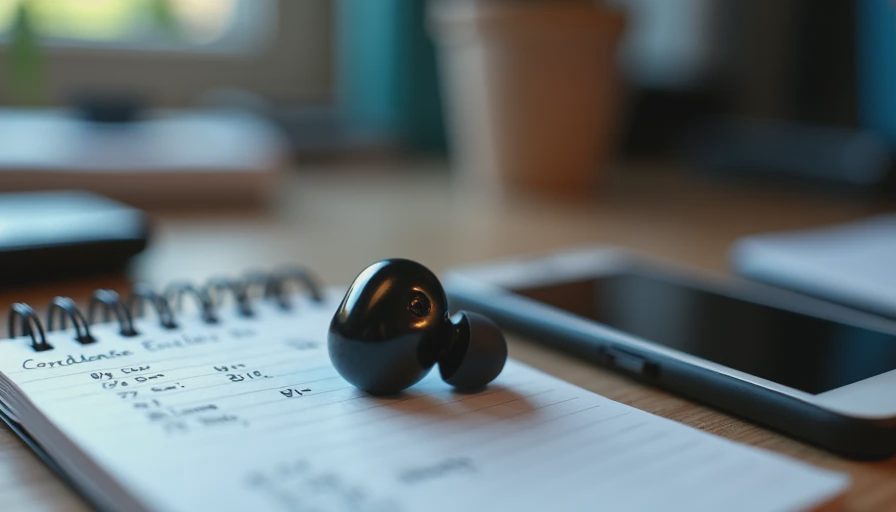
What Most Earbuds Still Get Wrong
Several patterns keep appearing:
Microphones that sound excellent in a quiet room and then collapse the moment background noise rises.
Aggressive noise reduction that removes wind but also removes the natural tone of your voice.
Stems or mic placement that work when you are sitting still and fail when you turn your head or look down.
Noticeable drop in mic performance once the battery is no longer full.
Many “premium” pairs still optimize for the music demo and treat the microphone as a checkbox. The result is earbuds that impress in a store and then force you to take them out when a real call matters.
The Pairs That Actually Held Up
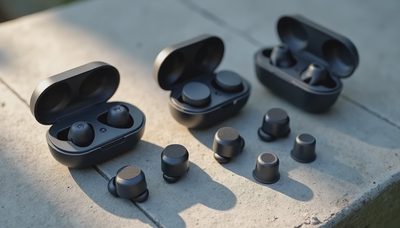
After extended side-by-side testing, a short list has separated itself for call reliability.
The Consistent Mid-Range Workhorse
This pair does not have the flashiest ANC or the most refined music tuning. It does keep your voice clear on sidewalks and in offices without turning you into a robot. Wind handling is above average, and performance stays stable as the battery drops. It has become the pair I grab when I know I will be on calls most of the day.
The Premium Option That Finally Prioritized Voices
Most flagship earbuds still sound better on music than on calls. This one is the recent exception. The microphone array and processing maintain intelligibility in mixed noise without the heavy-handed filtering that makes so many expensive pairs sound unnatural. It is still costly, but if calls are a primary use it is one of the few that justifies the jump.
The Lightweight Everyday Compromise
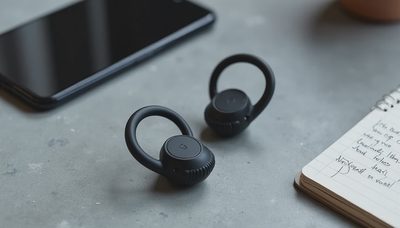
For users who hate deep-seal buds, this lighter design offers usable call quality without the sealed-in feeling. It will never match a strong in-ear seal in pure noise rejection, yet it keeps voices clearer than most open or semi-open competitors I have tried. Useful for people who will actually wear the buds long enough for the call to finish.
What I Recommend Buyers Do
Ignore the music-focused score if your main frustration is calls. Look for real-world call notes, not just “AI noise reduction” marketing language. If possible, test the mic yourself during the return window by walking outside and calling a friend.
The best call earbuds are the ones that make the other person forget you are even using them. Everything else is secondary.
I will keep updating this short list as new pairs survive the same street-and-office protocol. For now these are the ones that have earned a permanent spot in the call-rotation drawer instead of the music-only drawer.
No letters yet — be the first to write.