
Finding the best headphones for music listening is less about chasing the biggest driver or the longest feature list and more about matching sound, comfort, and source to the way you actually listen. I spent weeks with these models using rock, jazz, electronic, podcasts, and badly mixed live recordings. That last category matters: a headphone that only sounds impressive on a perfect studio track is not necessarily a good everyday headphone.
My testing starts with the same playlist at a consistent volume, followed by several hours of normal use. I switch between an iPhone, a Windows laptop, and a small USB digital-to-analog adapter, then retest after two weeks. I also wear each pair while working, walking, and lying on the couch. Spec sheets are free. Truth takes a few weeks.
My top picks at a glance
For most listeners, the Sony WH-1000XM5 is the safest wireless recommendation. It has warm, detailed sound, excellent active noise cancellation, and enough comfort for a long flight or a full workday. Its controls are simple, its microphones are usable, and the battery comfortably handles multiple days of normal listening. The sound is not perfectly neutral, but the Sony app gives you a practical equalizer for small adjustments.
The Sennheiser HD 560S is my wired pick for listeners who care most about detail and separation. It is open-back, which means the ear cups let sound escape and allow outside noise in. That makes it a poor choice for an airplane but a strong choice at a quiet desk. Guitars sit in their own space, cymbals do not turn into a sharp blur, and bass is controlled rather than oversized.
If you want something less expensive, the Audio-Technica ATH-M50x remains a dependable option. Its closed-back design blocks a modest amount of noise, the detachable cable is replaceable, and its energetic presentation makes pop and rock immediately enjoyable. It can sound a little bright on already aggressive recordings, so I would not call it universally relaxed.
What makes headphones good for music?
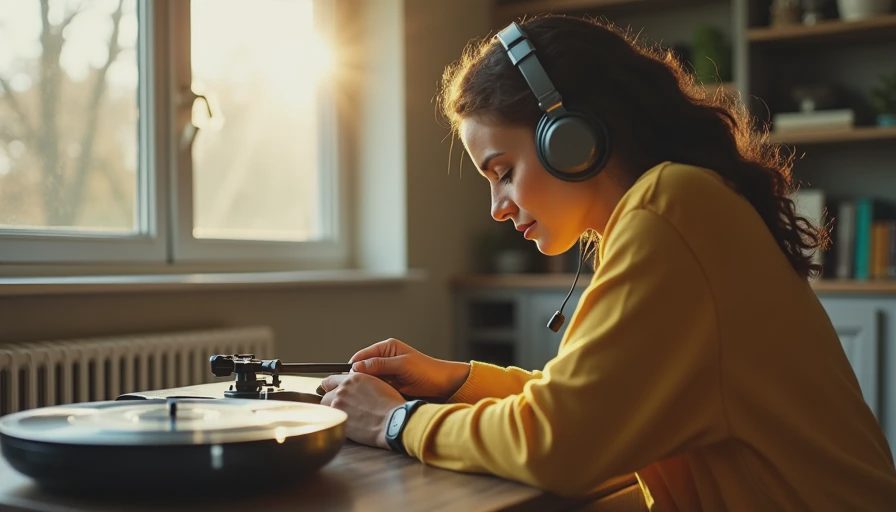
The best headphones for music listening should make you want to hear another album, not merely impress you for five minutes. I pay attention to four things: tonal balance, detail, comfort, and consistency. Tonal balance describes whether bass, vocals, and treble sound proportionate. A bass-heavy pair can be fun, but too much low end can cover vocal texture and guitar detail.
Detail is not the same as treble brightness. A headphone can sound sharp and exciting while revealing very little. During testing, I use familiar recordings with quiet background instruments and room ambience. Good headphones let those elements appear without forcing me to raise the volume.
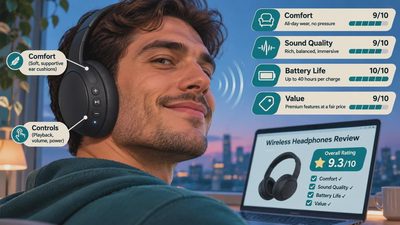
Comfort is where many reviews move too quickly. I wear each pair for at least three-hour sessions and note pressure around my ears, heat buildup, headband tension, and glasses interference. The Bose QuietComfort Ultra is especially comfortable for many users, while the heavier Apple AirPods Max feels more substantial and secure but can become noticeable during long sessions.
Wireless stability also matters. I walk through two rooms, leave my phone on a desk, and make a call before judging Bluetooth performance. A connection that drops when you turn your head is not acceptable, regardless of how polished the companion app looks.
Wired or wireless: which should you buy?
Wireless headphones win for convenience. Models such as the Sony WH-1000XM5 and Bose QuietComfort Ultra are easy to use with phones, support noise cancellation, and avoid cable tangles. They are ideal for commuting, offices, and travel. Noise cancellation works by producing an opposing signal to reduce steady sounds such as airplane engines or air conditioners. It is less effective against sudden voices and clattering dishes.
Wired headphones still offer better value when you listen at a desk. You do not need to charge them, firmware cannot unexpectedly change their sound, and a broken cable is often replaceable. The tradeoff is that many phones lack a headphone jack, so you might need a small adapter. A $20 to $60 adapter is usually enough; you do not need an expensive metal box to enjoy a competent pair of wired headphones.
The best headphones for music listening are therefore different for a home office and a daily train ride. I would choose the HD 560S for focused listening and the Sony for mixed daily use. Buying a wired studio pair for a noisy commute usually creates frustration, while buying expensive wireless headphones only to use them at a silent desk wastes some of their advantages.

Picks by budget and listening style
Around $100, consider the Sony MDR-7506 or Audio-Technica ATH-M40x. Neither is luxurious, but both deliver clear, useful sound and can survive years of desk use. The Sony is lighter and folds more easily. The Audio-Technica feels sturdier and has a more spacious presentation.
Between $150 and $250, the Sennheiser HD 560S is difficult to beat for home listening. If you need closed-back isolation, look at the Beyerdynamic DT 770 Pro, choosing the impedance version appropriate for your device. Impedance describes how much power a headphone needs; higher numbers can be quieter from a phone.
Above $300, wireless convenience becomes the main reason to spend more. The Sony WH-1000XM5, Bose QuietComfort Ultra, and Apple AirPods Max all offer strong noise cancellation, but their best choice depends on your phone and comfort preferences. AirPods Max integrates most naturally with Apple devices, while Sony works more flexibly across platforms.
For workout use, I would skip large over-ear models unless you exercise in a cool, quiet place. Sweat, heat, and movement shorten the useful life of ear cushions. A good pair of sport earbuds is usually more practical, and replacement tips cost far less than replacing a premium headset.
How I would buy your next pair
Start by deciding where you will listen 80 percent of the time. A quiet room points toward wired, open-back headphones. A plane, office, or shared home points toward wireless noise-canceling headphones. Next, set a real budget that includes accessories: perhaps $150 for a wireless model, or $180 for wired headphones plus a simple adapter and replacement pads.
Then check return terms and test comfort before judging sound. Listen at moderate volume for familiar tracks, not only dramatic bass demos. Try acoustic music, dense metal, spoken vocals, and a recording with subtle background effects. If the headphones make you wince after 30 minutes, a better frequency graph will not fix the fit.
My final advice is simple: do not buy based on a single five-star launch review. The best headphones for music listening should still feel comfortable, reliable, and enjoyable after the honeymoon period. I keep a pair for at least two weeks before making a recommendation because hinges loosen, pads heat up, and small annoyances become obvious. I tested it. Here's what actually happened.
No letters yet — be the first to write.