Wired headphones are not a nostalgic fallback. After testing dozens of pairs with phones, laptops, game consoles, and a cheap digital audio player, I still reach for them when I want reliable sound without charging another battery. The best models deliver clear music, low latency for video, and years of service for $30 to $300. The bad ones produce cable noise, clamp too tightly, or rely on impressive specifications that do not survive ordinary use.
My testing starts with comfort and handling, not a frequency-response chart. I wear each pair for at least two hours, switch between several source devices, walk with the cable under a shirt, and listen for changes in bass, vocals, and treble. I also check whether the plug fits a phone case and whether the cable can be replaced. Spec sheets are free. Truth takes a few weeks.
Why Wired Headphones Still Make Sense
The biggest advantage is simple: no battery. A wired pair cannot die halfway through a flight, lose its connection in a crowded train station, or enter a strange power-saving mode during a video call. There is also no Bluetooth compression or pairing menu between you and the source. For a laptop at a desk, a gaming controller, or an airplane seat, that simplicity is useful.
Wired headphones also offer better value at several price points. A $40 pair such as the Sony MDR-7506 has been used in studios for decades because it is easy to drive, folds reasonably well, and exposes detail without demanding an expensive amplifier. The Audio-Technica ATH-M50x costs more, usually around $150, but adds a sturdy build and detachable cables. These are not automatically the best choices for everyone, but their design decisions are easier to understand than many wireless products.
There is one important limitation. Many current iPhones and Android phones lack a traditional 3.5-millimeter headphone jack. You may need a USB-C or Lightning adapter, and a poor adapter can introduce hiss or reduce volume. That is an inconvenience, not a reason to dismiss the entire category.
Sound Quality Depends on More Than the Cable
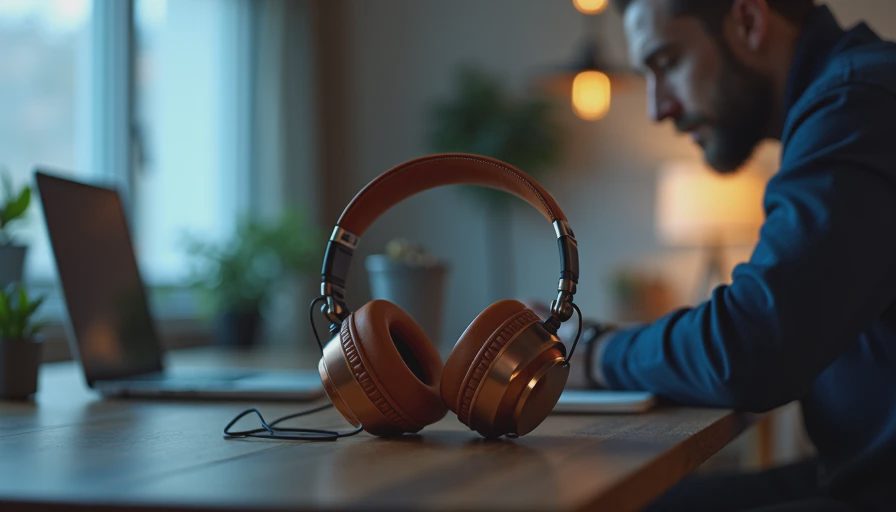
People often say wired headphones sound better, but that claim needs context. The cable itself is rarely the magic ingredient. The driver design, tuning, seal around your ears, and quality of the source matter more. A well-tuned wired pair can sound more natural than a similarly priced wireless model, especially in vocals and acoustic instruments, but a badly tuned pair remains bad no matter how exotic the cable looks.
I listen to the same test tracks on every model. A clean vocal recording reveals whether the midrange is recessed. A bass-heavy electronic track shows whether low notes are tight or boomy. A live recording exposes harsh treble and poor separation. I repeat the test at low volume because an aggressive headphone can seem exciting for five minutes and tiring after an hour.
Over-ear wired headphones usually create a wider, more relaxed presentation than small earbuds, but they are less portable. Closed-back models keep sound from leaking and work well in an office. Open-back models can sound spacious, yet they leak music in both directions and are unsuitable for a shared room. No frequency graph can tell you whether your coworkers will hear your playlist.
Comfort, Cable Noise, and Everyday Build Quality
Comfort is where many reviews move too quickly. I wear each pair while working at a desk, walking around the block, and lying back on the couch. I note pressure on the top of the head, heat around the ears, and whether glasses make the seal worse. Memory-foam pads can feel luxurious at first, but some become warm after an hour. Lightweight plastic can be more comfortable than heavy metal.
Cable behavior matters just as much. A stiff cable that rubs against a jacket can send thumps into the earcups, a problem called microphonics. Straight cables are easy to replace, while permanently attached cables can turn one failure into a dead headphone. The $99 Sennheiser HD 280 Pro has a coiled cable and strong isolation, but its clamp can feel firm. The Philips SHP9600 is more relaxed and airy, though its open design is a poor fit for a library or office.
Build quality is not the same as maximum weight. I flex the headband gently, inspect the hinges, and check whether the ear pads are standard replacement parts. A product that survives three years because you can buy new pads is a better long-term purchase than a premium-looking model that becomes disposable after one cracked cushion.

Matching Wired Headphones to Your Devices
Before buying, identify the connector your device actually supports. A 3.5-millimeter plug works with many laptops, desktop computers, handheld game systems, and older phones. USB-C headphones can connect directly to newer devices, but compatibility is less universal than the connector suggests. Some USB-C models include their own digital audio hardware; others expect the phone to provide it.
A USB digital-to-analog converter, commonly called a DAC, changes digital audio into the analog signal headphones use. You do not need an expensive one for most portable listening. A basic adapter from Apple, Anker, or a reputable audio brand is often enough for efficient headphones. Hard-to-drive studio models can benefit from a small amplifier, but buying one should follow a volume problem, not an internet upgrade checklist.
For gaming, wired headphones have a practical advantage: very low delay. Bluetooth can introduce a noticeable gap between an on-screen action and its sound, while a cable generally avoids that issue. Make sure the headset has the right microphone connection if you use voice chat. A four-contact plug usually combines stereo audio and microphone signals, but desktop computers sometimes separate those connections.
My Practical Buying Guide by Budget
Under $50, prioritize comfort, replaceable pads, and a sensible sound balance. The Sony MDR-7506, Koss Porta Pro, and Panasonic RP-HTX80B are different in fit and tuning, so read the return policy and avoid choosing from price alone. The Koss is compact and light; the Sony is more analytical; the Panasonic is more casual and bass-friendly.
From $50 to $150, you can find the best value for most buyers. The Audio-Technica ATH-M40x offers a more restrained tuning than the popular M50x, while the Sennheiser HD 560 S is a strong open-back option for a quiet room. These wired headphones reward careful listening, but they do not block outside noise.
Above $150, improvements become more personal. Models from Beyerdynamic, Sennheiser, and HiFiMan can offer different soundstages and textures, but comfort and amplification requirements vary. Spend extra only after you know what bothers you about your current pair. A better fit often improves your experience more than a more expensive driver.
The Final Test Before You Click Buy
Check four details before ordering wired headphones: connector type, intended listening space, replacement-pad availability, and return terms. Then consider whether you need a microphone, volume controls, or a detachable cable. Those small features affect daily use more than a claimed frequency range from 5 hertz to 40 kilohertz.
If you commute, closed-back headphones with a modest clamp are usually the practical choice. If you listen at home and want an open presentation, an open-back pair can be more enjoyable. If your phone has no headphone jack, budget $10 to $30 for a reliable adapter instead of assuming every accessory will work.
My recommendation is straightforward: buy the fit and use case first, then judge sound. The right wired headphones should disappear during a long listening session, connect instantly, and remain useful when every wireless device in your drawer needs charging. I tested it. Here's what actually happened: dependable design beats flashy specifications surprisingly often.



No letters yet — be the first to write.