Fitness tracker accuracy is not one universal score. A watch can count steps well, miss a few heart-rate spikes, and make sleep estimates that are useful only as trends. After years testing wearables in a quality-assurance lab and several weeks wearing them during hikes, bike rides, desk work, and family life, I have learned to distrust clean-looking spec-sheet claims. The useful question is not whether a tracker is accurate in theory, but whether its readings are consistent enough to guide your decisions.
What fitness tracker accuracy actually measures
Most trackers use an accelerometer to detect movement, optical sensors to estimate heart rate, and software algorithms to interpret sleep, calories, and exercise. Each system has different weaknesses. Step counting is usually strongest during a steady walk. Heart-rate monitoring becomes harder when your wrist is moving quickly or the band is loose. Sleep tracking is an estimate based on motion and heart-rate patterns, not a clinical sleep study.
That distinction matters. If your device records 9,800 steps one day and 10,200 the next, the difference is probably not meaningful. If it consistently records fewer steps than a known walking route, you have found a useful limitation. Good fitness tracker accuracy is mainly about repeatability: the same activity should produce similar results under similar conditions.
A tracker also does not measure calories directly. It combines your profile, movement, heart rate, and sometimes altitude with an algorithm. Treat a calorie number as a rough planning estimate, not permission to eat back every displayed calorie after a workout.
How I test a fitness tracker
My basic process is deliberately boring. I wear the test device and a reference device on opposite wrists, then repeat the same routes and workouts over multiple days. For steps, I manually count a measured walk of several hundred steps, repeat it at different speeds, and check the result after stopping. I also test normal life: carrying groceries, pushing a stroller, typing, and driving.
For heart rate, I compare the watch with a chest strap during an easy walk, steady cycling, intervals, and recovery. A chest strap generally responds faster because it measures electrical signals near the heart, while a wrist device relies on reflected light. I look for delayed peaks, sudden impossible jumps, and how quickly the reading settles after exercise.
For location tracking, I use a familiar loop with turns, tree cover, and a mix of roads and trails. GPS accuracy can change with buildings, weather, satellite visibility, and whether the watch has a clear connection to its phone.
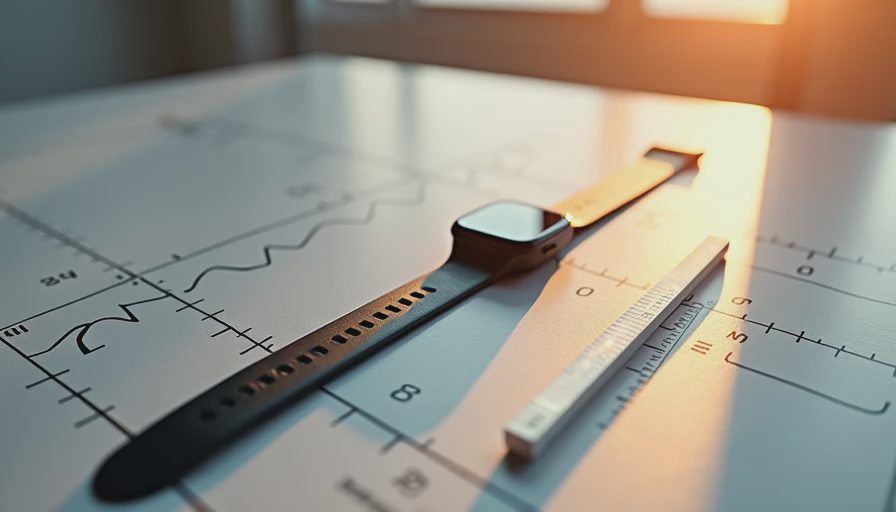
Steps and heart rate: where trackers usually succeed
Step counting is the easiest feature to trust, but it is not perfect. Apple Watch, Garmin, Fitbit, and Samsung Galaxy Watch models typically perform well during purposeful walking. They can undercount when your hands stay still, such as when pushing a shopping cart, and overcount during repetitive wrist movement. I have seen a tracker add steps while cooking because chopping and reaching look like walking to its motion sensor.
Heart-rate performance depends heavily on fit. Wear the watch about a finger above the wrist bone, snug enough that it does not slide when you flex your hand. Tattoos, sweat, cold skin, hair, and a loose band can all interfere with the optical signal. During steady cardio, many current watches are close enough for pacing. During intervals or strength training, the delay can be obvious.
If exact training zones matter, pair a compatible watch with a chest strap. For casual health tracking, a stable resting heart rate and believable workout pattern are more valuable than a single impressive number.
Sleep, calories, and GPS need more caution
Sleep tracking is useful for spotting patterns, not diagnosing a condition. A tracker may label quiet wakefulness as light sleep, especially if you remain still while reading. It can also miss brief awakenings. The best test is to compare its timeline with your own experience over two or three weeks. If it shows shorter sleep after late nights and longer sleep after a calm weekend, the trend may help even when the exact minute count is wrong.
Calorie estimates are the least trustworthy headline number. Two devices can disagree by several hundred calories for the same workout because their formulas weigh body size, heart rate, exercise type, and duration differently. Use the number to compare your own workouts, not to compare yourself with another person wearing a different brand.
GPS is more useful for distance and route review than for pinpoint mapping. Garmin often gives athletes detailed training data, while Apple Watch offers a polished experience and strong phone integration. Fitbit emphasizes approachable health summaries, and Oura focuses more on recovery and sleep than live workout metrics. Those are product priorities, not proof that one brand wins every measurement.
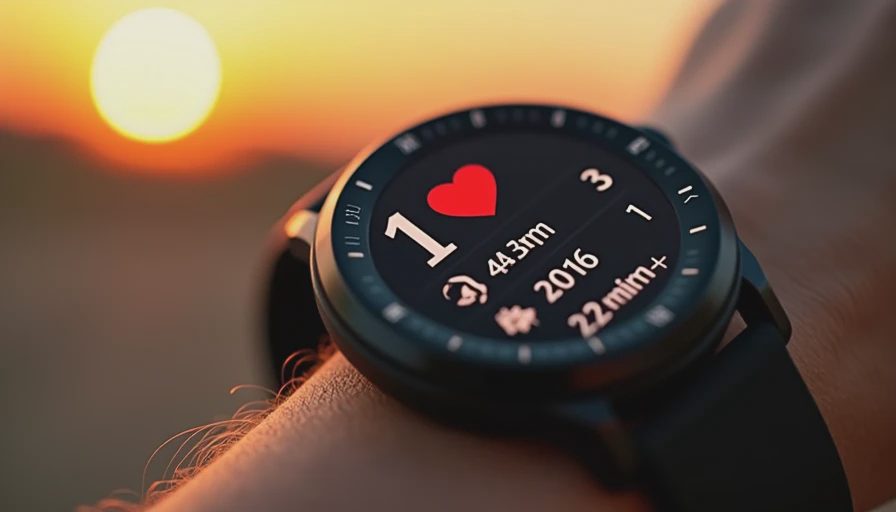
A practical comparison before you buy
For the most dependable everyday step and heart-rate experience, Apple Watch is a strong choice for iPhone owners who will charge it regularly. Garmin is usually the better fit for runners, cyclists, and hikers who want longer battery life and deeper training controls. Fitbit remains easy to understand for general activity and wellness tracking. Oura is compelling for sleep and recovery insights, but its ring form factor is not ideal for everyone, and some features require a subscription.
None of these brands delivers perfect fitness tracker accuracy. A $40 band can be adequate for daily movement, while a $400 watch adds better sensors, GPS, screens, and coaching rather than magical measurement. Before spending more, decide which metric you will actually use. Someone checking daily steps needs a different device from a cyclist analyzing intervals or a sleeper comparing recovery patterns.
How to improve your readings
Start with accurate profile information, including age, height, weight, and dominant wrist. Wear the device consistently and keep its firmware updated. Clean the sensor after sweaty workouts, tighten the band for exercise, and avoid placing it directly on the wrist joint. Begin workouts manually when you want a clean heart-rate record, especially for indoor training.
Review weekly patterns instead of reacting to one strange reading. If your watch reports a resting heart rate of 42 after a night of poor sleep but normally shows 58, repeat the measurement while sitting quietly. If readings remain abnormal or you feel unwell, use medical advice rather than a consumer wearable to decide what it means.
My final test is simple: does the device help you make a better choice? If seeing consistent step totals gets you walking after dinner, it is doing its job. If calorie estimates create false confidence or sleep scores make you anxious, turn those screens off. Spec sheets are free. Truth takes a few weeks, and fitness tracker accuracy is best judged by repeatable results in your actual routine.


No letters yet — be the first to write.