Why I Quit the Lab and Started Writing the Reviews I Always Wanted
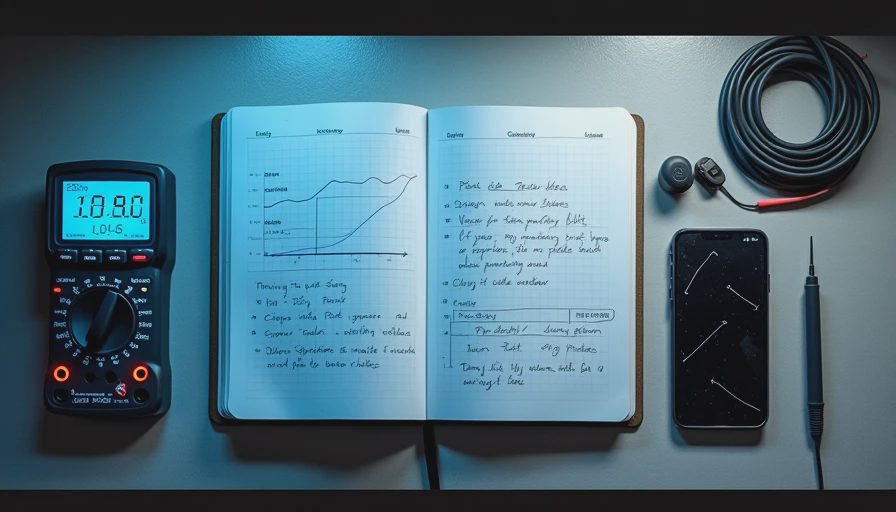
I spent eight years inside Best Buy’s corporate QA lab in Richfield, Minnesota. My job was to break things before customers could. Drop tests. Battery cycle after battery cycle. Thermal chambers that made phones sweat like they were sitting on a dashboard in Arizona. Signal rooms that felt like Faraday cages designed by people who hated fun.
I got my hands on devices three to six months before they hit shelves. I knew which phones would still look sharp after a year of pocket lint and which “premium” earbuds would sound muddy once the marketing gloss wore off. And every single time a polished review dropped on launch day with perfect scores and carefully worded caveats, I would sit at my bench, look at the same device we’d already put through hell, and think: That’s not the whole story.
So three years ago I quit. Moved the family to Reno. No more press briefings. No more free samples that come with unspoken expectations. No more watching colleagues soft-pedal problems because the brand relationship mattered more than the data. I started this site because I was tired of the same-day hype cycle, and I figured there had to be other people who were tired of it too.
This is the manifesto. The “why” post. The one where I tell you exactly how this place works and why the rules exist.
The Problem With Embargo-Day Reviews
Most tech coverage runs on a simple machine: manufacturer ships samples under embargo, reviewers scramble to hit publish the second the lock lifts, everyone races to be first. The result is a wall of nearly identical takes that all sound like they were written by the same slightly breathless intern who just unboxed something shiny.
I don’t blame the writers. Deadlines are real. Traffic is real. But when the entire conversation about a $1,200 phone is settled in the first 48 hours—before anyone has lived with it long enough to notice the battery curve after week two or the way the case starts collecting scratches—readers lose.
I used to design the test protocols those early reviews never had time for. Real battery drain under mixed use. Screen visibility outdoors at noon, not in a carefully lit studio. ANC performance on an actual airplane, not a pink-noise track in a quiet room. Those numbers take time. They also tend to be less flattering than the ones that make it into the press deck.
So here’s the rule that shapes everything on this site: if I haven’t used it past week two, it’s not a review. Thirty-day takes are the minimum. Some devices get 90-day or six-month follow-ups because that’s when the real story shows up. Spec sheets are free. Truth takes a few weeks.
No Free Samples. No Sponsored Content. No Exceptions.
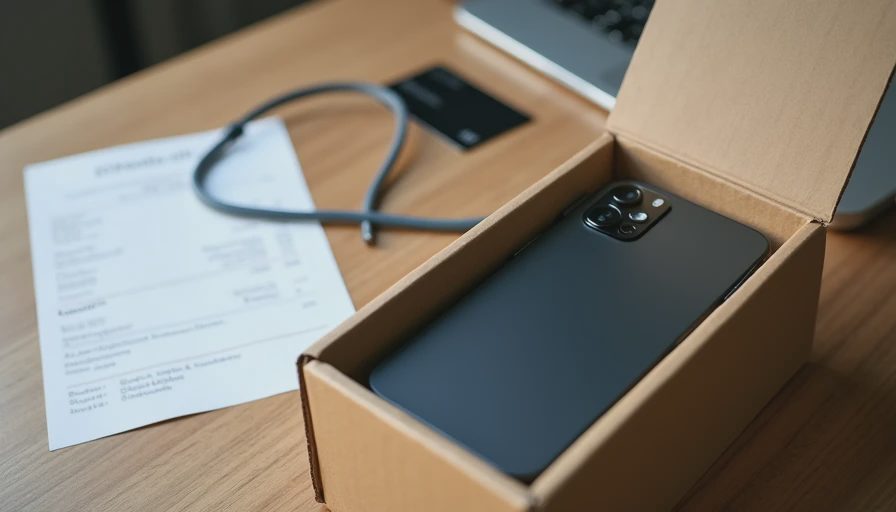
I buy everything I test. Sometimes used, sometimes new, always with my own money or reader-supported affiliate commissions that I only place on products I would actually recommend to my brother. That last part matters. Affiliate links are how the lights stay on, but they never decide the score. If a product is mediocre, the link stays off the page.
Press samples create a quiet pressure. You feel it even when the PR person is polite. There’s an unspoken transaction: we gave you early access, you give us coverage that doesn’t torch the launch. I watched that dynamic for years from the inside. I’m not interested in playing it from the outside.
Does that mean I’m slower than the big sites? Yes. Does it mean I sometimes miss the first wave of conversation? Also yes. What I gain is the freedom to say a flagship is overpriced, or that a pair of $90 earbuds outperform something three times the cost, without wondering whether next quarter’s sample allotment will dry up.
How the Lab Experience Shapes Every Post
Eight years of standardized testing leaves marks. I still think in protocols. When I write about battery life, I tell you the exact mixed-use scenario I ran—screen brightness locked, same apps, same network conditions—so you can decide whether my numbers map to your life. When I talk about ANC, I describe the five real-world environments I actually tested in, not a single lab graph.
I also call out the games manufacturers play. Peak brightness numbers that only appear for three seconds on a pure white screen. Battery claims measured with airplane mode and a dim display. “All-day” estimates that assume you check your phone six times and then put it down. I’ve seen the internal spreadsheets. Some of those claims are creative writing.
You’ll see that skepticism here. Not the angry kind. The “I’ve run the same test a hundred times and the marketing number still doesn’t match reality” kind. I write like I’m explaining something to a smart friend over coffee—someone who trusts my bullshit detector and doesn’t need me to soften the edges.
What You’ll Find in Each Category
The Lab Bench is where I pull back the curtain on the methods. How I built a usable testing rig for under $200. Why outdoor screen visibility matters more than the peak nits number on the box. The actual scenarios I use for ANC and latency instead of the ones that make every product look good.
The 30-Day Take is the long-term review home. Devices after the honeymoon. The things first-week coverage missed. The slow failures and the quiet strengths that only show up once you’ve lived with something.
Signal & Fit covers audio and wearables with an emphasis on the stuff that actually decides whether you’ll keep using them: fit, call quality, sleep tracking accuracy, durability during workouts. Frequency response graphs are fine. Real ears and real wrists matter more.
Family Test is the durability section born from two kids, a dog, and the constant chaos of a household that doesn’t treat tech like museum pieces. Tablets that survive nine-year-old hands. Headphones that get sat on. Charging setups that finally end the cable wars.
The Promise I’m Making You
I will never pretend every product is good. Some are bad. Readers deserve to know. I will ground every claim in a described, repeatable test. I will define jargon the first time it appears. I will not chase embargo-day noise.
And I will keep the signature line honest: Spec sheets are free. Truth takes a few weeks.
If that sounds like the review site you always wished existed, stick around. The next posts start building the actual testing framework and the first long-term takes. No press briefings required.




No letters yet — be the first to write.