
The samsung galaxy buds3 pro make the most sense for someone with a compatible Samsung Galaxy phone who wants compact earbuds, active noise canceling, and a tight fit with silicone tips. They are a less obvious buy for iPhone owners or anyone who switches phones often, because some features depend on Samsung software and devices. I haven't put these earbuds through a long-term test, so this is a buying guide, not a claim about how they held up after months of use.
The practical question is whether their Samsung-specific features and fit are worth the asking price to you. Compare them with the Sony WF-1000XM5 if you want premium earbuds for either Android or iPhone, the Apple AirPods Pro line if you live in Apple's ecosystem, and the Google Pixel Buds Pro line if you want another Android-oriented option. Fit, software support, and sale pricing can change that calculation more than a promising feature list.
Where samsung galaxy buds3 pro fit best
These earbuds use silicone ear tips and a stem design. The tips matter because a good seal helps both bass response and noise isolation. If one ear sounds thinner than the other, try another tip size and reseat the earbud before reaching for the equalizer. Your ears may need different sizes; that's normal.
Active noise canceling, or ANC, uses microphones and processing to reduce outside sound. It is generally most useful against steady low-frequency noise, such as an airplane cabin or ventilation system. It won't make nearby voices disappear, and its effectiveness depends on the seal. If you want to hear an announcement or talk to someone without removing an earbud, the ambient sound mode is the relevant feature to try.
Samsung's companion software provides controls and settings on supported Android devices, but feature availability is not identical across phones. Before buying, check Samsung's compatibility information for your exact phone and software version. In particular, don't assume that Samsung-specific audio features or Galaxy AI functions work on every Android device just because basic Bluetooth pairing does.

Basic Bluetooth audio and Samsung's deeper integration are different things. The earbuds can pair with other Bluetooth devices, but an iPhone buyer should not expect the same app-based setup and feature controls available on a compatible Android phone. If you use an iPhone as your primary device, I'd start with AirPods Pro rather than buy these on the assumption that every setting will transfer.
Sound, calls, and the checks that matter
The Buds3 Pro support high-resolution audio features within Samsung's ecosystem, but a codec name alone doesn't tell you whether you'll hear a meaningful improvement. A codec is the method used to encode audio for wireless transmission. Your phone, settings, source material, and listening environment all matter, and the highest-quality Samsung options require compatible hardware and software.
Here's a useful comparison you can run yourself during a return window. Play the same familiar tracks at a comfortable, matched volume with any sound enhancements turned off. Listen for a vocal staying clear when the bass comes in, then turn the enhancements on and decide whether you actually prefer the change. Louder often sounds more exciting at first, so match levels before declaring a winner.
For calls, record a voice memo or make a call in a quiet room, then repeat near a fan or on a breezy walk. Ask the person on the other end whether your words remain understandable, not just whether they can hear you. A voice memo isn't a perfect substitute for a live call, since apps may process audio differently, but it is a quick way to spot a problem.
The stem controls are another fit test. Practice adjusting playback and volume while walking, and see whether using the controls shifts the seal. A control scheme can be clever on paper and annoying when you're carrying a bag or wearing gloves.
Battery life and durability without the hype
Samsung publishes battery estimates for different listening conditions. Treat those as comparison points, not a promise: volume, ANC, call time, codec, and the age of the battery all affect runtime. Case capacity is separate from the listening time you get from a single charge, so don't confuse total playback with uninterrupted playback.
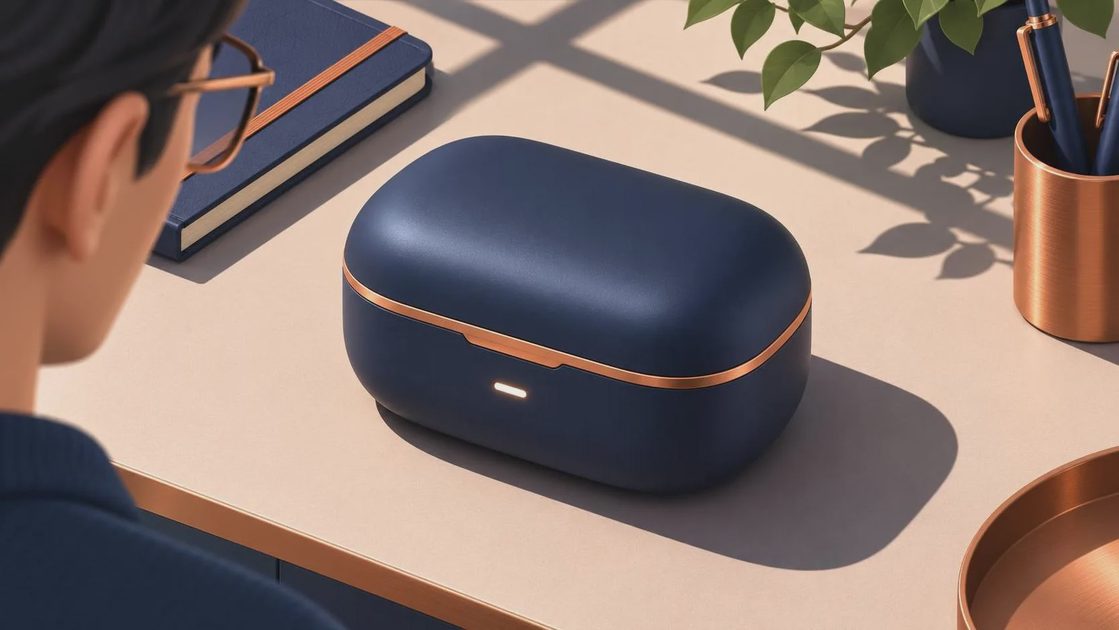
To check whether the battery meets your needs, charge the earbuds fully, turn on the settings you actually use, and play your usual mix at your usual volume. Note when each side warns you about low battery. Repeat once before your return window closes; a large difference between the two sides is worth investigating. Don't run earbuds to empty routinely just to chase a number.
The earbuds carry an IP57 rating; that rating applies to the earbuds, not the charging case. It indicates a level of dust and fresh-water resistance under specified test conditions, not permission to take them swimming or put them away wet. Dry the earbuds before charging, and keep the case away from water. Sweat, soap, salt water, wear, and accidental damage are different from a controlled rating test.
Should you buy samsung galaxy buds3 pro?
Buy them when you have a compatible Galaxy phone, the tips seal comfortably, and the price compares well with the alternatives. Samsung's ecosystem features can be useful, but they're not a substitute for good fit or a call microphone that works in your usual environment.
For a mixed iPhone and Android household, look closely at the Sony option and compare its phone support and controls. For an iPhone-first setup, AirPods Pro are the more natural starting point. Pixel Buds Pro are worth comparing if you prefer Google's approach to Android integration. None is guaranteed to fit your ears, and the best choice can change with a sale.
Before ordering, check the seller's return policy, the included accessories, and whether the listing is new or refurbished. Then spend your first few days checking fit, calls, controls, and battery life in the places you actually use earbuds. Spec sheets are free. Truth takes a few weeks.

No letters yet — be the first to write.