Wearable technology trends are moving beyond flashy step counters. The interesting changes now involve better health measurements, longer battery life, useful artificial intelligence, and devices that disappear into daily routines. After years of testing phones, watches, earbuds, and fitness trackers, I have learned to distrust the launch-day superlative. A feature can sound revolutionary and still be annoying by week three.
My test is simple: wear the product during work, sleep, exercise, commuting, and ordinary family chaos. I record battery drain, missed notifications, charging friction, comfort, and whether the data changes a decision I would actually make. Spec sheets are free. Truth takes a few weeks.
The biggest wearable technology trends to watch
The first major shift is from passive recording to useful coaching. Older trackers collected steps, heart rate, and sleep duration, then displayed colorful charts. Newer products increasingly interpret those measurements. They might suggest an easier workout after a poor night of sleep, flag an unusual heart-rate pattern, or explain why recovery feels slow.
That sounds helpful, but interpretation is where manufacturers can oversell. A watch cannot diagnose every medical condition, and a readiness score is not a clinical verdict. During testing, I compare recommendations against how I actually feel and against a simple manual record of sleep, exercise, and resting heart rate. If an app says I am ready for a hard ride after four hours of broken sleep, the app loses that round.
Another important direction is quieter hardware. The best wearable is often the one that does not demand attention. Slimmer cases, lighter materials, brighter screens, and more reliable vibration alerts matter more than a menu packed with features. A watch that feels comfortable overnight can deliver more useful long-term data than a technically advanced model left on a dresser.
Health sensors are getting more ambitious
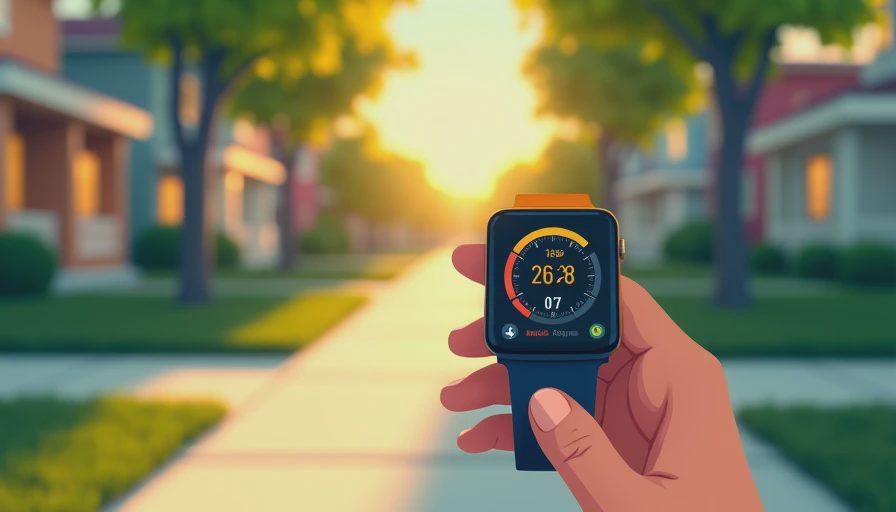
Health sensing remains one of the strongest wearable technology trends, especially in smartwatches and rings. Devices now commonly measure blood oxygen, skin temperature, sleep stages, heart-rate variability, and workout heart rate. Some watches also offer electrocardiogram readings, which record the heart's electrical activity through sensors in the case and crown or buttons.
The hardware is improving, but accuracy depends on fit and movement. I test workout tracking across walking, cycling, strength training, and a short interval session. I wear the device snugly above the wrist bone, then repeat the same sessions with a looser fit. A tracker that performs well only when clamped tightly may be accurate in a lab but irritating at home.
The same caution applies to sleep tracking. A ring or watch can estimate sleep timing from movement and physiological signals, but it does not directly observe every sleep stage the way a clinical sleep study does. Look for consistent trends rather than treating one strange Tuesday as a diagnosis. If an alert concerns you, use it as a reason to talk with a qualified medical professional, not as a substitute for one.
Battery life is becoming a buying decision
Battery endurance is one of the least glamorous wearable technology trends and one of the most important. A watch that lasts seven days sounds better than one that lasts two, but the number means little if it excludes the always-on display, overnight tracking, GPS, or cellular connection.
I test battery life with the display set to the setting I would actually use. I enable notifications, wear the device overnight, record at least two outdoor workouts, and leave automatic health tracking on. I also measure how much battery returns after 15 and 30 minutes on the charger. That last test matters when you are late for work and have forgotten to charge the watch.
Expect tradeoffs. An Apple Watch typically prioritizes a rich app ecosystem and frequent charging, while Garmin models often favor longer endurance and detailed training tools. Samsung's Galaxy Watch line sits between those goals for many Android users. A smart ring may last several days because it has no bright screen, but it can be less convenient for checking information quickly. Choose the charging pattern you can live with, not the largest number in the product listing.
Artificial intelligence needs a job to do
Artificial intelligence is appearing throughout wearable technology trends, from voice assistants to workout summaries and sleep explanations. The useful version reduces friction. For example, turning a week's activity into a readable summary can save time, and answering a timer request without touching a phone is genuinely convenient.
The less useful version simply renames existing charts. If an app tells you that you slept poorly because you slept poorly, it has not delivered much intelligence. I look for explanations that identify a pattern, show the underlying measurements, and let me correct bad assumptions. Privacy also matters. Before buying, review whether health data is stored locally, synchronized to a cloud account, or shared with other services.
I am especially cautious about generative artificial intelligence making health claims. A polished paragraph can sound authoritative while being based on incomplete data. Treat these summaries as organization tools. Do not treat them as a doctor, trainer, or emergency service.

Smart rings, watches, and earbuds serve different people
Several wearable technology trends overlap, but no single form factor wins every test. A smartwatch is the most versatile choice for notifications, navigation, payments, emergency features, and exercise tracking. It is also the most distracting and usually needs charging more often than a basic tracker.
A smart ring is better for people who want quiet sleep and recovery monitoring. It is comfortable under a sleeve and usually lasts longer than a watch, but it has no large display and can be awkward during weight training. Ring sizing is not a minor detail; fingers change size with heat, cold, and exercise, so use the manufacturer's sizing kit before ordering.
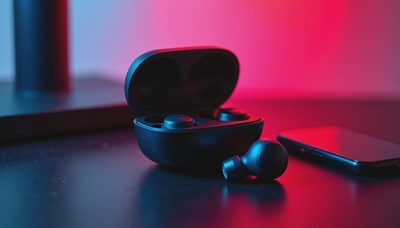
Earbuds are increasingly part of the conversation because they can track workouts, provide hearing-related features, and act as hands-free assistants. Still, their core job is sound. I test call quality outdoors, wind handling, connection stability, and comfort after two hours. A tiny health feature does not rescue earbuds that fall out or sound harsh.
How I decide whether a new trend matters
When a new device arrives, I use a five-step check. First, I identify the problem it claims to solve. Second, I test the feature under ordinary conditions rather than a perfect demonstration. Third, I repeat the test after the novelty fades. Fourth, I compare the result with a cheaper alternative, such as a basic tracker or phone app. Finally, I calculate the total cost, including a subscription.
Subscriptions deserve particular attention. A $300 watch with its main features included can be cheaper over three years than a $250 tracker that requires a $6 monthly plan for detailed reports. Six dollars per month becomes $216 over three years, before tax. That does not automatically make the subscription product bad, but it changes the comparison.
The wearable technology trends worth your attention are the ones that improve consistency: sensors that work without constant adjustment, batteries that fit your schedule, coaching that explains itself, and software that respects your data. Ignore the trophy features until the basics pass a month-long test.
What to buy next
For most people, start by choosing the ecosystem you already use. iPhone owners will usually find the smoothest experience in Apple's watch lineup, while Android users have strong options from Samsung, Google, Garmin, and Fitbit depending on priorities. Cross-platform products can work well, but notification handling and advanced features sometimes become less polished.
Before spending $300 to $1,200, write down your three daily priorities. If they are sleep tracking, long battery life, and quiet operation, a ring or endurance-focused watch may fit. If they are navigation, calls, payments, and quick replies, choose a smartwatch with a clear screen and dependable software. If exercise is the center of your routine, test GPS accuracy and heart-rate behavior before admiring the case finish.
These wearable technology trends are promising, but progress is not the same as value. Buy the device that solves a repeated problem, survives your real schedule, and remains useful after the unboxing glow disappears. I tested it. Here's what actually happened.
No letters yet — be the first to write.