A useful smartwatch comparison should tell you more than which model has the brightest screen or longest feature list. I wore these watches through workdays, sleep, hikes, gym sessions, family errands, and the occasional forgotten charge. After eight years testing electronics in a corporate quality lab, I have learned that the first afternoon is almost never representative. The watch that wins a spec-sheet contest can become annoying by week three.
This guide focuses on the things that change daily use: battery consistency, phone compatibility, comfort, workout recording, notifications, and long-term friction. I tested current Apple Watch, Samsung Galaxy Watch, and Garmin models using the same routines. No manufacturer sponsorships shaped the conclusions. Spec sheets are free. Truth takes a few weeks.
The models that deserve your attention
For iPhone owners, the Apple Watch Series 10 remains the easiest recommendation for general use. It is comfortable, quick, and exceptionally good at handling messages, calls, timers, payments, and navigation. The tradeoff is battery life. I generally reached the next evening only with moderate use, and sleep tracking requires a charging routine that some people will dislike.
Samsung's Galaxy Watch line makes more sense for Android users, particularly people with Samsung phones. The interface is polished, health tools are extensive, and the display is excellent outdoors. Battery life is usually stronger than Apple's, although demanding health features and frequent notifications can reduce the gap. Some features are most complete inside Samsung's phone ecosystem, which is worth considering before purchase.
Garmin watches approach the problem differently. A Venu model feels approachable for everyday wear, while a Forerunner or Fenix model gives runners, cyclists, and hikers deeper training information. Notifications are less elegant, and replying to messages is limited compared with Apple or Samsung. In exchange, multi-day battery life and dependable workout controls are genuine advantages, not marketing decoration.
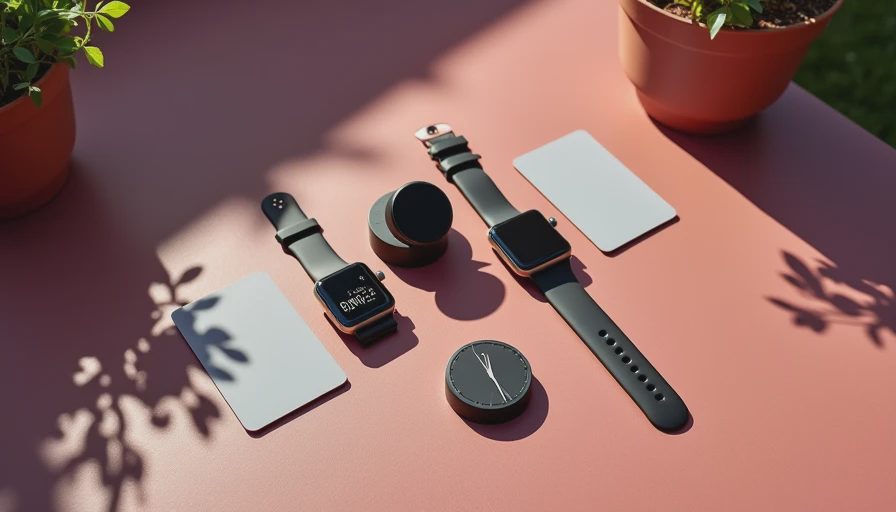
How I ran this smartwatch comparison
I charged every device fully, recorded the starting percentage, and used each watch for at least two weeks before taking notes. Each test included daily notifications, a minimum of three workouts, overnight wear, a few phone calls, and at least one day away from a charger. I also repeated outdoor GPS routes rather than judging location accuracy from a single walk around the block.
For battery testing, I tracked time from 100 percent to below 15 percent under normal use. I did not disable every useful feature to create an impressive number. That means the results reflect real behavior: screen checks, vibration alerts, sleep tracking, and occasional GPS. A manufacturer claiming “up to” several days is not necessarily lying, but that number often assumes settings most owners will not keep.
Comfort received the same treatment. I wore each watch overnight and during a sweaty workout, then checked for skin irritation, strap movement, and accidental button presses. Case weight matters, but shape matters more. A thick watch can feel fine at a desk and clumsy beneath a jacket cuff or while sleeping.
Battery life changes the ownership experience
Battery life is the clearest dividing line in this smartwatch comparison. Apple Watch users should expect a daily charging habit, especially if they track sleep and exercise. The upside is fast charging and a smooth feature set. I could put it on the charger while showering and recover enough power for much of the day, but forgetting that routine had consequences.
Galaxy Watch models typically offer more breathing room. A full charge can cover a day and night for many users, though an always-on display, GPS workouts, and frequent health measurements consume power quickly. Charging speed is useful, but it does not erase the inconvenience of a watch that needs attention every other day.
Garmin is the choice for people who hate battery anxiety. Depending on the model and settings, several days or even more than a week is realistic. GPS activity reduces that figure, and larger color screens can consume more power, but the basic advantage remains. I could leave for a weekend hike without packing a proprietary charger and worrying about a dead wrist.
Fitness tracking: useful data versus decorative numbers
A smartwatch comparison should separate health information from medical diagnosis. These watches can record heart rate, movement, sleep patterns, and workout routes, but they are not substitutes for clinical care. The best device is the one that records consistently and presents trends you can understand.
Apple and Samsung are strong at making data approachable. Starting a walk, checking heart rate, or reviewing a sleep summary takes little effort. Garmin provides more training depth, including pace, recovery guidance, and activity-specific metrics. That information is valuable for a committed runner but excessive for someone who mainly wants step counts and occasional exercise reminders.
GPS results were generally good on open roads and trails, with more variation around tall buildings and dense tree cover. I care less about a single strange map than repeatability. If the same route produces broadly similar distance and pace readings, the watch is useful. If every workout requires correction, the feature becomes another chore.

Notifications, apps, and phone compatibility
The best smartwatch is usually the one that cooperates with the phone already in your pocket. Apple Watch is the natural fit for an iPhone, while Galaxy Watch and Garmin provide broader Android choices. Compatibility details change, so verify support for your specific phone before paying several hundred dollars.
Apple handles notifications with the least friction in my testing. Messages, calls, music controls, and navigation feel like parts of one system. Samsung is close and offers a lively app ecosystem, though menus can take longer to learn. Garmin keeps notifications functional rather than elegant. I could see alerts and dismiss them, but I would not choose it for extensive wrist-based messaging.
Also consider whether you need cellular service. A cellular watch can make calls and access data without the phone nearby, but it adds a monthly carrier charge and another battery demand. For most buyers, Bluetooth connectivity is enough. Spend the savings on a better strap or a protective case instead.
Which watch should you buy?
Choose Apple Watch if you use an iPhone and want the smoothest general-purpose experience. Choose Galaxy Watch if you use Android and want a bright display, broad smart features, and respectable fitness tools. Choose Garmin if workouts, outdoor navigation, and long battery life matter more than replying to messages from your wrist.
In my smartwatch comparison, there was no universal winner because the compromises are real. A runner who buys an Apple Watch may resent charging it. An iPhone owner who buys Garmin may miss deeper app integration. A casual Android user may spend too much on a specialized training watch whose extra metrics never change their routine.
Before buying, write down three daily tasks you actually expect the watch to perform. If those are sleep tracking, step counting, and notifications, a midrange model is usually enough. If they are marathon training, trail navigation, and multi-day travel, spend more on battery and GPS reliability. Test the return policy, budget for a replacement strap, and avoid paying for features you will disable after the first week.
That is the practical lesson behind this smartwatch comparison: buy for the routine you will still have after the novelty fades. I tested it. Here's what actually happened.


No letters yet — be the first to write.