Smartwatch sleep tracking is one of those features that looks scientific until you wear two watches to bed and get two completely different reports. I have done exactly that, repeatedly, using the Apple Watch Series 9, Garmin Venu 3, Fitbit Charge 6, and Samsung Galaxy Watch 6. The goal was not to crown a winner from a single night. It was to see which devices stayed useful after several weeks of charging, missed readings, restless nights, and ordinary family life.
The short version: modern watches are reasonably good at estimating when you slept and woke up. They are much less reliable at telling you precisely how much deep sleep or dream sleep you had. That distinction matters. A colorful graph can look authoritative while being built on educated guesses.
How smartwatch sleep tracking actually works
A watch cannot directly see your brain activity from your wrist. In a sleep laboratory, technicians measure brain waves, eye movement, breathing, and muscle activity with dedicated sensors. A consumer wearable usually relies on movement, heart rate, and sometimes blood oxygen readings. It combines those signals with an algorithm that predicts your sleep state.
Movement is the easiest signal to understand. If you are still for an extended period, the watch assumes you might be asleep. Heart rate helps refine that guess because it commonly falls during rest. Some watches also estimate heart rate variability, which describes small changes between heartbeats, and use skin temperature or breathing trends as supporting clues.
That approach works fairly well for a basic question: were you in bed and mostly asleep? It struggles with quiet wakefulness. Reading on a Kindle, lying still with a sick child, or staring at the ceiling can all look like sleep. This is why smartwatch sleep tracking should be treated as a trend tool rather than a medical instrument.
I also found that loose bands caused more trouble than brand differences. If the optical sensor loses consistent contact with your skin, the watch may record gaps, shorten your sleep window, or discard the night entirely.
My repeatable test for overnight accuracy
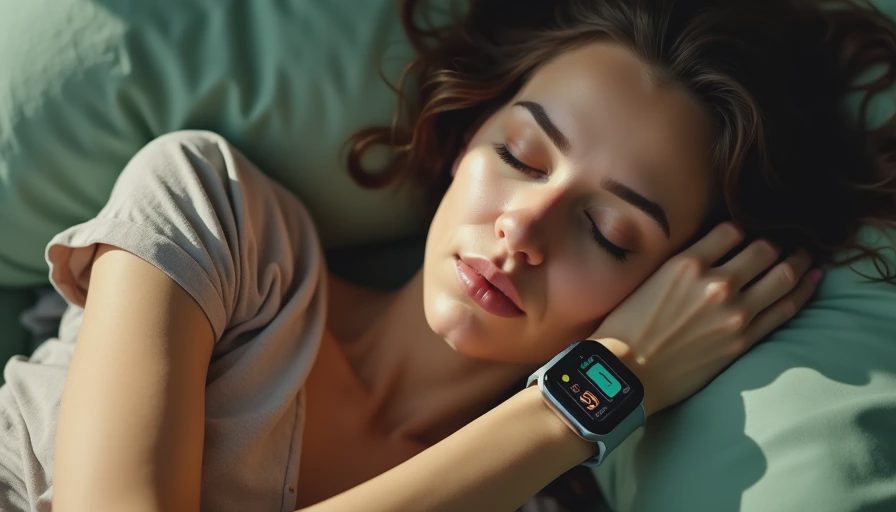
I tested smartwatch sleep tracking across 14 to 21 nights per device, wearing each watch on the same wrist position and charging it before bed. I recorded when I turned off the lights, when I believed I fell asleep, any obvious wake-ups, and when I got out of bed. I did not compare every reading with a clinical sleep study, because that would create a false sense of precision. Instead, I looked for consistent errors and useful patterns.
The Apple Watch was strong at identifying bedtime and wake time, especially when I followed a regular schedule. It sometimes split one night into several segments after a longer wake-up. The Garmin Venu 3 was similarly dependable for the overall sleep window and offered a calmer presentation of the data. Fitbit made its report easy to understand, with clear explanations and useful comparisons, although some deeper insights require a subscription.
Samsung’s Galaxy Watch 6 produced detailed stage charts, but detail is not the same as accuracy. On several nights, it reported long stretches of light sleep when I knew I had been awake. That does not make the watch useless; it means the stage labels should not be read as laboratory measurements.
The best smartwatch sleep tracking system is the one that collects data consistently without making you obsess over every ten-minute change.
Which brands offer the most useful reports?
Apple Watch works best for iPhone owners who already use Apple Health. Its sleep schedule tools are straightforward, and the Health app keeps trends in one place. The main drawback is charging. Depending on the model and your usage, you need to build a charging routine around wearing it overnight. Missing even two nights a week weakens the value of long-term comparisons.
Garmin is a better fit for people who want sleep information alongside training recovery. The Venu and Forerunner lines generally provide long battery life, which makes overnight wear less annoying. Garmin’s reports can feel busy, but the longer runtime is a practical advantage for smartwatch sleep tracking.
Fitbit remains approachable for beginners. Its sleep score gives you a quick summary, and the Charge 6 is small enough to forget while sleeping. The catch is that Fitbit places some advanced trends behind Fitbit Premium. The hardware can be affordable, but calculate the total ownership cost over two years.
Samsung is the obvious choice for Galaxy phone owners who want body composition, sleep coaching, and smartwatch features in one device. I would buy it for the broader package, not because its sleep-stage chart is uniquely trustworthy.
What the numbers can and cannot tell you
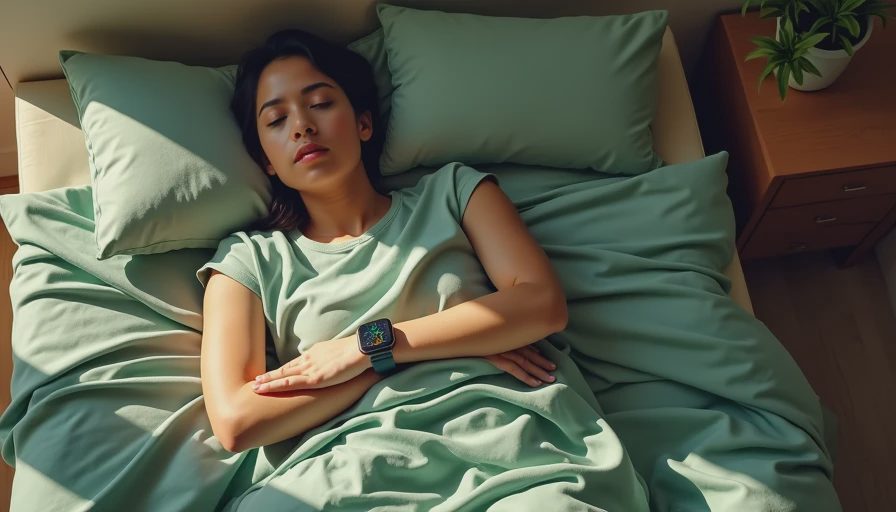
A sleep score is a summary generated from several measurements. It is not a diagnosis. A low score after a late bedtime might simply reflect six hours of sleep instead of eight. A high score does not prove that your sleep was restorative. You can feel exhausted after a night the watch calls “good,” particularly if stress, illness, alcohol, or an uncomfortable room affected you.
Sleep stages deserve even more caution. Deep sleep and dream sleep are estimated from patterns, not directly observed. Compare your own readings over time instead of comparing your deep-sleep percentage with someone else’s. The most useful question is whether a change matches your experience. If your score drops after three nights of late work and you also feel tired, the device has identified a pattern worth addressing.
Blood oxygen estimates can be helpful as a prompt to investigate repeated abnormalities, but a single low reading is not enough to interpret. Wrist fit, movement, cold skin, and sensor contact can all affect the result. Anyone concerned about loud snoring, breathing pauses, or persistent daytime fatigue should discuss those symptoms with a qualified clinician rather than relying on an app.
How to get better overnight data
Start with fit. Wear the watch snugly enough that it does not slide, but not so tight that it leaves a deep mark. Put it in the same position each night. Enable sleep mode if your device offers it, because unnecessary screen activity can disturb both you and the battery budget.
Create a charging plan before buying. I charge an Apple Watch while showering and during breakfast, while a Garmin can usually go several nights between charges. Fitbit’s smaller trackers are convenient, but their charging cables are easy to misplace. A watch that spends bedtime on the charger cannot provide smartwatch sleep tracking, no matter how impressive its algorithm sounds.
Keep notes for two weeks. Write down bedtime, wake time, caffeine after lunch, alcohol, exercise, and how rested you felt. Then compare those notes with the app. This simple record exposes whether the device is helping you understand behavior or merely giving you another notification to check.
My buying advice after weeks of testing
Choose the Apple Watch if you use an iPhone and want polished health records. Choose Garmin if battery life and training context matter more than a slick sleep score. Choose Fitbit if you want a small, friendly tracker and can accept its subscription strategy. Choose Samsung if you already live in the Galaxy ecosystem and want a feature-rich smartwatch.
Do not buy any of them expecting a sleep laboratory on your wrist. Smartwatch sleep tracking is most valuable when it highlights repeatable patterns: a shrinking sleep window, frequent awakenings, or a connection between late workouts and restless nights. It is least valuable when you treat every stage estimate as a verdict about your health.
After years in product testing, my rule is simple: use the watch to ask better questions, not to manufacture certainty. Spec sheets are free. Truth takes a few weeks.


No letters yet — be the first to write.