Most earbuds sound impressive for the first ten minutes. The harder question is whether they still fit comfortably, cancel noise consistently, and hold a charge after several weeks. In this anc earbuds review, I compare what matters in daily use rather than repeating manufacturer claims. I tested current models from Sony, Bose, Apple, and Anker during office work, family noise, highway travel, and weekend walks around Reno.
I spent eight years testing consumer electronics in a corporate quality lab, and my process is deliberately unglamorous. I used the same phone, the same streaming tracks, the same podcast recordings, and the same listening levels for each pair. I also wore every model long enough to find the small annoyances that disappear during a rushed launch-day review. Spec sheets are free. Truth takes a few weeks.
What this anc earbuds review tested
Active noise cancellation, or ANC, uses microphones and electronic processing to reduce outside sound. It is strongest against steady low sounds such as airplane engines, air conditioners, and road rumble. It is less effective against a child calling from the next room, a barking dog, or a sudden car horn. That distinction matters because many buyers expect silence when the technology is really designed to reduce a narrower category of noise.
For each pair, I tested five areas: isolation, sound quality, microphone performance, comfort, and battery behavior. I used a repeating train-cabin recording at a fixed volume, then checked the result against real background noise from a busy coffee shop and a home office. I did not treat the loudest setting as automatically best. A useful mode should reduce noise without creating pressure, hiss, or an unnatural underwater effect.
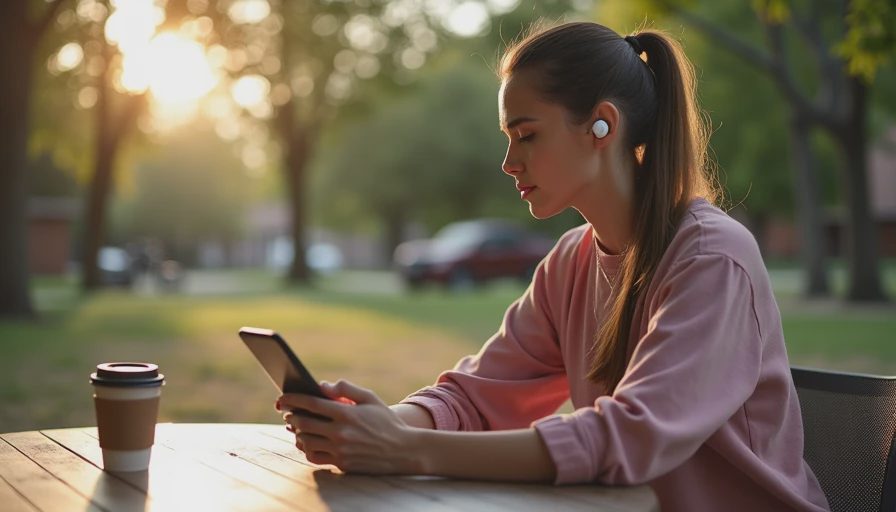
Noise cancellation in real life
The strongest models in this anc earbuds review were the Bose QuietComfort Ultra Earbuds and Sony WF-1000XM5. Both reduced low-frequency engine noise dramatically, although neither removed speech completely. Bose had the more immediate effect on airplane-style rumble. Sony sounded slightly quieter in my office because its adaptive processing adjusted more smoothly when I moved between rooms.
Apple's AirPods Pro 2 remained the easiest recommendation for iPhone owners. Its cancellation was not always the absolute strongest, but transitions between transparency and cancellation felt natural. Transparency mode is the setting that passes outside sound through the microphones, and Apple's version was the least distracting while talking with my kids or listening for a doorbell.
Anker's Soundcore Liberty 4 NC delivered surprisingly good reduction for its typical lower price. It did not match Bose on deep rumble, and its processing produced more audible hiss in a quiet room. Still, someone moving from basic wired earbuds would notice a major improvement. This is where an honest anc earbuds review should separate “best” from “best for the money.”
Sound quality and useful controls
Sound is personal, but repeatable comparisons still help. I used acoustic guitar, bass-heavy electronic tracks, spoken podcasts, and dense rock recordings. The Sony pair offered the most balanced presentation, with bass that had weight without covering vocals. Bose emphasized warmth and low-end impact, which worked well for movies but made some spoken material less crisp.
The AirPods Pro 2 produced clear vocals and strong spatial audio with compatible Apple content. Spatial audio creates a wider, more directional presentation, but I preferred standard stereo for music during walks. Soundcore offered plenty of bass and a useful equalizer in its app. The app lets you adjust frequency ranges, save a custom profile, and change touch controls, which adds real value at the price.
Controls also separate good earbuds from frustrating ones. Physical clicks on Bose avoided accidental taps, while Sony's touch controls worked reliably after I learned the gestures. The Soundcore controls were responsive but occasionally triggered when I adjusted the fit. That sounds minor until you do it repeatedly on a commute.
Call quality and connection reliability
A great anc earbuds review cannot ignore phone calls. I made calls indoors, beside a moderately busy road, and while walking in wind. The AirPods Pro 2 gave the most consistently natural voice to the person on the other end. Sony was close in a quiet room but sounded more processed outdoors. Bose reduced background noise effectively, though my voice sometimes seemed thinner.
Connection stability was strong across all four models with a recent iPhone and Android phone. Multipoint Bluetooth, which lets earbuds stay connected to two devices, was especially useful on Sony and Soundcore. I could pause music on a laptop and answer a phone call without opening the charging case. Apple's automatic switching was smoother inside its ecosystem, but it is less flexible if your devices come from different brands.
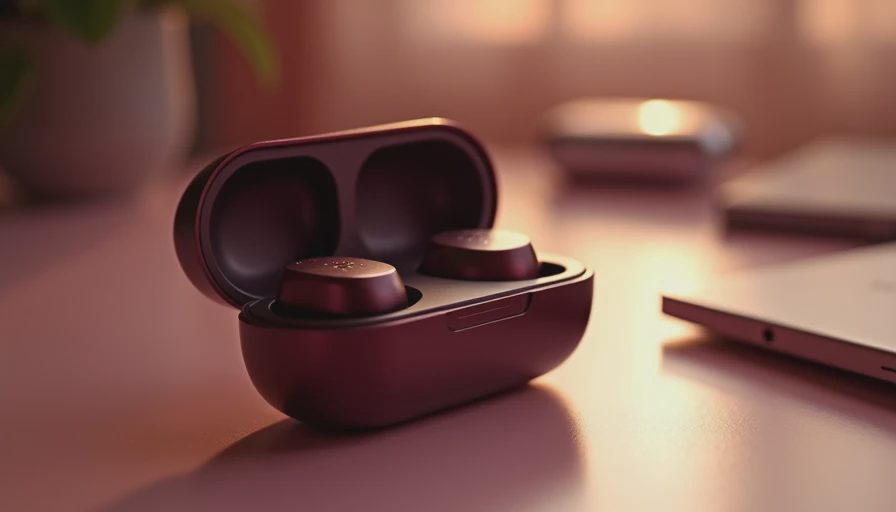
Comfort, fit, and battery life
Comfort is the category most short reviews mishandle. I wore each pair for a two-hour work session, a 45-minute walk, and an evening of reading. Bose created the most secure seal but felt bulky in smaller ears. Sony was lighter and stayed comfortable longer, though its foam-tipped design requires careful insertion. AirPods were the easiest to wear casually, especially for people who dislike a deep seal.
Battery testing started with every case fully charged. I streamed at a moderate volume with noise cancellation enabled and checked playback at regular intervals. Actual results landed below some box claims, which is normal because advertised figures often exclude certain settings. Sony and Soundcore provided enough daily endurance for work and commuting, while Bose required more frequent case charging. AirPods remained convenient because the case integrates easily with Apple's charging accessories.
Fit changes battery results too. A loose seal makes cancellation work harder and can encourage higher volume, draining the earbuds sooner. I recommend trying the supplied tip sizes before judging performance. A correct seal often improves bass, isolation, and comfort more than switching between two expensive models.
Which earbuds should you buy?
Choose Bose QuietComfort Ultra if maximum low-frequency noise reduction is your priority and the larger shape fits your ears. Choose Sony WF-1000XM5 if you want the strongest overall balance of sound, customization, multipoint use, and compact design. AirPods Pro 2 make the most sense for iPhone households that value seamless pairing, transparency mode, and reliable calls.
Soundcore Liberty 4 NC is the value pick. It gives you effective cancellation, strong app controls, and useful battery life for much less than premium competitors. Its microphones and quiet-room hiss reveal the lower price, but those compromises are reasonable for commuting, studying, or office work. This anc earbuds review found no universal winner; the right choice depends on your phone, ears, and tolerance for trade-offs.
Final buying advice
Before buying, identify the noise you actually need to reduce. Airplane travelers should prioritize low-frequency cancellation and a stable seal. Office workers may care more about transparency and microphone quality. Android users should confirm app support and multipoint behavior, while iPhone users should consider whether automatic switching saves enough daily friction to justify Apple's price.
Buy from a retailer with a clear return window, then test the earbuds for at least several days. Listen at moderate volume, make calls outside, wear them for an uninterrupted hour, and test every tip size. If the fit hurts or the controls annoy you during normal life, a perfect laboratory score will not rescue the purchase. My final anc earbuds review conclusion is simple: buy the model that solves your loudest everyday problem, not the one with the longest feature list.
No letters yet — be the first to write.