Thirty Days Is Long Enough to Know
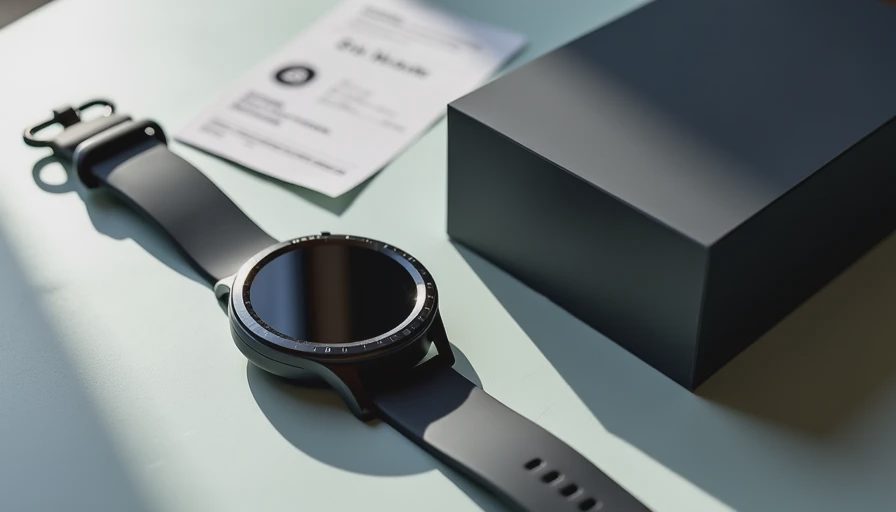
I bought the Galaxy Watch 8 Classic with my own money and wore it every day for a full month. No review unit, no special firmware, no skipping the annoying parts. At the end of thirty days I boxed it up and sent it back.
That decision surprised me. On paper the watch is strong: classic rotating bezel, bright display, solid build, full Samsung health feature set. First-week reviews mostly celebrated those strengths. Living with it revealed a different list—small daily frictions that never appeared in the launch coverage but compounded until the watch felt like work instead of a tool.
Spec sheets are free. Truth takes a few weeks.
Battery Life: The Claim Versus the Wrist
Samsung’s endurance numbers looked realistic in the controlled tests I ran during week one. Mixed use with always-on display off and moderate notification load delivered close to the advertised two days. Once I enabled the features most people actually want—always-on display, continuous heart-rate, sleep tracking, and denser notifications—the watch settled into a firm one-day cycle.
By day 12 I was plugging it in every night without exception. That is acceptable for many users. It is not the flexible “wear it hard and charge every other day” experience the early reviews implied was routine. The gap between the clean test numbers and the feature-heavy daily reality is the first reason the watch started to feel high-maintenance.
Sleep Tracking: Pretty Graphs, Inconsistent Nights
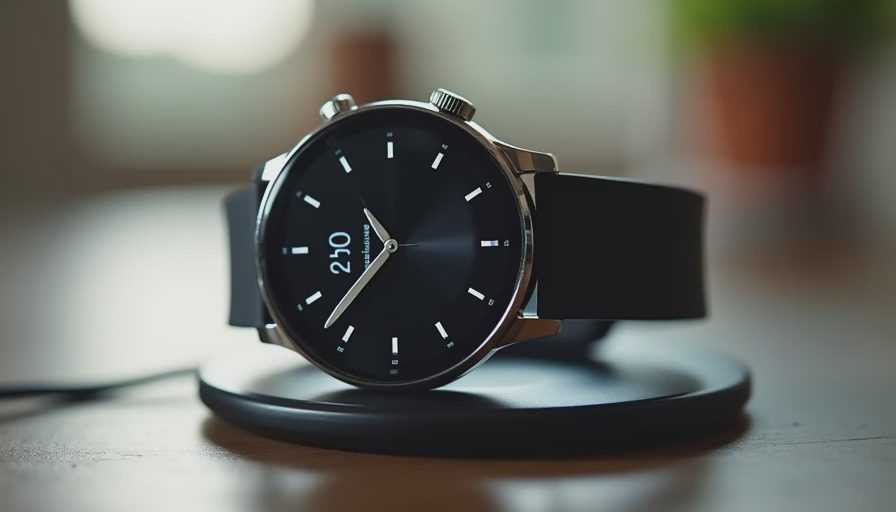
The sleep charts are attractive and the staged breakdown looks authoritative. After a month of side-by-side comparison with a dedicated tracker and simple manual notes, the consistency was only average. Several nights the watch recorded significantly more deep sleep than I felt, and a few restless nights were scored more generously than they deserved.
Awake periods were sometimes missed when I sat up reading. The watch is fine for spotting broad trends. It is less reliable for the precise sleep-debt decisions some people want to make. First-week coverage largely accepted the graphs at face value. Longer use made the limitations clearer.
The Rotating Bezel and Daily Ergonomics
The mechanical bezel is satisfying in short demos. Over thirty days it became one of the mixed blessings. It is precise for scrolling long lists and useful with wet or gloved hands. It also adds bulk and catches on jacket cuffs and long-sleeve shirts more often than I expected. The extra weight is noticeable during workouts and while typing.
After two weeks I found myself reaching for a lighter watch on rest days. That is not a failure of the bezel concept. It is the difference between liking a feature in a store and living with its physical cost.
Software Friction That Adds Up
A few smaller behaviors only became obvious with time:
Notification management is powerful but requires more tapping and dismissing than I wanted on a wrist-worn device.
The full Samsung Health app ecosystem is deep, yet several insights felt repetitive or slightly delayed.
Wireless charging is convenient, but the watch has to sit just right on the puck; small misalignments happen often enough to be annoying at night.
Cross-compatibility with a non-Samsung phone is functional, yet a few features remain clearly second-class.
None of these issues are catastrophic. Together they created a low-grade sense that the watch demanded more attention than it returned.
What Still Impressed Me
The display remains excellent outdoors. Build quality is high. The rotating bezel, when you are actively using it, still feels premium. Fitness tracking for runs and rides is accurate enough for most training decisions. Samsung’s health feature set is ambitious. The launch reviews were not inventing the strengths. They simply stopped looking once the strengths were confirmed.
Why It Went Back
After thirty days the Galaxy Watch 8 Classic felt like a very good watch that never quite got out of its own way. Battery life under real feature load was ordinary. Sleep data was directionally useful but not precise enough to trust completely. The physical design that looked distinctive on day one became a minor daily tax. Software depth came with software overhead.
I wanted a watch I could forget about until I needed it. This one kept reminding me it was there. That is the quiet test most launch reviews never run.
I will keep watching the software updates. If a future firmware meaningfully improves the battery curve or notification load, I may revisit it. For now the box is closed and the return label is printed. Sometimes the most useful 30-day result is knowing what not to keep.


No letters yet — be the first to write.