
The bose quietcomfort 45 headphones are worth considering if comfort and noise reduction matter more to you than having the latest features. They’re an older model, so the deal depends heavily on price and condition. I’d compare them with the Bose QuietComfort Headphones for shoppers who want a newer Bose option, and the Sony WH-1000XM5 for those willing to consider a different fit and feature set. This is a buying guide, not a long-term tested review.
The QC45’s appeal is straightforward: an over-ear design, effective active noise cancellation, physical controls, and a foldable frame. The catch is that a discounted or used pair may come with worn cushions or a battery that has already seen years of charging. A low price isn’t a bargain if you immediately have to spend money bringing the headphones back into shape.
How the bose quietcomfort 45 headphones fit into the market
Bose positions the QC45 as a travel-friendly, noise-canceling headphone. Active noise cancellation uses microphones and processing to reduce unwanted sound; it doesn’t make the world disappear. Expect the greatest benefit with steady sounds such as engine or ventilation noise. Voices and sudden noises can still get through.
The QC45 offers a noise-canceling mode and an Aware mode that lets outside sound in. That’s useful when you need to hear an announcement without taking the headphones off. One limitation worth knowing: there isn’t a simple setting that turns both noise cancellation and Aware mode off while continuing normal wireless playback.
The newer Bose QuietComfort Headphones are a sensible comparison if the price gap is small. They add features including adjustable noise cancellation, but you should check the exact listing rather than assume every Bose model works the same way. If your main concern is a simple, comfortable pair for flights and office work, the older model may still make sense at a meaningful discount.
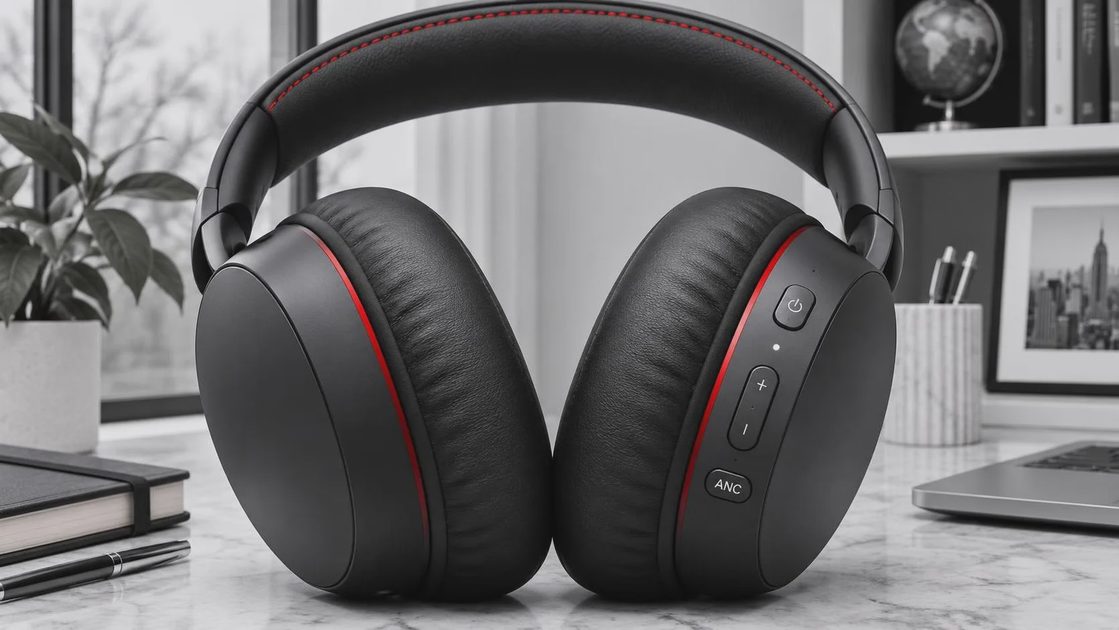
Sony’s WH-1000XM5 is another option for frequent travelers who want strong noise cancellation and a broader set of controls. Its design does not fold down in the same way as the QC45, which matters if your bag is already full. Fit is personal, so try both if possible: a headphone that looks compact on a shelf can feel very different after an hour with glasses on.
Comfort, controls, and sound
The QC45 uses physical buttons rather than relying entirely on touch gestures. That’s a practical advantage if you want to adjust volume or pause audio without looking at your phone. It’s also worth checking those buttons on a used pair: they should press and release cleanly, without sticking or requiring unusual force.
Comfort depends on more than the softness of a cushion. Put the headphones on for at least 20 minutes, preferably with the glasses or earrings you normally wear. Move your jaw, turn your head, and notice whether the cups press against your ears. A good seal matters for noise cancellation, too; thick glasses frames or a poor fit can let more sound in.
Bose provides an equalizer in its app, so you can adjust the sound rather than accept the default tuning. Start with a familiar track at a comfortable volume, then make small changes. If you need extreme adjustments to enjoy voices or bass, that’s a sign to try another headphone instead of assuming software can fix every preference.
For calls, don’t judge microphone quality from a quiet room alone. Record a voice memo or call someone from a room with a fan running, then ask whether your words remain clear. Headphone microphones can handle steady background sound differently from sudden speech or wind. If calls are your priority, use the seller’s return window to check your actual work environment.
Battery, connections, and daily use
Bose rates the QC45 for up to 24 hours of battery life. Treat that as a manufacturer claim, not a promise for a used pair or for every listening volume. Battery age, volume, and settings can change the result. A sensible check is to charge the headphones fully, note the starting time and battery level, and use them at your normal volume over several sessions. Keep the conditions consistent if you compare them with another pair.
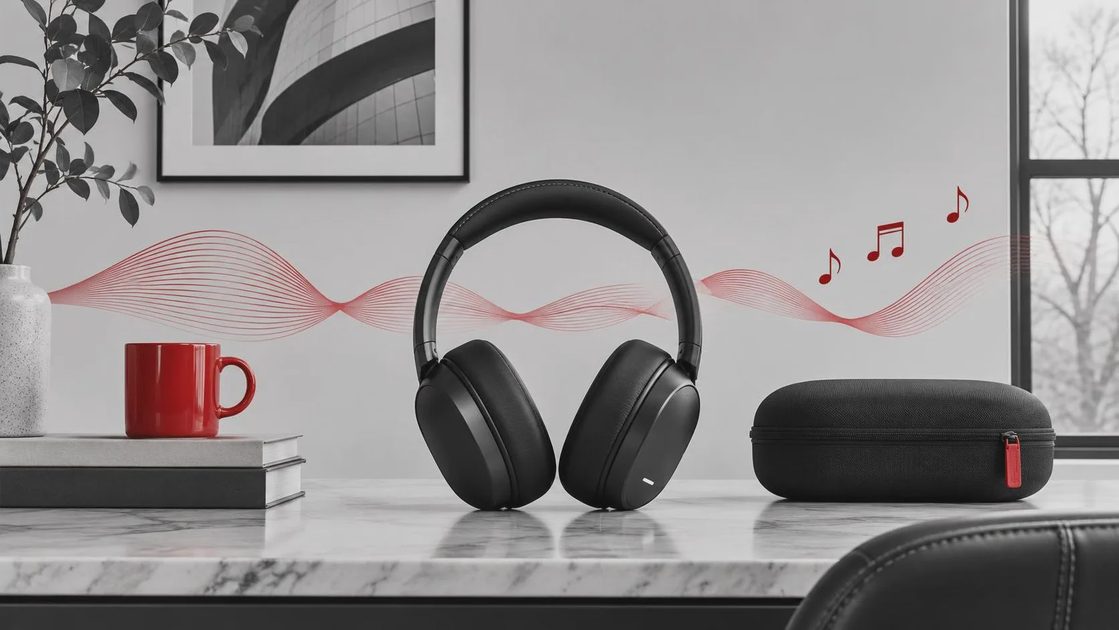
The headphones charge over USB-C and can also be used with a wired audio cable. Check that the cable is included if you need it: the headphone-side connector is smaller than the standard headphone plug found on many audio devices. Wired use can be handy with an airplane entertainment system, but confirm what adapter your particular airline’s seat requires.
The QC45 can connect to two Bluetooth devices at once, which is useful if you switch between a laptop and a phone. Before relying on that at work, try a meeting and a phone call with both devices connected. Device switching can depend on the apps and hardware involved, so the cleanest setup on paper isn’t always the one that behaves best on your desk.
What to inspect before buying
For a used or refurbished pair, ask for clear photos of the ear cushions, headband, hinges, and charging port. Peeling cushions are replaceable, but factor the cost into the deal. Cracks around a hinge are a more serious concern because they affect the frame itself. Check that both earcups adjust smoothly and that neither side cuts out when the headband is moved gently.
Confirm that the headphones pair, charge, and play from both sides. Test noise cancellation in a consistent spot, such as beside the same fan, and switch between modes. Listen for persistent crackling or a major imbalance. Also ask whether the carrying case and audio cable are included; replacements add to the real cost.
Finally, compare the full price, including shipping and any replacement cushions, with a new alternative. I’d favor a new pair with a warranty when the gap is narrow. The QC45 earns its place when the discount is substantial, the condition checks out, and you value its comfort and folding design more than the newer model’s extras. Spec sheets are free. Truth takes a few weeks.


No letters yet — be the first to write.