The best wireless headphones are not automatically the newest, loudest, or most expensive pair on a retailer's page. I spent weeks testing leading models at home, in noisy coffee shops, on family walks, and during long editing sessions. I measured battery behavior, connection reliability, microphone quality, comfort, and how well noise canceling worked outside a quiet demonstration room. This is not an embargo-day roundup. It is what happened after the honeymoon period ended.
My testing background matters here. I spent eight years in a corporate quality lab evaluating consumer electronics before starting this blog. I still approach headphones with a repeatable routine: the same playlists, the same phone, the same walking route, and several hours of wear before making a judgment. Spec sheets are free. Truth takes a few weeks.
How I test the best wireless headphones
I begin with a full charge and pair each model with an iPhone and an Android phone. I walk between rooms, leave the phone on a desk, and watch for dropouts. Bluetooth range claims are made in open conditions; real homes contain walls, routers, laptops, and other interference. A pair that works perfectly at six feet can still stumble in a crowded apartment.
For battery testing, I stream at a comfortable volume with noise canceling enabled, then repeat the run with it disabled. I do not treat a manufacturer's maximum figure as a promise. Many brands quote playback with features switched off and volume set unusually low. The result is useful for comparison, but your own listening habits remain the deciding factor.
Calls receive their own test. I record voice notes outdoors, beside a running kitchen fan, and in a quiet room. Clear playback is not enough if the microphone turns every gust of wind into static. I also test the controls repeatedly because a beautiful touch panel is not helpful when a winter hat triggers random commands.

Sound quality matters more than a giant feature list
The best wireless headphones should make familiar recordings easier to enjoy, not merely louder. I use acoustic tracks for vocal placement, dense rock for separation, podcasts for speech intelligibility, and electronic music for bass control. The important question is whether the headphones remain balanced when the song becomes busy.
Sony's WH-1000XM5 remains an easy recommendation for listeners who want a warm, relaxed presentation and strong noise canceling. Bose's QuietComfort Ultra offers an expansive, comfortable listen, although its spatial audio feature is not equally convincing with every recording. Apple's AirPods Max still produces excellent detail and integration with Apple devices, but its weight and case design make it less practical for some travelers.
The best wireless headphones for a neutral listener might be different. Sennheiser's Momentum 4 tends to give music a lively, detailed character and usually delivers impressive endurance. It is not as compact as some rivals, and its controls require a little adjustment, but it sounds less generic than many mainstream alternatives. EQ, or equalization, can help shape bass and treble, but it cannot fix a fundamentally uncomfortable fit.
Noise canceling, transparency, and real-world comfort
Noise canceling reduces outside sound by creating an opposing signal. It is most effective against steady low sounds such as airplane engines, air conditioners, and train rumble. It is less magical with sudden voices, dishes, or a child asking a question from three feet away. The best wireless headphones reduce fatigue, but they do not make a busy room disappear.
I test transparency mode while walking and talking. The useful models sound natural enough that I do not feel sealed inside my head. Bose is particularly strong for comfortable long sessions, while Sony gives users extensive control through its app. Apple remains convenient for people already using an iPhone, especially when switching between a phone, tablet, and laptop.
Clamping force is where many first-day reviews fall short. I wear each pair for a minimum of two hours, then check pressure around my temples and heat under the ear pads. A lighter model can be a better purchase than a technically superior heavy one if you use it for work every day. Glasses also change the seal, bass response, and comfort, so I test with them on.
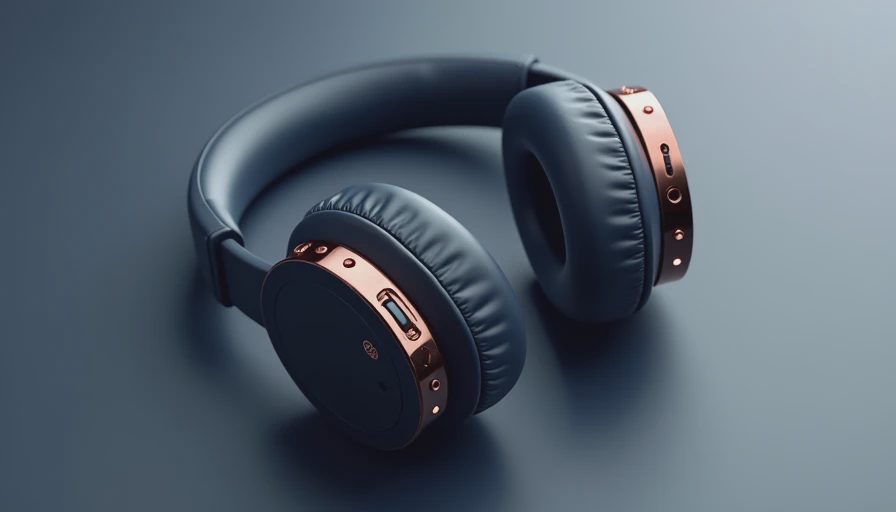
My current recommendations by type of listener
The best wireless headphones for frequent flyers are the Bose QuietComfort Ultra and Sony WH-1000XM5. Both handle continuous engine noise well, fold for travel, and provide dependable controls. Choose Bose for a softer fit and Sony for deeper app customization and a slightly more energetic sound.
For Apple households, AirPods Max is the smoothest software experience, but its price deserves scrutiny. AirPods Pro 2 earbuds are often more practical for commuting and exercise. If you want one over-ear pair rather than earbuds, compare weight and case size before assuming the Apple option is the obvious answer.
For long battery life, the Sennheiser Momentum 4 is difficult to ignore. It can run for far longer than many premium competitors in ordinary use, and its sound holds up across several genres. For a lower-cost choice, Anker Soundcore models often offer useful noise canceling and strong value, though their microphones and materials typically feel less refined than flagship alternatives.
What to check before spending $300 or more
Start with your phone. Some features work best inside one ecosystem, and multipoint pairing means connecting to two devices at once. Confirm that the model supports the operating systems you actually use rather than assuming every advertised feature transfers between iPhone and Android.
Next, consider return terms. Head shape is personal, and online measurements cannot tell you whether a headband will create a pressure spot after ninety minutes. Buy from a seller with a clear return window, keep the packaging, and test the headphones indoors before taking them on a trip.
Also inspect replacement parts. Ear pads wear, especially in warm climates, and a replaceable cable can extend the life of a headset. A $350 pair that needs replacement after two years is a worse value than a $280 model that remains comfortable and serviceable for four.
The 30-day reality check
At the end of a month, I ask whether I still reach for the product without thinking. The best wireless headphones disappear into a routine: they connect quickly, pause when needed, survive a backpack, and sound good at moderate volume. They do not demand constant charging, app troubleshooting, or a perfect seating position.
My strongest all-around picks are Sony WH-1000XM5 for balanced features, Bose QuietComfort Ultra for comfort and travel, and Sennheiser Momentum 4 for sound and endurance. None is perfect. That is the point. Choose the model that matches your phone, commute, listening habits, and tolerance for weight. If you want the best wireless headphones for your own routine, start with those four questions instead of the biggest discount banner.




No letters yet — be the first to write.