The best earbuds are not always the pair with the longest battery claim or the most dramatic launch video. I learned that during eight years testing consumer electronics in a corporate QA lab, and I have seen enough products fail after the honeymoon period to distrust a perfect first impression. For this guide, I wore each recommendation during work calls, grocery runs, bike rides, couch naps, and ordinary family chaos. I care about fit, microphone quality, connection stability, charging behavior, and whether the case still feels dependable after a month.
How I test the best earbuds
My process starts with fit because sound quality is meaningless if the seal breaks every time you chew. I use the included ear tips, then repeat the test while walking, talking, and turning my head quickly. For active-noise cancellation, or ANC, I use steady sounds such as an air conditioner, road noise, and a running fan. I also test voices, because many earbuds reduce engine hum well but struggle with conversations nearby.
Battery testing is less glamorous than a spec sheet. I charge the earbuds fully, disable unnecessary features, and play a familiar playlist at a comfortable listening level until they shut down. I repeat that test with ANC enabled. Case endurance gets measured over several charging cycles, not by accepting the manufacturer’s total without question. A claimed 30-hour system can feel much less useful if the case is awkward, slow to recharge, or constantly loses contact with one bud.
Calls get tested from a quiet room, a windy sidewalk, and beside a busy street. I record the microphone output and listen for clipped words, muffled consonants, and aggressive noise processing. Bluetooth range is tested through two interior walls, while reconnection is checked after leaving the phone in another room. Spec sheets are free. Truth takes a few weeks.

The best earbuds for most people
For most iPhone owners, AirPods Pro 2 remain an unusually easy recommendation. The pairing process is nearly effortless, transparency mode sounds natural, and the stem design makes touch controls predictable. They are not perfect: the fit is personal, the case uses Apple’s Lightning connector on some older packages, and Android users lose several useful software features. Still, calls are reliable, and the adaptive audio options are practical rather than merely flashy.
Samsung Galaxy Buds3 Pro are a stronger choice for people using recent Galaxy phones. Their sound can be energetic without turning every cymbal into a sharp splash, and the compact shape sits securely for my daily walks. The software integration is best inside Samsung’s ecosystem, so I would not buy them solely because a store label says “premium.” They make more sense when you already own a Galaxy phone and want device switching, customization, and tighter controls.
The best earbuds under $100 often come from Anker Soundcore, JLab, and Nothing. Soundcore models frequently offer strong battery life and adjustable equalization, which lets you change the balance between bass, vocals, and treble. JLab tends to provide simple controls and useful value, while Nothing’s budget models have a distinctive design and generally clear voice reproduction. At this price, expect compromises in wind handling, case materials, or advanced noise cancellation. That is fine when the price is closer to $60 than $300.
Fit, sound, and comfort after the first week
The best earbuds should disappear during normal use. That does not mean every listener needs tiny earbuds; it means the housing should not create pressure points after an hour. I test one-ear use, side-lying comfort, and whether the buds stay put while loading bikes onto the car. A model that sounds excellent for 20 minutes but irritates your ear by lunchtime is a bad purchase.
Sound preferences are personal, but some problems are objective. Overblown bass can mask vocals. Excessive treble can make podcasts tiring. Poor tuning can turn a well-recorded acoustic track into a flat wall of noise. I compare spoken-word audio, bass-heavy electronic music, jazz cymbals, and ordinary streaming video. The best earbuds give me a clear center image, controlled low notes, and enough detail to follow voices without raising volume unnecessarily.
Tip selection matters more than many buyers expect. A loose seal reduces bass and makes ANC seem weak. A tip that is too large creates pressure and eventually causes soreness. Try every included size, then walk for 10 minutes before judging. Replacement tips from Comply or SpinFit can improve fit, but they add cost and sometimes reduce how easily the earbuds sit in their charging case.
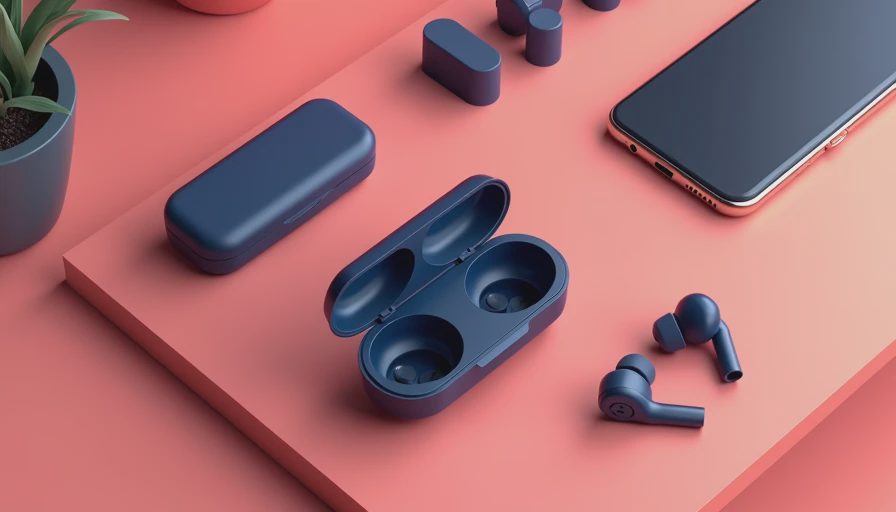
Battery life, calls, and real-world durability
Manufacturers usually measure playback under controlled conditions, often with features disabled. My results are more useful because I test with ANC, automatic pausing, and normal volume changes. A pair that lasts six hours in my test is usually adequate for commuting, workouts, and a workday with a short case recharge. A pair that lasts four hours can still work well, but frequent travelers will notice the limitation.
Call quality deserves its own buying decision. AirPods Pro 2 and several recent premium Samsung and Sony models handle quiet-room calls very well. Budget earbuds can also sound fine indoors but expose their limits in wind. I listen for whether the microphone preserves the beginning and end of words. If the other person repeatedly asks for a sentence, the earbuds are failing their most important job, regardless of an impressive driver size.
Durability comes from small details: a lid that does not wobble, magnets that hold both earbuds firmly, charging contacts that resist grime, and a USB-C port that still feels tight after repeated use. Sweat resistance is not the same as waterproofing, and an IP rating does not protect a case from rain unless the case has its own rating. I wipe workout earbuds after use and never leave them baking on a car dashboard.
Choosing between premium and affordable models
Spend $200 to $300 when you specifically need excellent ANC, reliable multipoint connection, strong microphones, or seamless phone integration. Sony’s premium earbuds often appeal to listeners who want detailed sound and broad device compatibility. Bose is worth considering when reducing airplane or office noise matters more than compact size. Apple and Samsung make the most sense when you already live inside their respective ecosystems.
Spend $50 to $150 when you mainly stream music, take occasional calls, and want a comfortable everyday pair. This range includes some of the best earbuds for practical buyers because the basic experience is now quite good. You may give up wireless charging, advanced head tracking, or the last bit of microphone polish, but you can still get dependable sound and a useful battery.
Avoid paying extra for features you will not use. Spatial audio is entertaining for compatible movies, but it should not excuse weak stereo sound. A huge codec list does not help if your phone and streaming service do not support it. Likewise, a case battery display is convenient, not a reason to overlook painful fit.
My buying checklist before you spend
Start by identifying your phone. Then decide whether you need ANC, multipoint connection, or strong workout stability. Read the return policy, because ear shape cannot be predicted from a product photo. Check whether replacement tips and a replacement case are available. Finally, buy from a retailer with a straightforward return process and test the earbuds during the first week rather than leaving them sealed in a drawer.
The best earbuds for you should fit comfortably, reconnect without drama, and make calls understandable in the places you actually visit. That might be AirPods Pro 2, Galaxy Buds3 Pro, a Sony flagship, or a $70 Soundcore model. My recommendation is based less on launch-day excitement than on what remains pleasant after 30 days. I tested it. Here’s what actually happened: reliability beats a long feature list every time.

No letters yet — be the first to write.