Buying true wireless earbuds is easy. Buying a pair that still fits, charges, and sounds good after six months is harder. I spent weeks testing current models during calls, grocery runs, workouts, family hikes, and long editing sessions. This is not an unboxing roundup built from two hours with each box. I tested how true wireless earbuds behave after the novelty wears off.
My baseline was simple: reliable connection, comfortable fit for at least 90 minutes, clear voice pickup, useful battery life, and sound that did not require constant equalizer adjustments. I also carried each pair in a pocket, used the case one-handed, and tested the controls with cold, slightly damp fingers after a bike ride. Spec sheets are free. Truth takes a few weeks.
What separates good earbuds from expensive earbuds
The biggest mistake is treating price as a shortcut to quality. A $250 pair can have excellent noise cancellation and still be miserable if the ear tips work loose. A $70 pair can sound surprisingly good but fall down on microphone quality or case durability. The winning product is the one that performs consistently across your actual day.
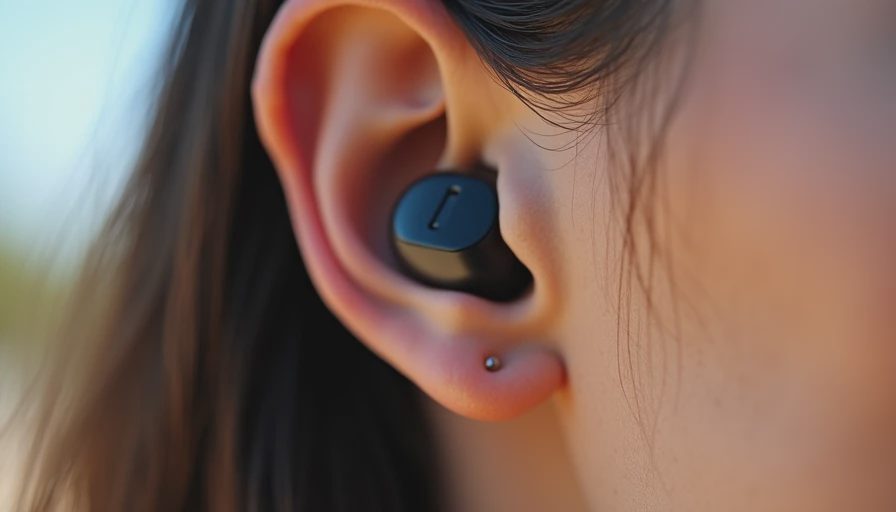
Fit comes first. I test three or four tip sizes, walk stairs, chew, and lie on one side for several minutes. If an earbud slowly creeps out during those movements, it does not matter how impressive its bass sounds. The Apple AirPods Pro 2 remain an easy recommendation for iPhone owners because their shape, pairing, transparency mode, and device integration work together. Android users should not assume the same experience; features and controls can be more limited outside Apple's ecosystem.
For Android, the Sony WF-1000XM5 offers strong sound customization and effective noise cancellation, while Bose QuietComfort Ultra Earbuds are a compelling choice when blocking low airplane or bus noise matters most. Neither is automatically best. Their larger housings will not suit every ear, and premium true wireless earbuds often carry more weight than budget models.
How I test battery life, calls, and connection stability
Manufacturers usually quote playback time under specific conditions, often with noise cancellation turned off. I measure battery life with noise cancellation enabled when available, medium volume, and a repeating playlist. I note the time when the first earbud shuts down, then test the case after a 15-minute top-up. That gives a more useful picture than a best-case number on a product page.
A practical pair of true wireless earbuds should cover a workday in short sessions, but the case matters just as much. If each bud lasts six hours and the case adds two or three full charges, that is enough for most commuters. A case that gives only one extra charge becomes annoying on a weekend trip. I also look for a percentage display, a USB-C port, and charging contacts that do not need repeated repositioning.
For calls, I record the same sentence indoors, beside a running kitchen fan, and outdoors with moderate traffic. Microphones often sound fine in a quiet room and thin or distorted outside. The AirPods Pro 2 generally handle voice pickup well with Apple devices. Sony and Bose can also be strong, but performance depends on firmware, wind, and how the earbuds sit in your ears. I do not call any microphone universally excellent based on one indoor call.
Connection testing is less glamorous but more important. I switch between a phone and tablet, leave the phone in a jacket pocket, and walk into another room. Good true wireless earbuds reconnect quickly and avoid random pauses. Multipoint, which lets earbuds maintain connections with two devices, is especially useful if you move between a laptop and phone. It is not available on every model, and some brands implement it more smoothly than others.
Noise cancellation is useful, but it is not magic
Active noise cancellation uses microphones and processing to reduce outside sound. It works best against steady, low-frequency noise such as an airplane engine, air conditioner, or train rumble. It is less effective against a nearby child asking a question, dishes clattering, or a sudden car horn. That distinction matters when a product advertisement suggests near silence.
During testing, I compare noise cancellation with the same podcast playing at a low volume. The best true wireless earbuds let me understand speech without turning the volume up aggressively. I also check transparency mode, which feeds outside sound back through the microphones. A natural transparency mode is safer and more comfortable when walking near traffic or talking to a cashier.
Noise cancellation reduces battery life and can create a pressure sensation for some listeners. If that happens, a well-sealing passive fit with cancellation disabled may be more comfortable. Do not buy the most expensive model simply because it has the strongest cancellation. Buy the one that you can wear for an entire flight or commute.
Comfort, controls, and durability after the first week
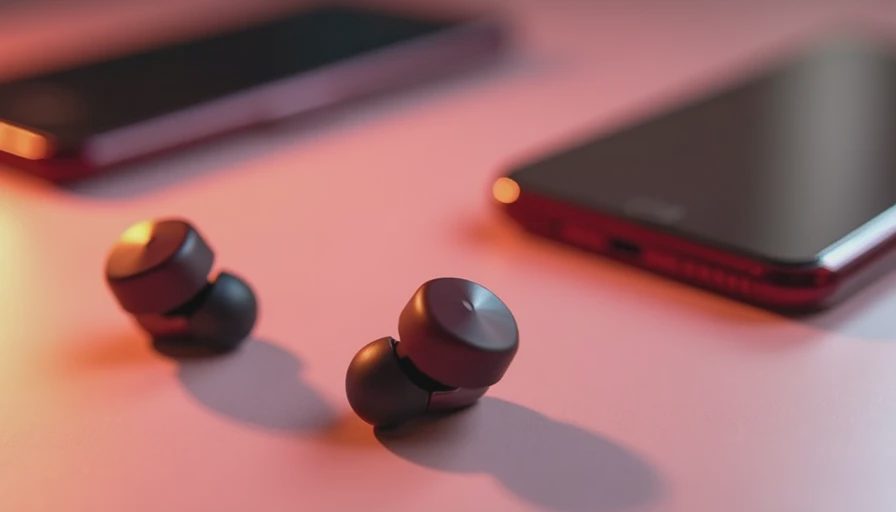
Comfort is where many reviews stop too early. I wear each pair for a 90-minute work block, then repeat the test on a walk. I look for soreness at the ear opening, pressure from the housing, and irritation caused by the tip material. Foam tips can improve isolation, but silicone tips are easier to clean and usually last longer. Replacement tips are inexpensive, yet a proprietary size can be frustrating to find.
Controls deserve the same attention. Physical buttons are easier to use when wearing gloves, while touch panels can trigger accidentally when adjusting an earbud. I test play, pause, volume, track skipping, transparency, and call answering without opening the app. The best true wireless earbuds make those actions predictable, with a clear confirmation tone and minimal delay.
Durability is not just a water-resistance rating. I inspect the hinge, magnets, charging port, and seams, then carry the case in the same pocket as keys for several days. Sweat resistance helps during workouts, but water ratings do not mean a product is safe in a pool or washing machine. Wipe earbuds after exercise and let them dry before putting them in the case. That simple habit prevents more problems than a dramatic spec sheet rating.
Which pair should you buy?
Choose AirPods Pro 2 if you use an iPhone, want seamless switching, and value a compact case and dependable transparency mode. Choose Sony WF-1000XM5 if you use Android or iPhone and care about detailed sound, adjustable controls, and strong noise cancellation. Choose Bose QuietComfort Ultra Earbuds if maximum noise reduction is your priority and their fit works for your ears.
For a tighter budget, look at models from Anker Soundcore, Samsung, and Jabra rather than assuming a discount-bin product is a bargain. Some offer excellent battery life and acceptable microphones, but app support, firmware updates, and long-term tip availability can separate a good $80 purchase from a frustrating one. Read recent owner feedback for charging failures and connection bugs, not just comments about bass.
Before buying true wireless earbuds, answer five questions: Will they work well with your phone? Can you wear them for an hour without pain? Is the case small enough for your routine? Do the microphones handle your usual calls? Is the return window long enough to test the fit? Those answers are more valuable than a small difference in codec support or maximum battery claims.
The right true wireless earbuds disappear into your routine. They connect when you need them, stay put on a walk, let you hear the world when necessary, and do not demand an app repair every few days. I test for those boring details because boring reliability is what you live with after the review hype fades. I tested it. Here's what actually happened.


No letters yet — be the first to write.