The Brightest Spec Sheet Lie in Tech
Every year the same game plays out. A new phone launches. The press deck proudly lists “2,600 nits peak brightness” or “3,000 nits for HDR.” Reviewers repeat the number. YouTube thumbnails scream “BRIGHTEST SCREEN EVER.” And then you take the phone outside on a normal sunny afternoon and suddenly the notification shade is a gray mystery and the map app looks like it was printed in disappearing ink.
I spent years in a QA lab watching this exact mismatch. We had calibrated light meters, controlled ambient chambers, and protocols that measured what the display actually delivered under real illumination—not the three-second pure-white flash the marketing team loves. The gap between the number on the box and the number your eyes care about is often embarrassing. That is why this post exists.
Spec sheets are free. Truth takes a few weeks—and a walk outside at noon.
What “Peak Brightness” Actually Measures
Peak brightness is almost always measured on a tiny portion of the screen, usually a small white window or a single highlight in an HDR clip, for a very short time. The rest of the panel can be much dimmer. Sustained brightness—the level the screen can hold across the whole display without thermal throttling or power-limiting—is frequently 40–60 % lower.
Manufacturers know this. They still lead with the peak number because it looks impressive and most reviewers never leave the office to check. In the lab we treated peak brightness as a party trick. The number that predicted real-world usability was full-screen sustained output under a fixed ambient load.
The Outdoor Test That Actually Matters
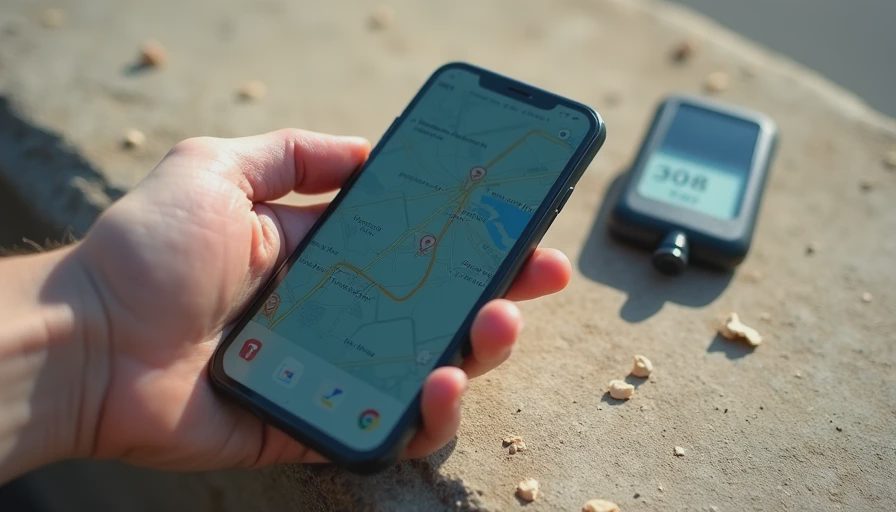
My current method is deliberately low-tech and repeatable:
Take the phone outside between 11 a.m. and 2 p.m. on a clear or lightly hazy day.
Hold it at a consistent 45-degree angle, the way most people actually look at a phone in their hand.
Set the display to maximum brightness (or the highest adaptive setting if the phone refuses to stay locked).
Open a pure white page, a map app with light UI, and the notification shade.
Note the lowest brightness level that remains comfortably readable without squinting or cupping a hand over the screen.
Measure ambient light with a cheap lux meter or a calibrated phone app so the conditions are logged.
I run the same test on every device in the same location when possible. The results are rarely kind to the flagship claims. A phone advertised at 2,500 nits peak often needs to sit at its thermal limit just to stay usable on a bright sidewalk. Meanwhile a well-tuned mid-range panel with honest sustained output and good anti-reflective coating can feel clearer.
Anti-Reflective Coatings and Why They Save Phones
Brightness is only half the fight. Reflections are the other half. A screen that pumps out serious light but turns into a mirror the moment the sun hits it at an angle is still hard to use. The best outdoor performers I have tested combine decent sustained brightness with effective anti-reflective layers and sensible auto-brightness curves that do not constantly second-guess the ambient light.
Some manufacturers still ship glossy glass that looks premium under studio lights and becomes a liability outdoors. Others have quietly improved the coatings. You will not learn which is which from the peak-nits number. You learn it by standing in the same patch of sunlight with two phones side by side.
How Auto-Brightness Lies to You
Most phones default to adaptive brightness. In theory this is helpful. In practice the algorithms are often tuned for indoor or mixed lighting and become overly cautious outdoors. I have watched devices refuse to climb past 60–70 % of their real maximum even when ambient light is screaming for more output, simply because the sensor or the software is conservative.
When I test, I force maximum brightness for the outdoor runs and also log how the auto mode behaves. The difference is frequently the gap between “usable” and “I need to find shade.”
What I Now Write in Every Review
Instead of repeating the manufacturer’s peak number, I report three things:
Measured sustained full-screen brightness under my standard outdoor conditions
The lowest comfortable readability level for maps and notifications
Whether the anti-reflective performance and auto-brightness curve help or hurt
Those three data points tell a reader far more about daily life than any nits figure on a slide deck.
The Bigger Pattern
Screen brightness is just one example of a larger problem. Marketing metrics are optimized for the press cycle, not for the person who will carry the device for two years. Battery claims, water-resistance ratings, and even camera “low-light” scores follow the same pattern. The lab taught me to ignore the headline number and measure the condition that actually appears in real use.
If a phone cannot stay readable on a sunny trail or a bright city sidewalk, the peak-nits trophy is meaningless. I will keep walking outside with every device that lands on the workbench. The numbers that survive that walk are the ones that belong in a review.
Next time I will dig into Bluetooth latency—another place where the published figures and the experience in your ears often live in different zip codes.



No letters yet — be the first to write.