The Phone That Lost to a Kid’s Tablet
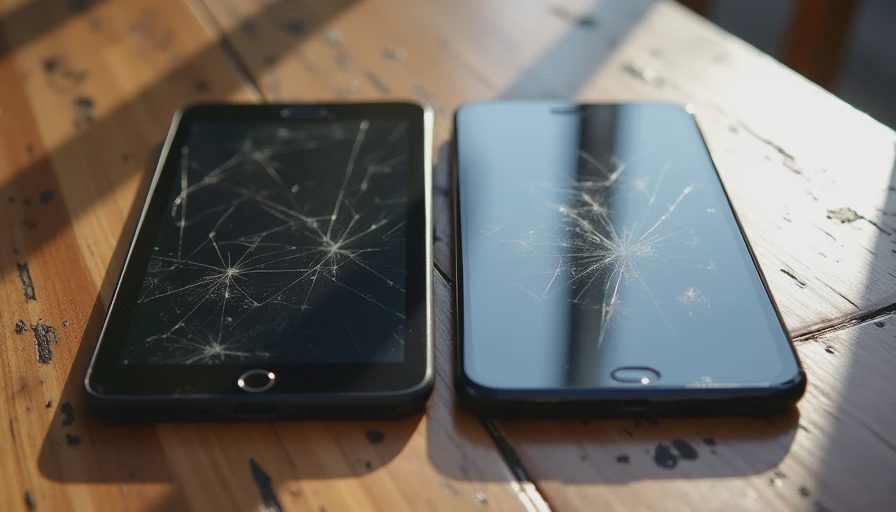
I bought a $1,200 flagship phone for myself and a $200 tablet for my nine-year-old. Same household, same rough handling, same tendency for devices to end up on the floor. Eighteen months later the tablet is still in daily rotation with a few scuffs and a screen that remains fully usable. The phone has already been through a screen repair and shows the kind of wear that makes you wince every time it leaves a pocket.
This is not a scientific lab test. It is the ordinary violence of family life: backpacks, couch cushions, the occasional dramatic drop, sticky fingers, and the complete absence of careful handling. The results are uncomfortable for anyone who assumes expensive devices are automatically more durable.
Spec sheets are free. Truth takes a few weeks—and a couple of kids.
What the Cheap Tablet Got Right
Build That Accepts Abuse
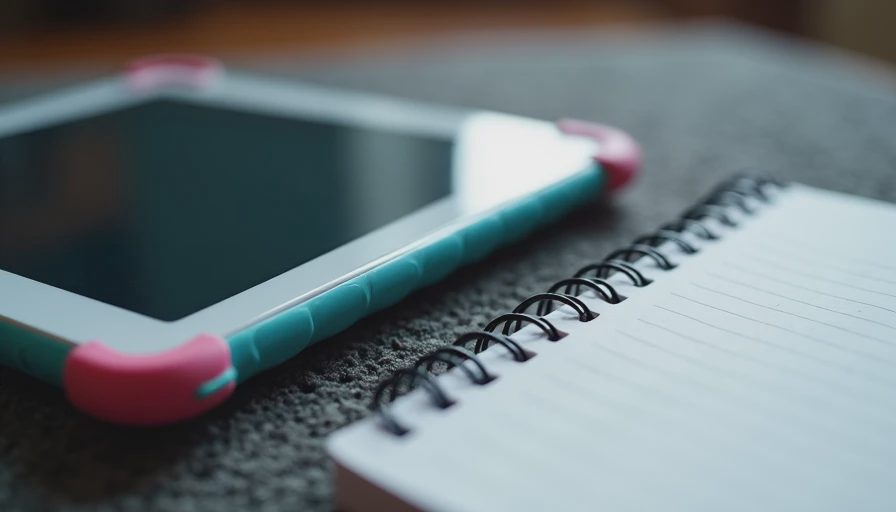
The tablet’s thick plastic shell and recessed screen were clearly designed by people who expect it to hit the floor. It has survived multiple drops onto hardwood and tile that would have cracked many premium phones. The corners are rounded and the ports are simple. There is nothing elegant about it, and that is exactly why it is still working.
Screen Priorities
The display is not bright or color-accurate by flagship standards. It is tough. The glass has taken hits that left only minor scuffs instead of spider-web cracks. A $200 device can afford to prioritize survival over the last 5 % of visual polish. Most flagship phones cannot, or at least do not.
Repair and Replacement Reality
When something eventually fails on the tablet, the replacement cost is low enough that it does not feel like a crisis. That changes how the whole family treats it. Nobody freezes when it gets left on the couch edge. The expensive phone created the opposite behavior—constant vigilance that is exhausting and still failed to prevent damage.
What the Flagship Phone Revealed
Premium phones are engineered for controlled environments and careful owners. They look and feel exceptional when new. Under sustained family-level chaos the thin glass, tight tolerances, and high repair costs become liabilities. The phone spent more time in cases and protective routines than the tablet ever did, and it still lost the durability contest.
Battery longevity has also favored the simpler device so far. The tablet’s larger chassis and less aggressive power management have aged more gracefully than the phone’s thinner, denser pack.
The Real Family Durability Factors
After watching both devices live in the same house, a few patterns stand out:
Thickness and recessed screens beat thin glass almost every time.
Replaceability matters more than theoretical toughness ratings.
Kids do not care about IP ratings when the device is sliding off a bunk bed.
The device you are afraid to damage gets used less freely, which defeats the purpose.
What This Means for Buying Decisions
If a device is going to live in a household with children, prioritize the traits that actually absorb damage and lower the cost of failure. A tough mid-range tablet or phone with a good case often delivers more real-world uptime than a fragile flagship that spends its life in a protective bubble.
I still buy nice phones for myself. I no longer pretend they are the rational choice for shared or kid-adjacent use. The $200 tablet did not win because it was high-tech. It won because it was willing to be ordinary and sturdy.
The next time someone asks why a cheap kids tablet outlasted a premium phone, the answer is simple: one was designed for life, the other was designed for the unboxing video.


No letters yet — be the first to write.