Six Months Is the Real Durability Test
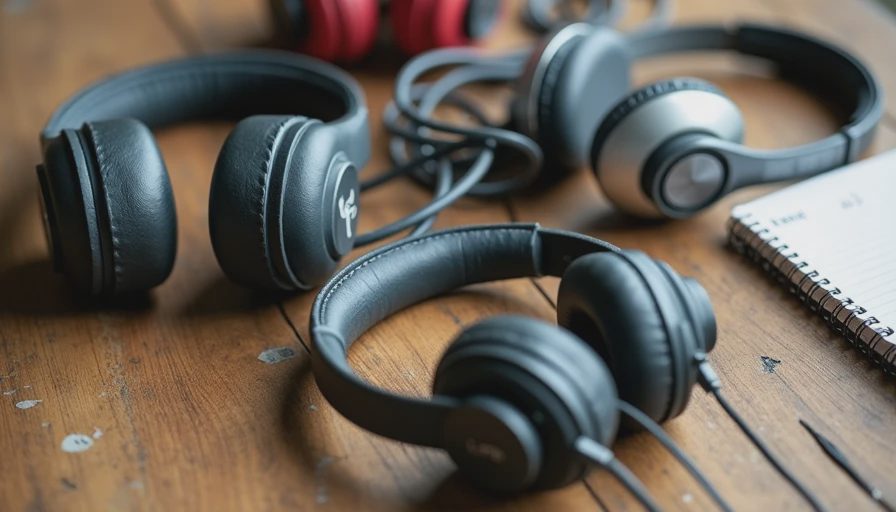
I handed several pairs of “kids” and “durable” headphones to my nine-year-old and six-year-old and then mostly stayed out of the way. No special rules beyond normal household expectations. Six months later the results were clearer than any drop-test video.
Most pairs that looked tough in the product photos did not survive real childhood. A few did. The difference was rarely the marketing language about “military-grade” materials. It was boring structural decisions: cable strain relief, hinge design, ear-pad attachment, and whether the headband could handle being shoved into a backpack five days a week.
Spec sheets are free. Truth takes a few weeks—and two kids who do not care about your review samples.
The Common Failure Patterns
After watching multiple pairs die, the same weak points kept appearing:
Thin plastic hinges that cracked after repeated folding or twisting.
Removable cables that lost contact or frayed at the jack from constant pulling.
Ear pads that detached or compressed permanently after a few months of heat and pressure.
Headbands that lost tension and started sliding down during normal use.
Bluetooth pairing that became flaky once the internal battery or antenna took a few hits.
Volume-limiting features mostly worked as advertised. Durability claims often did not.
What Actually Survived
Only a small group of headphones made it through six months of daily school, car rides, and living-room use in still-usable condition. The survivors shared a few unglamorous traits:
Strong Strain Relief and Fixed or Well-Retained Cables
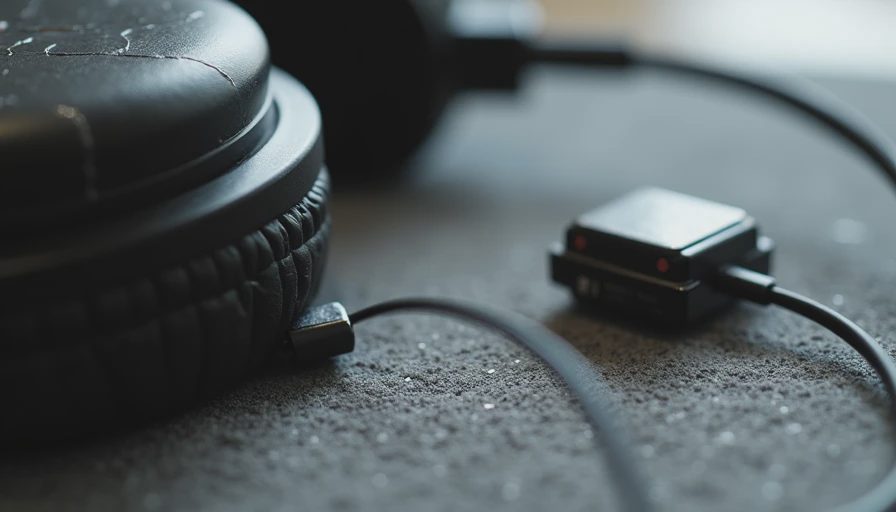
The pairs that lasted treated the cable connection as a high-stress point. Either the cable was fixed and properly reinforced, or the removable connection had a robust latch that kids could not easily destroy. Cheap magnetic or lightly friction-fit connectors failed first.
Simple, Thick Plastic Construction
Fancy slim designs looked better in photos and broke sooner. The survivors were a bit thicker, with fewer moving parts and more rounded stress points. They did not feel premium. They felt like they expected trouble.
Ear Pads That Stay Attached
Several pairs lost pads within the first two months. The ones that survived used either very secure attachment methods or pads that were cheap and easy to replace. Detachable pads sound convenient until a six-year-old loses one under the couch permanently.
Battery and Bluetooth That Tolerate Abuse
The wireless survivors kept connecting reliably even after repeated drops and stuffing into bags. Models that required frequent re-pairing or developed intermittent audio were retired early by the kids themselves.
The Short List That Earned a Keep Rating
I will not pretend any headphone is indestructible. The ones still in rotation after six months simply failed less often and failed in less catastrophic ways. They still show scuffs, tooth marks, and sticky residue. They still work. That is the actual bar for kid-proof gear.
One wired pair with a reinforced cable and simple headband has become the default school option. One wireless model with a robust hinge and decent battery life survived the backpack test long enough to become the travel pair. Everything else has been demoted to “backup” or “recycling bin.”
What Parents Should Actually Look For
Ignore most of the “kid-proof” and “ultra-durable” language. Look for:
Visible strain relief at cable entry points
Minimal hinges or clearly over-built ones
Ear pads that look difficult to remove
A replacement-parts policy or low enough price that failure is not a disaster
Real user photos from parents after months of use, not just launch-day shots
Volume limiting is still worth having. It is also useless if the headphones are broken by Thanksgiving.
The Quiet Lesson
Kid-proof is not a material. It is a design philosophy that accepts abuse as the default condition. Most consumer electronics are still designed for careful adults and then given a colorful paint job for children. The few that survive six months with Aaron and Lucy were designed differently from the start.
I will keep rotating new candidates into the house and updating the short list. For now the standard is simple: if it still works after a full school year of real use, it earns a recommendation. Everything else is just optimistic packaging.

No letters yet — be the first to write.