The first thing I learned testing kid proof headphones is that children do not use electronics like adults. They twist headbands, yank cables, leave them under couch cushions, and treat the charging port like a convenient handle. A product that feels sturdy on day one can look tired after a month of school runs and road trips. I tested these headphones around my own family, using the same practical questions I used in a Best Buy quality assurance lab: How much force can the hinges take? Does the fit stay comfortable? Is the volume control genuinely useful? And can a child operate the controls without calling for help?
What makes headphones genuinely kid proof
The phrase kid proof headphones is not a formal durability rating. Manufacturers use it loosely, so I look past the marketing language. A flexible headband matters more than thick-looking plastic because it can absorb twisting without cracking. Hinges should move smoothly but resist side loading, the force created when a child pulls one ear cup outward. I also inspect the cable connection, button placement, and ear cushions after repeated handling.
For our home test, Aaron and Lucy wore each pair during a movie, a tablet game, and a two-hour car ride. I also packed them in a backpack with books, dropped the bag from desk height, and ran the battery down across several sessions. That is not a certified laboratory drop test, but it exposes weak parts quickly. The best kid proof headphones still look and function normally after the sort of abuse that happens before breakfast.
A good fit is part of durability. If the ear cups slide off, children grab the band repeatedly, increasing stress on the hinges. Lightweight models with padded cups usually stay in place better than oversized adult headphones. Avoid choosing by color alone; bright blue plastic does not automatically mean stronger construction.
Volume limiting is useful, but do not treat it as magic
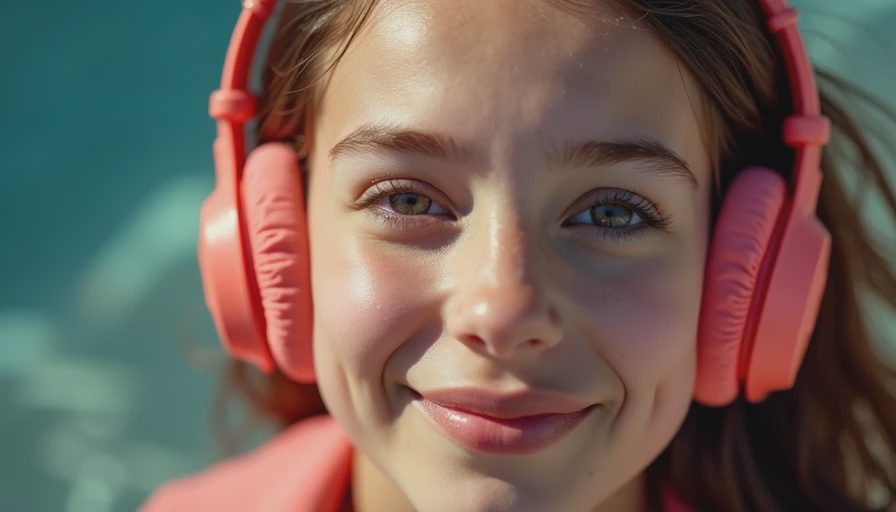
Many kid proof headphones include a volume-limiting mode, often advertised around 85 decibels. That feature can reduce risk, but the actual result depends on the device, app, and connection. Some models limit sound only in wired mode. Others have a button that switches between a safer setting and a louder one, which is easy for a child to activate accidentally.
I test volume limits with the same tablet, phone, and streaming app, then compare loudness at the ear cup using a calibrated sound-level meter. The number is not a medical guarantee, because fit and recording volume change what reaches the listener. Still, a reliable limit is better than handing a child unrestricted headphones and hoping the warning message gets noticed.
Before buying, check whether the headphones remember the safer setting after being turned off. Also inspect parental controls on the tablet or phone. Apple devices, Android tablets, and many streaming apps offer separate volume limits, and using both layers is more sensible than relying on a single switch. Teach children to remove the headphones before crossing a street or speaking with an adult.
Wired or wireless: which survives better?
Wireless kid proof headphones are convenient for car rides because there is no cable to snag on a seat belt. Bluetooth pairing is usually simple, but the battery becomes another failure point. A child may forget to charge the headphones, or the battery may be empty when the family is already at the airport. I prefer models that provide at least several hours of real playback and can still work with a cable when the battery is flat.
Wired headphones are cheaper and always ready, but the cable is a wear item. Repeated bending near the plug can cause one-sided audio or crackling. If you choose wired kid proof headphones, look for a detachable cable or a reinforced connector. A replacement cable costing $8 to $15 is much better than replacing the entire headset.
Bluetooth headphones also introduce a small delay in games and videos. Most children will not notice it during Netflix, but rhythm games and cloud gaming can expose lag. I test lip-sync with spoken video and button timing in a tablet game. For younger children, simple controls and dependable playback matter more than advanced wireless features.
Models and features worth considering
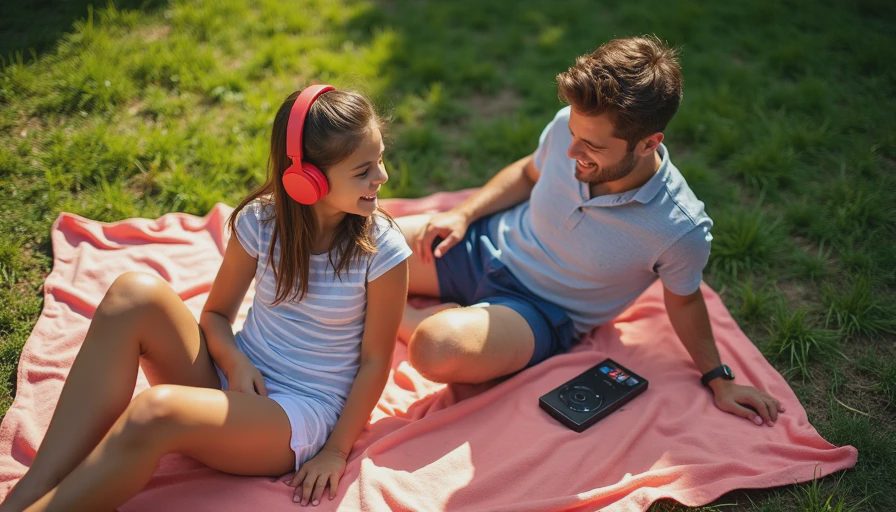
The Puro Sound Labs BT2200 remains a sensible reference point because it combines wireless playback with a volume-limiting approach and a child-sized fit. It is not indestructible, and replacement parts are not equally easy to find everywhere, but the design is more purposeful than many novelty models. JBL Junior headphones are another practical option for families that want a recognizable brand, straightforward controls, and a colorful design without paying premium adult-audio prices.
For a low-cost wired choice, the JLab JBuddies line is worth examining when the headphones will spend most of their life in a backpack. Budget pricing often means simpler padding and less impressive microphones, but that is acceptable for movies and school tablets. Avoid paying $100 or more for features your child will not use, such as elaborate noise cancellation, unless the headphones also offer noticeably better comfort and repairability.
Noise cancellation deserves caution. It can make a plane ride calmer, but it also reduces awareness of voices and surroundings. I would not use active noise cancellation around streets, parking lots, or playgrounds. For travel, passive isolation from well-fitting ear cushions is often enough, especially when paired with a reasonable device volume limit.
A buying checklist that catches weak designs
Start by measuring the child’s comfort, not the manufacturer’s age recommendation. The headband should rest securely without pressing hard, and the ear cups should surround the ears rather than sit painfully on them. Extend and collapse the band ten times before purchase. If it grinds, sticks, or feels loose, that movement will get worse.
Next, inspect the controls. A large pause button is easier for small hands than a row of identical switches. Confirm that the volume limiter works in both wired and wireless modes. Check whether the product includes a carrying case, because a soft case prevents many scratches and broken hinges in a school bag.
Finally, price the complete setup. A $25 headset that lasts three months costs more over a year than a $55 model that survives daily use. Add the cost of a replacement cable, case, or ear cushions if those parts are available. Keep the receipt and test comfort during the return window; a headphone can sound fine for ten minutes and become irritating after an hour.
My long-term verdict
After weeks of family use, the strongest kid proof headphones are not necessarily the ones with the biggest bass or the most colorful packaging. They are the pairs with flexible bands, sensible volume controls, replaceable cables, comfortable cushions, and buttons a child can understand. Durability is a system: good fit reduces twisting, a case prevents crushing, and parental controls provide a second line of defense.
For most families, I would start with a volume-limited wireless model that also accepts a cable, then add a protective case. Choose a basic wired pair for younger children who regularly lose chargers. Skip fragile adult headphones unless your child already treats electronics carefully. Spec sheets are free. Truth takes a few weeks, and kid proof headphones earn that label only after surviving real backpacks, real road trips, and real children.



No letters yet — be the first to write.