I spent 30 days using the iPhone 16 Pro as my primary phone, not as a museum piece on a review desk. That meant family photos, navigation through the Sierra foothills, long calls, Bluetooth audio, gaming, and the usual pocket abuse. This iphone 16 pro review focuses on what changed after the launch-day excitement faded, including battery behavior, camera consistency, heat, and whether the phone earns its price.
I also ran repeatable tests rather than copying Apple’s spec sheet. I charged the phone to 100 percent, recorded the same indoor and outdoor video clips, repeated a navigation route, and measured the battery at bedtime. I used the 128GB model because it is the entry configuration most buyers will actually compare. Spec sheets are free. Truth takes a few weeks.
Design and display after daily use
The iPhone 16 Pro feels smaller in the hand than the Max, but its 6.3-inch display still provides enough room for documents, maps, and video. The titanium frame is lighter than the older stainless-steel design, and that difference is noticeable when the phone sits in a pocket all day. It is not featherweight, though. Add a protective case and the package becomes substantial.
The screen is excellent for outdoor use. I checked it on bright Reno afternoons, under office fluorescents, and in a dark bedroom. Text stayed sharp, motion looked smooth, and the automatic brightness adjustment reacted quickly. The always-on display is useful for glanceable information, although I disabled it during a few battery trials because even small background drain matters when comparing phones.
After three weeks, I noticed one practical annoyance: the flat edges can press into your palm during long gaming sessions. A thin case solved that without making the phone bulky. The Action button remains handy for launching the camera or flashlight, but accidental presses are possible when the phone is squeezed into a tight jeans pocket.
Camera results, including the Camera Control button
The main camera produces excellent daylight images with natural detail and reliable skin tones. I photographed mountain-bike gear, moving children, and a dog running across a shaded yard. The phone usually captured the moment without the smeared motion that appears on many computational photography systems. The 48-megapixel ultra-wide camera is also more useful than the old secondary cameras for landscapes and close subjects.
The five-times telephoto camera is the feature I appreciated most on family outings. It lets me frame a distant subject without walking into the scene, and it gives portraits a more natural perspective than digital zoom. In dim light, however, the main camera can still deliver a cleaner image. The phone sometimes brightens shadows aggressively, so a night photo can look clearer than the scene actually appeared.
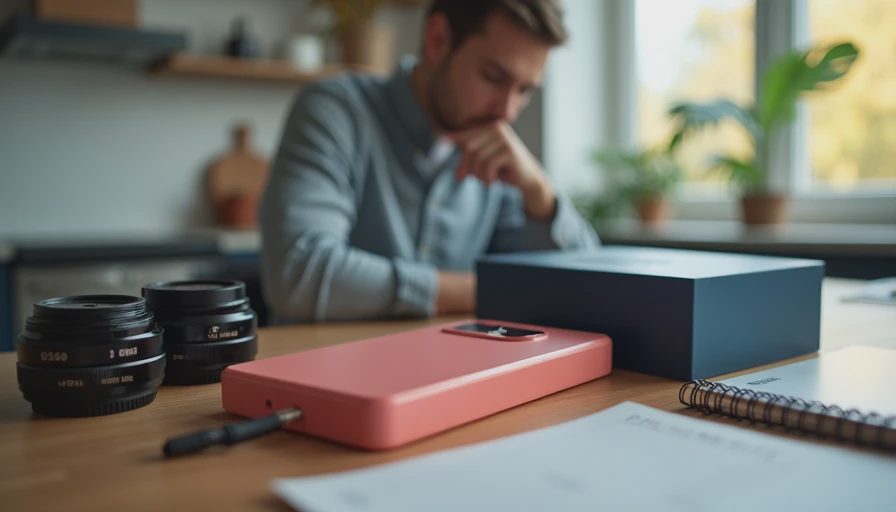
The new Camera Control button sounds gimmicky until you use it while recording video. A press opens the camera, another captures a photo, and sliding changes selected controls. I needed several days to stop brushing it accidentally, but it became a fast shortcut once my muscle memory settled. It is less valuable for people who rarely use the camera than for someone who takes frequent candid photos.
In this iphone 16 pro review, I found video quality more consistently impressive than still photography. Stabilization handled walking footage well, voices stayed intelligible in moderate wind, and switching lenses was generally smooth. Apple’s spatial video tools are interesting, but they should not be the deciding reason to buy this phone unless you already use compatible headset hardware.
Performance and heat in real workloads
The A18 Pro chip makes the iPhone 16 Pro extremely responsive. Apps open instantly, photo edits finish quickly, and demanding games maintain a stable frame rate. That is not surprising, but sustained performance is where phones separate themselves from launch-day demos. I ran a 20-minute graphics test three times, then recorded 4K video immediately afterward.
The back became warm near the camera area, especially during video recording and cellular downloads. It was uncomfortable against bare skin but never dangerously hot in my testing. A thick case made the warmth more noticeable. Normal tasks such as messaging, podcasts, and web browsing produced no meaningful heat, and the phone cooled quickly after heavy work stopped.
Apple Intelligence is a less complete reason to upgrade right now. Its usefulness depends on the software version, supported language, and which features have reached your device. I would not pay the Pro premium solely for promised artificial-intelligence tools. Buy for the hardware you can use today, then treat future software improvements as a bonus.

Battery life and charging reality
Battery life was strong but not magical. On a typical weekday with about two hours of screen use, several camera sessions, wireless earbuds, and navigation, I reached bedtime with roughly 25 to 35 percent remaining. A heavier day involving gaming, hotspot use, and 4K video pushed the phone into low-power territory before dinner.
That result is good for a compact flagship, particularly compared with smaller older Pro models. It is not a substitute for the iPhone 16 Pro Max if you regularly spend hours filming, traveling without a charger, or gaming on cellular data. The Max has more physical battery capacity, while this model wins on pocket comfort.
USB-C makes charging accessories easier to share with laptops, tablets, and other modern devices. Wired charging is not the fastest in the Android market, and a compatible high-wattage charger is not included. MagSafe remains convenient on a desk or nightstand, though magnetic accessories add cost. My practical setup was a 30-watt USB-C charger at home and a compact power bank in the camera bag.
Durability and the 30-day ownership test
I used a thin case but did not baby the phone. It rode in a backpack with keys, spent time on dusty trails, and survived several low drops from couch and countertop height. The front glass showed no visible scratches under normal inspection, and the titanium frame avoided dents. That is not a laboratory drop certification, so I would still use a case; replacing a display can erase any bargain you thought you found.
The IP68 rating means resistance to dust and water under defined laboratory conditions, not permission to take the phone swimming. After rain, muddy bike rides, and a few kitchen splashes, the charging port worked normally once dry. I never deliberately submerged it. Liquid damage remains a poor warranty gamble.
The biggest long-term issue is storage. The base 128GB capacity is adequate for a careful user who streams media and periodically moves videos to cloud storage. It fills quickly for someone recording lots of high-resolution video. Moving to 256GB costs more, but it is the configuration I would choose for a parent, traveler, or content creator planning to keep the phone for four or five years.
Who should buy it?
This iphone 16 pro review points to a clear audience. Buy it if you want a relatively manageable flagship with a great display, dependable video, a useful telephoto camera, long software support, and strong performance. It is especially compelling for people already using an iPhone whose battery is fading or whose camera lacks a dedicated zoom lens.
Do not rush to upgrade from an iPhone 15 Pro. The newer model is better in several small ways, but the display, processor speed, and general camera experience are not night-and-day improvements. Owners of an iPhone 13 Pro or older will notice a much larger jump in camera flexibility, USB-C convenience, screen brightness, and sustained performance.
Android switchers should compare more than benchmark charts. Samsung’s Galaxy S24 Ultra offers a larger screen and different zoom strategy, while Google’s Pixel line emphasizes computational photography and clean Android software. The iPhone 16 Pro makes the most sense if your household already uses Apple services, AirDrop, Apple Watch, or Mac hardware.
Final verdict
My iphone 16 pro review conclusion is straightforward: this is a refined, highly capable phone, but it is not a revolutionary upgrade. The camera system, compact size, display, video quality, and sustained speed make it one of the safest premium purchases available. The weak points are the high accessory cost, merely adequate base storage, heat during demanding tasks, and a Camera Control button that requires practice.
At its starting price of $999 before tax, the value depends on how long you will keep it. A three-year owner gets more justification than someone who trades in every year. If you want the best battery, choose the Pro Max. If you already own a recent Pro model, wait for a sale or a genuinely larger upgrade. If your current phone is four years old, the iPhone 16 Pro is an excellent move. I tested it. Here’s what actually happened.


No letters yet — be the first to write.