
Family tech durability sounds like a simple buying question: will this device survive children, pets, backpacks, and the occasional fall from a kitchen counter? After eight years testing electronics in a corporate quality lab, I know the answer is rarely found in a product's marketing copy. A rugged case helps, but the design underneath matters more. My family test puts devices through the boring, repeated abuse that happens after the unboxing video ends.
At our house in Reno, that means a tablet left beside a bowl of cereal, earbuds stuffed into a pocket, and a phone carried on a Sunday hike. Spec sheets are free. Truth takes a few weeks.
What family tech durability really means
Family tech durability is not the same as surviving one dramatic drop. A device can pass a manufacturer drop test and still develop a loose charging port after months of cable yanking. It can have a water-resistance rating but fail when a child uses it with wet hands near a sink. The useful question is how well the complete product handles repeated small stresses.
I look at four areas: impact resistance, resistance to dirt and moisture, connector strength, and repair or replacement cost. A $250 tablet with a replaceable case and inexpensive screen repair can be a better family purchase than a $700 model with a delicate glass back. I also consider whether the device remains usable after cosmetic damage. A scratch is annoying; a touchscreen that misses taps is a real failure.
For parents, family tech durability also includes software behavior. A device that becomes painfully slow after updates may not be physically broken, but it has still reached the end of its useful life. Longevity is part of durability.
How I test family tech durability in the real world
My testing starts with a baseline. I photograph each device, measure charging time, record battery capacity as reported by the operating system, and test every button, speaker, camera, and port. Then I use it normally for at least 30 days instead of creating a theatrical abuse video.
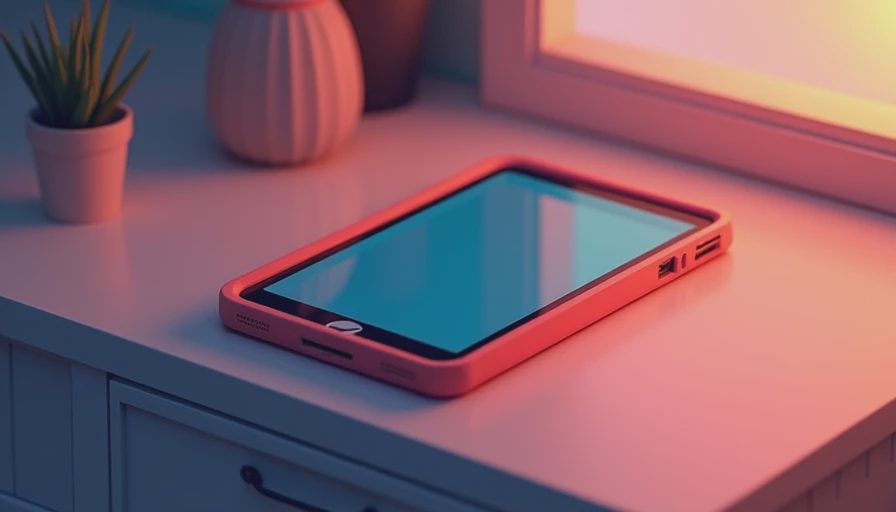
For tablets, I use a case during half the test and no case during controlled handling checks. The device goes into a backpack with keys, gets wiped with a slightly damp cloth, and is handled by my kids for school games and streaming. I do not deliberately soak electronics or throw them down stairs. That proves very little about normal ownership and can damage equipment in ways no buyer can compare.
I also perform repeatable low-height drops onto a hard floor from roughly desk and seat height, checking the frame, display, cameras, and charging connection after each round. With headphones and earbuds, I inspect hinges, ear pads, charging contacts, and microphone openings. The goal is useful family tech durability information, not a viral destruction clip.

A device earns trust when small problems do not compound. A slightly loose case is manageable. A loose USB-C port that only charges at one angle is not. I document those differences because they are the details that disappear in a first-day review.
Tablets face the toughest family tech durability test
Tablets usually receive the hardest treatment because they are shared devices. One person carries them by a corner, another presses too hard on the screen, and somebody eventually leaves one under a blanket while it is charging. The basic iPad remains attractive because its accessory and repair ecosystem is broad, but its exposed aluminum edges still benefit from a thick case. The standard iPad is not magically kid-proof.
Amazon Fire tablets often make more sense for younger children when the purchase price, included parental controls, and inexpensive replacement options matter most. Their screens and processors are not comparable to premium iPads, but a lower replacement cost changes the stress of family ownership. Samsung's Galaxy Tab models generally offer stronger displays and better multitasking at higher prices, though the right case remains essential.
I pay special attention to charging ports. A tablet that sits on a sofa may be charged dozens of times each month while a child pulls the cable sideways. Magnetic charging accessories can reduce that strain, but they add another part to lose. A short, flexible cable routed through a fixed charging station is often the more durable solution.
Phones, headphones, and chargers reveal the weak points
Phones are usually protected better than tablets, but families still expose them to pocket lint, bathroom humidity, bicycle falls, and hurried charging. Apple's iPhone models and Samsung Galaxy phones have strong glass and water-resistance designs, yet neither brand makes a phone immune to cracked screens. A case with raised edges and a screen protector remains a more sensible investment than paying for the thinnest possible case.
Headphones show a different kind of family tech durability. Large over-ear models can survive drops but fail at the hinge. Low-cost wireless earbuds may keep working after a fall while losing one charging contact because the case has been crushed in a backpack. For children, I prefer headphones with a replaceable or reinforced headband, physical volume controls, and a cable option when possible. Battery-powered products eventually become less convenient as their batteries age.
Charging accessories deserve their own inspection. Cheap cables often fail at the connector because the plastic strain relief bends repeatedly. I look for braided jackets, reinforced ends, and a warranty that covers more than a few weeks. A $15 to $25 quality cable can save the annoyance of replacing a $400 tablet because the family charging drawer is full of unreliable leads.
How to buy for better family tech durability
Start by identifying the likely failure, not the most exciting feature. If the device will travel in a backpack, prioritize a sturdy frame, case availability, and a dependable charging port. If a child will use it, look for simple controls, a screen that remains responsive under a protector, and a replacement plan that does not require mailing the product overseas.
Check the warranty language before buying. A manufacturer's limited warranty commonly covers defects, not cracked glass, liquid damage, or accidental drops. An extended protection plan can be worthwhile for a frequently handled tablet, but compare its deductible and claim limits with the replacement price. A $100 plan on a $250 tablet is difficult to justify unless it includes convenient replacement service.
Buy the case at the same time as the device. For tablets, I favor cases with a raised bezel, covered corners, a stable stand, and openings that do not block microphones. Avoid cases that trap heat around charging areas or make buttons so stiff that children press harder. Small design choices affect family tech durability more than a rugged label on a product page.
A practical 30-day family test
Before the return window closes, use the device in its intended environment. Have the child carry it, charge it, and put it away. Test the speaker during a video call, the camera after the lens has collected fingerprints, and the buttons while wearing gloves or with damp hands. Check whether the case stays attached and whether the charging cable remains secure.
At the end of the month, inspect every seam, hinge, port, and corner under a bright lamp. Compare battery performance with week one. Look for random restarts, touch dead zones, rattling parts, or earbuds that no longer seat firmly in their case. This process turns family tech durability from a vague promise into evidence you can use.
My own buying rule is straightforward: choose the device that survives ordinary inconvenience, not the one that wins a showroom comparison. Spend the money on protection where failure is expensive, and skip rugged branding that cannot explain what was actually reinforced.
The bottom line on family tech durability
Family tech durability comes from a system: a sensible device, a properly fitted case, good charging habits, and enough time to expose weak points. The best choice is not always the premium model. Sometimes it is the tablet that costs less to replace, the headphones with a stronger hinge, or the phone with readily available repairs.
I test electronics after the excitement fades because that is when ownership begins. If a product cannot handle a month of backpacks, crumbs, cables, and ordinary family hands, it has not earned a recommendation. That is the standard I use when I buy technology for Aaron and Lucy, and it is the standard I would use for your home.




No letters yet — be the first to write.