The best wireless earbuds are not always the newest pair in a dramatic launch video. After years testing consumer electronics and weeks living with each model, I care more about stable Bluetooth, comfortable seals, clear calls, and batteries that do not collapse after a month. I test earbuds on Reno sidewalks, in a noisy grocery store, during family hikes, and at my desk while switching between an iPhone and an Android phone. Spec sheets are free. Truth takes a few weeks.
My current shortlist includes the Apple AirPods Pro 2, Sony WF-1000XM5, Bose QuietComfort Ultra Earbuds, Google Pixel Buds Pro 2, and a few less expensive options from Jabra, Anker Soundcore, and Nothing. Each serves a different listener. The right choice depends on your phone, ears, commute, workout habits, and tolerance for charging cases that are larger than they need to be.
How I test earbuds beyond the first impression
A launch-day review can tell you how a product sounds for an afternoon. It cannot tell you whether the left earbud still charges in week four or whether the tips become irritating after a two-hour flight. My testing starts with a fit session using every included ear tip, followed by at least 30 minutes of walking, talking, and chewing. If the seal breaks whenever I smile, the earbud loses points regardless of its bass response.
For battery testing, I play the same podcast at a comfortable volume with noise cancellation enabled, then record playback time until the earbuds shut down. Noise cancellation, or ANC, is the feature that reduces outside sound through microphones and opposing audio. I repeat the test with ANC off because manufacturers often quote the longer number. Call testing happens outside with wind, beside traffic, and indoors near a running dishwasher. I also test multipoint connection, which lets earbuds stay connected to two devices, and latency while watching video.
Sound gets a practical test rather than a pile of frequency graphs. I use spoken podcasts, acoustic music, dense rock, electronic tracks, and quiet recordings. I listen for harsh treble, muddy bass, vocal detail, and whether the app gives me a useful equalizer. The best wireless earbuds make this process easy instead of hiding basic controls behind a confusing app.
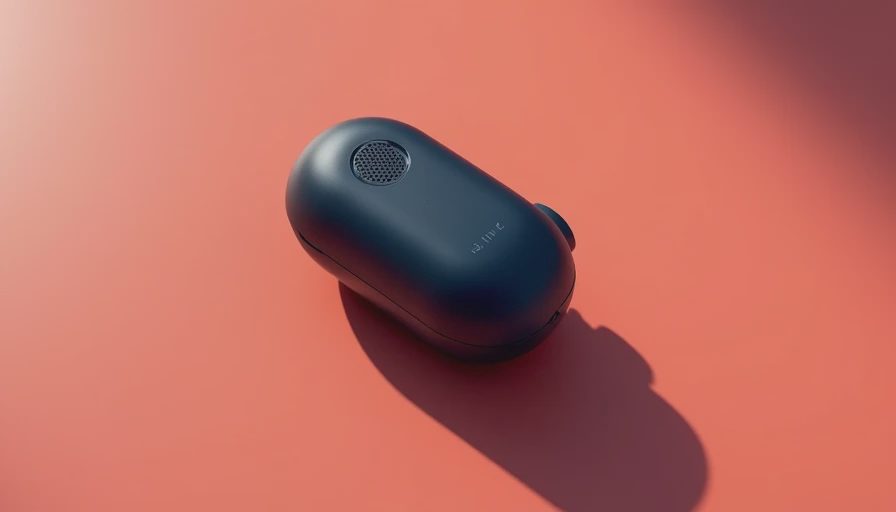
Apple AirPods Pro 2 remains the easiest iPhone recommendation
For iPhone owners, the AirPods Pro 2 is still the safest all-around purchase. Pairing is nearly instant, switching between Apple devices is reliable, and the charging case is small enough for a coin pocket. Noise cancellation is strong on airplane rumble and office air-conditioning, while transparency mode sounds unusually natural when someone speaks to you.
The fit is comfortable for my ears over long sessions, although no earbud fits everyone. Apple’s controls are simple: squeeze the stem to pause, skip, or change listening modes. Call quality is dependable in ordinary city noise, and spatial audio can make compatible movies feel wider. The weak spots are less exciting. Android users lose some convenience, the default sound is polished rather than thrilling, and battery life is good but not class-leading at roughly six hours with ANC in my repeated tests.
At around $249 before frequent discounts, these are not cheap. Still, the AirPods Pro 2 often delivers the fewest daily annoyances, which is why it belongs on any best wireless earbuds list for an iPhone household.
Sony and Bose win when noise cancellation comes first
The Sony WF-1000XM5 is the more adjustable choice. Its app offers a detailed equalizer, useful adaptive controls, and settings that reward people who like tuning sound. Bass is full without swallowing vocals, and the compact design improved over Sony’s older, bulky models. I found the foam-like tips effective on a flight, but they can feel warm and require careful insertion. Sony also supports multipoint, making it practical for a work laptop and personal phone.
Bose QuietComfort Ultra Earbuds are my pick for maximum quiet. They reduce low airplane noise impressively and create a spacious presentation that suits movies and live recordings. Their case is larger, battery life is merely average, and the earbuds can feel heavy in smaller ears. Bose’s software is easier than Sony’s, but it offers less fine-grained control. Expect prices around $250 to $300 depending on sales.
Neither model is automatically the best wireless earbuds for every commuter. Sony balances features and customization better; Bose is the specialist I would choose for frequent flights or a loud open office.
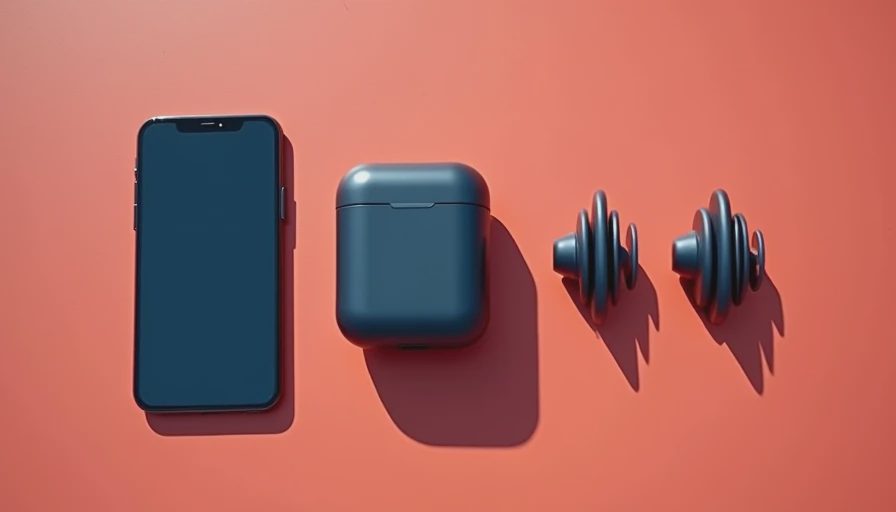
Google, Nothing, and Anker prove value is not one number
Pixel Buds Pro 2 makes the most sense for Google Pixel owners. The integration is clean, the fit is light, and its noise cancellation is competitive for the price. Call performance is solid in normal conditions, though wind can expose the difference between it and premium models. Some features are less useful outside the Pixel ecosystem, so iPhone owners should look elsewhere before spending roughly $200.
Nothing Ear is a strong value option when you want lively sound and a good app without paying flagship prices. Its transparent case design is distinctive, but style does not replace fit; use the ear-tip test before judging the sound. Anker Soundcore Liberty models routinely offer long battery life and aggressive discounts, often landing between $70 and $130. They can sound excellent after equalizer adjustment, but microphone quality and automatic switching are usually where the savings show.
These models demonstrate why price alone cannot identify the best wireless earbuds. A $90 pair that stays comfortable for four hours can be a better buy than a $300 pair that you remove after 45 minutes.
What to check before you buy
Start with your phone. iPhone users should prioritize reliable Apple integration, while Android users should confirm support for their preferred features before ordering. Next, consider your main environment. A runner in a quiet neighborhood does not need the same ANC performance as someone commuting by train. For calls, look for independent microphone tests rather than trusting a box that says “studio quality.”
Check the return policy and test every included tip on the first day. A proper seal improves bass, isolation, and battery efficiency. Look for at least IPX4 water resistance for sweat and light splashes, but do not treat that rating as permission to shower with the earbuds. Also inspect the case hinge, charging contacts, and app permissions. Small details decide whether the product becomes daily gear or ends up in a drawer.
A reasonable budget is $80 to $150 for strong everyday performance and $200 to $300 for premium ANC, ecosystem features, or better call processing. Sales can change those tiers quickly, so compare the current street price rather than the launch price.
My buying advice after the honeymoon period
Buy AirPods Pro 2 for the simplest iPhone experience, Sony WF-1000XM5 for tuning and multipoint, Bose QuietComfort Ultra for the loudest environments, and Pixel Buds Pro 2 for a Pixel-centered setup. Choose Nothing or Anker when value matters more than perfect microphones and seamless switching.
The best wireless earbuds should disappear during normal use: no painful pressure, no random disconnects, no case that refuses to charge one side, and no app that makes you fight for basic settings. Give any candidate at least two weeks, including a long call and a workout, before deciding. I have watched impressive first-day products reveal weak hinges, unreliable sensors, and uncomfortable tips after that window. I tested it. Here’s what actually happened—and that is more useful than another unboxing.



No letters yet — be the first to write.