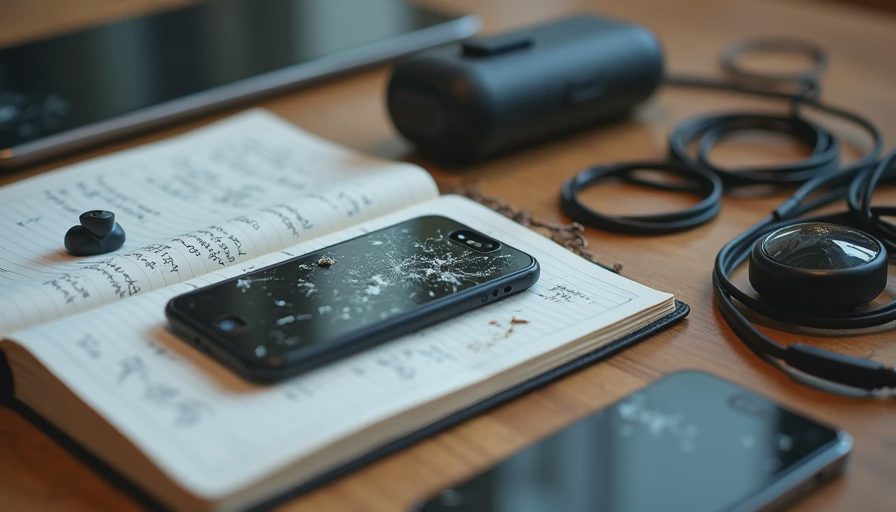
The Log Nobody Wants to Keep
For twelve months I wrote down every time a device in our house was dropped, sat on, stepped on, spilled on, lost, or otherwise defeated by ordinary family life. No special rules. No extra caution beyond normal adult awareness. Just the real baseline of a household with a nine-year-old, a six-year-old, a dog, and two working parents.
The list is not pretty. It is, however, one of the more useful datasets I have collected since leaving the QA lab. Lab drop tests measure controlled failures. A year-long family damage log measures the failures that actually happen.
Spec sheets are free. Truth takes a few weeks—and a full year of sticky fingers and gravity.
The Raw Tally
Over twelve months the household recorded:
14 significant phone or tablet drops onto hard floors
6 cases of a device being sat on or leaned on
4 liquid incidents (water, milk, and one ambitious juice box)
3 complete disappearances that lasted more than 48 hours
2 sets of headphones that failed from cable or hinge stress
1 smartwatch that took a direct hit from a thrown toy
Not every incident caused permanent damage. Enough of them did that patterns became obvious.
What Failed Most Often
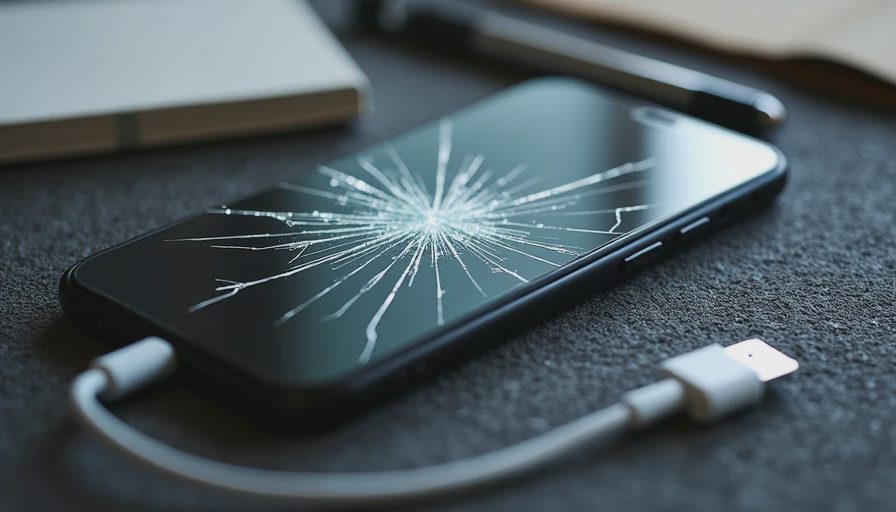
Thin Glass Still Loses
Even inside cases, phones with very thin display glass and minimal bezel protection were the most likely to crack or chip on a standard waist-height drop onto hardwood or tile. Thicker devices with more recessed screens survived the same falls with only scuffs.
Cables and Connectors Are Consumable
The single highest-frequency failure point was cables—frayed ends, intermittent connections, and ports that accumulated enough lint and residue to become unreliable. Wireless charging reduced some of that pain but introduced its own alignment and heat complaints.
Headphones Die from Mechanical Stress, Not Sound Quality
Hinges, cable entry points, and ear-pad attachments failed long before drivers or Bluetooth modules. The pairs that survived the year were the ones designed with fewer moving parts and stronger strain relief.
Small Devices Vanish
Earbuds cases, smartwatches, and slim trackers disappeared more often than larger tablets. The ones that stayed in rotation had brighter colors, louder find-my-device features, or lived in consistent locations.
What Survived Better Than Expected
A couple of mid-range tablets with thick plastic shells and recessed screens took repeated hits and kept working. One older phone in a heavy-duty case absorbed three documented hard drops without glass damage. Simple wired headphones with reinforced cable joints outlasted several wireless “kids” models that looked tougher in product photos.
Survival correlated more with thickness, recessed glass, replaceable parts, and low emotional/financial cost than with premium materials or marketing durability claims.
The Buying Rules That Came Out of the Log
After a year of data, the household rules tightened:
If a device will be used by or near the kids, prioritize thickness and recessed screens over thin-and-light aesthetics.
Treat cables as consumables and keep labeled spares at the charging station.
Prefer headphones with minimal hinges and strong strain relief.
Bright colors and reliable “find my” features are genuine durability features for small items.
The true cost of a device includes the probability and price of the first major repair.
The Quiet Conclusion
Most product reviews end at the controlled drop test or the thirty-day mark. Real family durability shows up in the slow accumulation of ordinary abuse. The devices that lasted were not always the most expensive or the highest-rated. They were the ones whose designers seemed to expect trouble.
I am keeping the log going. The second year will tell whether the new buying rules actually change the failure rate, or whether kids and gravity simply remain undefeated. Early evidence suggests the rules help—but nothing is immortal in a house that contains both a six-year-old and a juice box.

No letters yet — be the first to write.