Buying the best smartphones is not about choosing the phone with the longest spec sheet. It is about finding the device that stays fast, takes dependable photos, lasts through a busy day, and does not become annoying after six months. I spent eight years testing electronics in a corporate quality lab, and I now test phones at home, on the road, and around my family in Reno, Nevada.
My approach is deliberately slower than a launch-day unboxing. I use each phone as my primary device, move between Wi-Fi and cellular networks, shoot photos in bright sun and dim rooms, make long calls, stream video, play games, and repeat the battery test over several days. The best smartphones are the ones that still make sense after the novelty fades.
How I test a phone after the unboxing is over
A phone gets at least two weeks before I form an opinion. During that time, I record screen-on battery time, charging speed, idle drain overnight, heat during gaming, and camera consistency. Screen-on time measures how long the display stays active while you are actually using the phone. It is more useful than a manufacturer battery claim because it reflects navigation, messaging, photos, and video instead of a controlled laboratory loop.
For cameras, I shoot the same set of scenes with every phone: a moving child, a backlit window, a plate of food, a distant sign, and a nighttime street. I compare the original files on a calibrated monitor rather than trusting the phone screen. This exposes aggressive sharpening, fake-looking sky colors, and portrait blur that spills onto hair or glasses.
I also test reception in my house, on mountain roads outside town, and in crowded stores. A fast phone that repeatedly drops calls is not a winner. Spec sheets are free. Truth takes a few weeks.
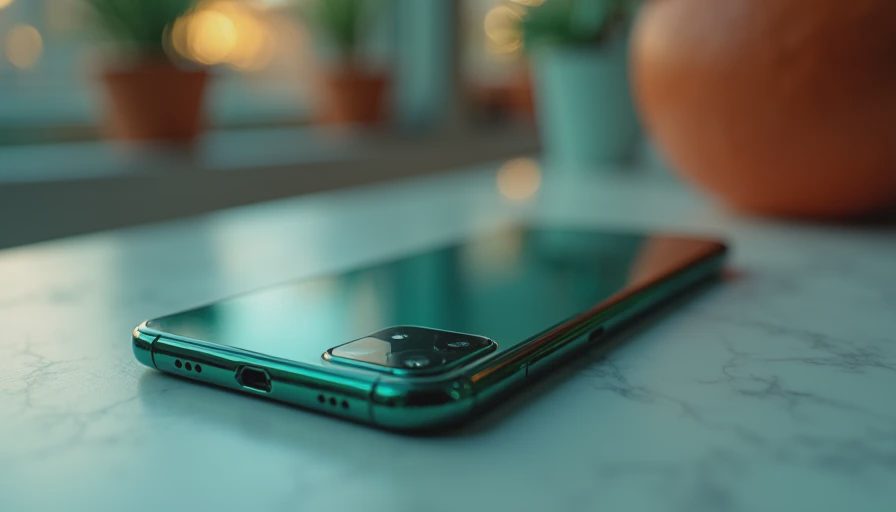
What separates the best smartphones from expensive average ones
The best smartphones usually get several ordinary details right. The vibration motor feels precise instead of rattling. Auto-brightness reacts quickly when you step outdoors. The USB-C port does not disconnect when the cable moves. The fingerprint reader works with a slightly damp thumb. None of these features sells a phone at a keynote, but they shape every day you own it.
The iPhone 15 Pro and newer Pro models remain strong choices for buyers who value video, long software support, and consistent performance across apps. Samsung Galaxy S-series phones are more flexible, with excellent displays, useful multitasking, and cameras that offer plenty of zoom. Google Pixel phones are often compelling for still photography and a clean Android experience, especially when computational processing turns a difficult indoor shot into a usable picture.
That does not mean every flagship deserves its price. Some $1,000 phones include dramatic zoom claims but produce soft, noisy images past their practical range. Others advertise fast charging yet ship with a slow charger or throttle performance when the phone gets hot. I test the behavior, not the marketing sentence.
Battery life, charging, and the two-day fantasy
Battery results depend heavily on signal strength, screen brightness, camera use, and apps running in the background. In my repeatable test, I begin at 100 percent, set the screen near 200 nits, stream video for two hours, navigate for 45 minutes, take 50 photos, make a 30-minute call, and finish with messaging and web browsing. I repeat that routine on both Wi-Fi and cellular service.
A good modern phone should finish a normal workday with roughly 25 to 40 percent remaining. Heavy users who record video, use maps, or play demanding games need more capacity or faster charging. A phone that reaches 50 percent in 20 minutes can be more useful than one with a larger battery that takes two hours to refill.
The best smartphones also control overnight drain. Losing one or two percent while sleeping is excellent; losing eight percent suggests a background app, weak signal, or poor software optimization. I check those causes before blaming the battery itself.
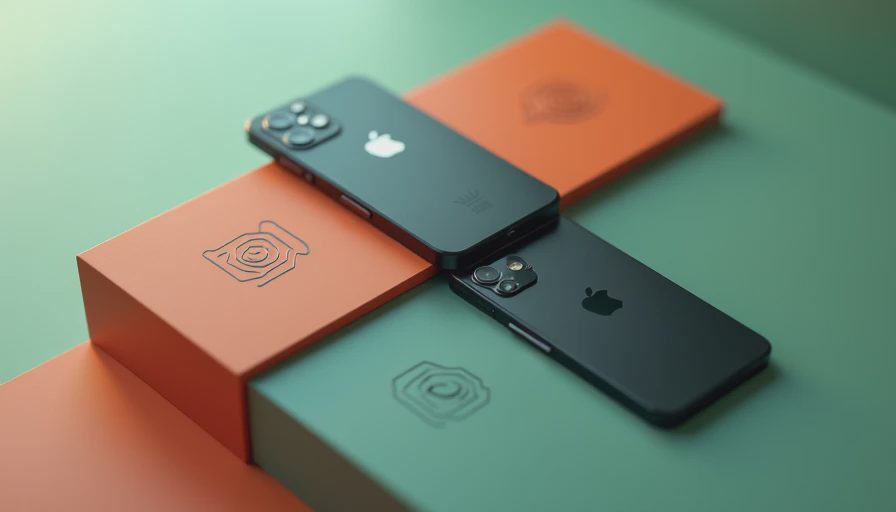
Cameras that work for families, pets, and bad lighting
Camera quality is not just about megapixels. A good camera captures a moving subject without turning hands and faces into blur. It keeps skin tones believable under mixed indoor lighting. It saves an image quickly enough that the second shot is ready when a child turns away. Those are the situations I care about when testing the best smartphones.
Apple tends to deliver dependable video stabilization and natural transitions between lenses. Samsung often gives you more creative control and useful long-range framing. Pixel processing can be excellent when the scene is difficult, although some results look overprocessed if you inspect them closely. The right choice depends on whether you value video, zoom, low-light stills, or simple point-and-shoot reliability.
I also test the front camera for video calls, because a camera that looks good in a carefully lit sample is not necessarily flattering beside a sunny window. Call quality matters too. I make calls from a quiet room, a kitchen with appliances running, and an outdoor location with wind. Microphone performance is part of the camera experience when your phone is also your family’s video-call device.
Software support and durability after the honeymoon
Performance on day one is easy. Staying smooth after months of updates is harder. I pay attention to app reloads, keyboard lag, animation stutters, and storage warnings. A phone with 128GB can work for a light user, but families who record lots of 4K video should seriously consider 256GB. Deleting photos every weekend is not a premium experience.
Software support also affects value. Apple, Google, and Samsung have made long update commitments on recent premium phones, but the exact schedule varies by model. Before buying, confirm how long the specific device receives operating system and security updates. A discounted phone is not a bargain if support ends soon.
For durability, I do not pretend one controlled drop proves toughness. I use a case, carry the phone daily, place it on dusty workbenches, and inspect the port, buttons, camera glass, and finish over time. Water resistance is useful protection against splashes, not a promise that every underwater accident will be covered.
Which phone should you buy?
For the strongest all-around experience, start with a current iPhone Pro, Galaxy S flagship, or Pixel Pro model, then compare camera priorities and price. The best smartphones for most people are not necessarily the most expensive. A standard iPhone, Galaxy S model, or regular Pixel can deliver excellent performance while leaving several hundred dollars for a case, charger, earbuds, or storage.
If you want the lowest sensible price, look at last year’s flagship after a new generation arrives. A phone such as an older iPhone Pro or Galaxy S model can offer better cameras and materials than a new midrange device at a similar sale price. Refurbished buying can also work, but use a seller with a clear return window and battery-health information.
My buying process is simple: choose your operating system, set a hard budget, prioritize battery or camera performance, and then read long-term testing rather than launch impressions. Check the return policy before paying. A phone can be impressive in a review and still feel wrong in your hand.
I will keep updating this guide as phones age, because the first week tells only part of the story. The best smartphones earn that label through reliable performance, useful cameras, sensible battery behavior, and software that does not punish you for keeping a device longer. I tested it. Here is what actually happened.


No letters yet — be the first to write.