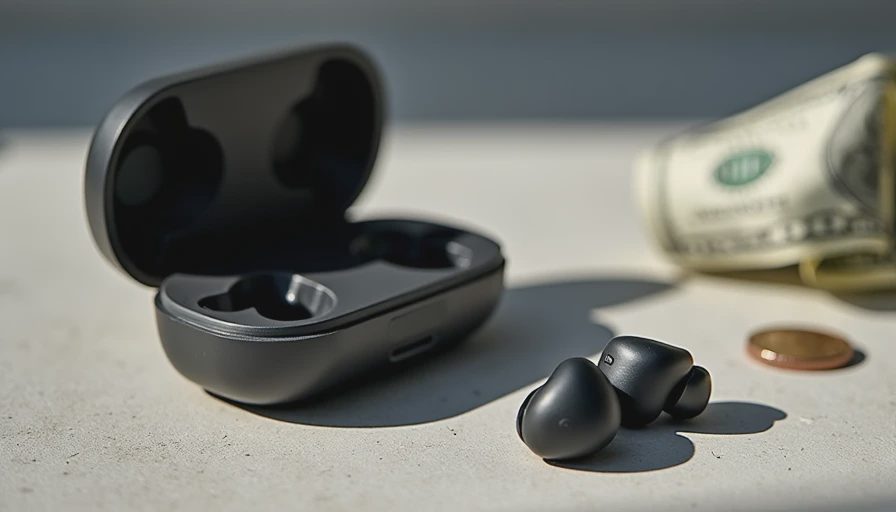
The Price Tag That Shouldn’t Have Won
I bought the $90 earbuds on a whim after the third straight week of watching a flagship pair slip out of my ear during a run. No review unit. No affiliate pre-order. Just a mid-range option that most launch coverage had already ignored. Three weeks later they are still in my daily rotation, and several pairs that cost three times as much are sitting in a drawer.
This is the kind of result that only shows up after the honeymoon. First-week reviews of premium earbuds focus on the frequency graph, the ANC number, and the premium case. They rarely live with the product long enough to notice that the expensive tips still lose seal after twenty minutes of movement, or that the microphone starts to sound muffled once the battery drops below 40 %. The $90 pair simply kept working.
Spec sheets are free. Truth takes a few weeks.
Fit: The Feature That Actually Decides Everything
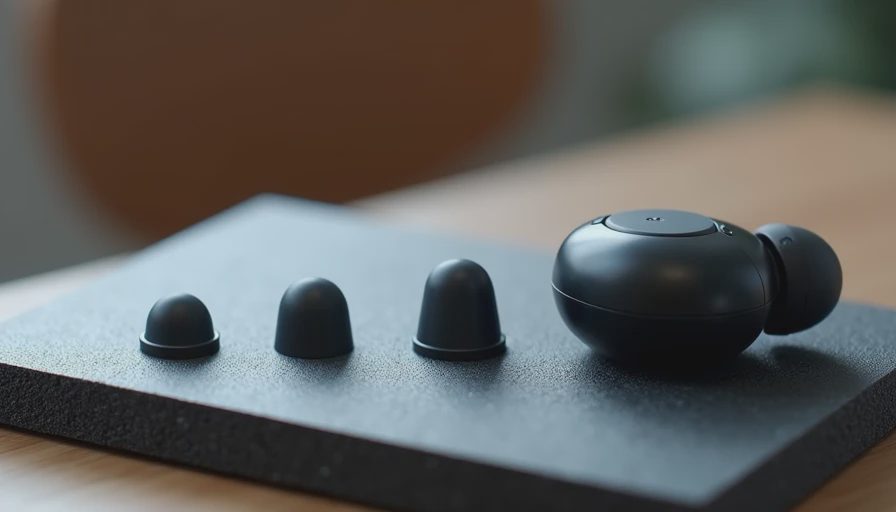
Most of the $300 earbuds I tested this year look elegant and ship with multiple tip sizes. On paper the seal should be excellent. In practice, two of the three premium pairs I wore for comparison started to break seal during normal walking or light exercise by the end of week one. Once the seal goes, both ANC and bass response collapse.
The $90 pair uses a slightly longer stem and a more forgiving tip shape. I still had to try two sizes, but once I found the right one the seal stayed consistent through runs, dog walks, and a full workday. Passive isolation was good enough that I often left ANC off. That single trait—reliable fit over time—outweighed a lot of fancy features the expensive pairs offered on day one and then quietly stopped delivering.
Call Quality: Where the Expensive Ones Faded
Launch reviews of the flagship earbuds mostly praised the microphones. They were tested in quiet rooms or with controlled office noise. After two weeks of real use—walking along a moderately busy street, taking calls in the car, answering while the kids were home—the premium pairs started to sound less consistent. Wind noise handling was uneven. Voices became thinner when the battery was lower.
The $90 earbuds never sounded audiophile-grade on calls, but they stayed intelligible. Background noise reduction was simpler and somehow more predictable. Colleagues stopped asking me to repeat myself. That reliability mattered more than the last 10 % of studio-polished clarity that only appeared under ideal conditions.
Battery and Charging Reality
The flagship pairs advertised impressive total battery life with the case. In daily use the numbers were more ordinary once ANC and the microphones were active. Two of them also developed the habit of draining a few percent overnight in the case if the lid sensors were slightly dirty.
The $90 pair is honest. Roughly 6 hours with ANC on, another 18–20 from the case, and the case itself holds charge without mysterious losses. Wireless charging would have been nice, but the USB-C connection is fast and reliable. After three weeks I trust the battery meter more than I trust the ones on the expensive pairs.
Sound and ANC: Good Enough Beats Flashy
The expensive earbuds still win on pure sound refinement and deeper ANC in a pure airplane-cabin test. I will not pretend otherwise. For the music I actually listen to and the noise I actually encounter, the difference shrank quickly. The $90 pair is tuned a little bass-forward and the treble is not as airy, yet nothing feels missing during podcasts, playlists, or calls. ANC is effective enough for offices, planes, and street noise without the occasional pressure sensation some of the flagships produce.
After three weeks the question stopped being “which sounds more premium in a quiet room” and became “which one do I reach for without thinking.” The cheaper pair won that test.
What This Does Not Mean
It does not mean every $90 pair is secretly better than every flagship. It means the correlation between price and daily satisfaction is weaker than the first-week reviews imply. Fit, microphone consistency, and battery predictability are not glamorous. They are the reasons a product stays in the rotation or ends up in a drawer.
I will keep using these for at least another month and will update if anything degrades. For now, the week-three surprise is simple: the pair that cost the least has been the least annoying.
If you are shopping right now and your budget is flexible, try the expensive ones only after you have checked whether a well-reviewed mid-range option already solves the problems you actually have. The workbench does not care about the price tag. Neither should you.


No letters yet — be the first to write.